
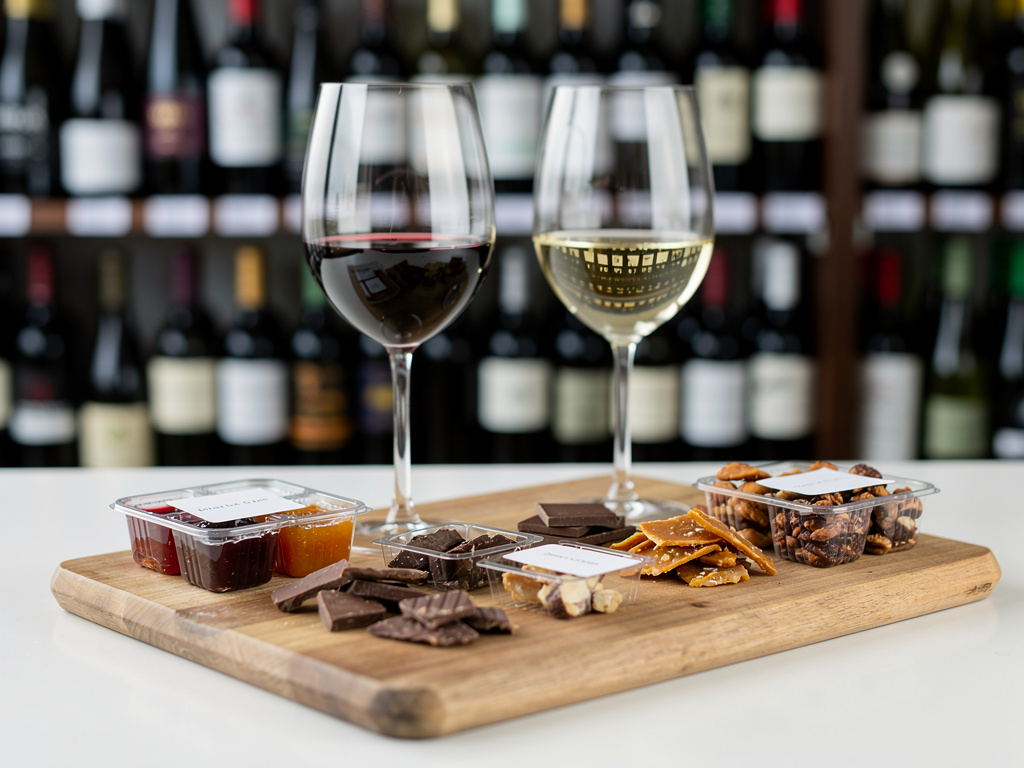


Partnering with a wine shop, cheese shop, coffee roaster, or specialty store for a tasting event is one of the most enjoyable ways a home food vendor can find new customers. Your food pairs with their products, their customers discover you, and both of you draw a crowd for the evening. There's one detail that trips people up, though: sampling cottage food comes with rules, and some states require your samples to be prepackaged. Get the sampling and the structure right, and a tasting event is a warm, high-converting way to sell. This guide walks through how to host a tasting event at a wine shop as a food vendor.
The short version: A tasting event pairs your food with a wine shop or specialty store's products and customers, drawing a crowd for both of you. The key thing to sort first is sampling: cottage food sampling rules vary, and some states, like Florida, require that samples for tasting be prepackaged. You'll typically run it as a direct-sale event where you're present, offering samples per your state's rules and selling your product on the spot. Pair your food thoughtfully to the shop's beverages, pitch the shop on the mutual benefit, and capture a way for new customers to reorder afterward. Homegrown gives you the storefront to take orders at the event and reorders after. This is general information, not legal advice.
This guide covers what a tasting partnership is, the rules for sampling cottage food, structuring the event, pitching the shop, running a great tasting, and mistakes to avoid. This is general information, not legal or food-safety advice.
A tasting event partnership is a collaboration where you offer your food, with samples, at a wine shop or specialty store, pairing it with their products to draw and delight a shared crowd. Both businesses win.
What these partnerships look like:
The takeaway: a tasting partnership pairs your food with a shop's products and audience for a shared, high-converting event. It's one of the warmest ways to grow beyond selling food from home. The rule is to treat it as a partnership that benefits both sides, much like a boutique pop-up or other local cross-promotion.
The rules for sampling cottage food vary by state, and some require samples to be prepackaged, so confirm yours before offering tastes. Sampling is the part most people get wrong.
What to know about sampling:
The takeaway: cottage food sampling rules vary and can require prepackaged samples, so confirm your state's rules and the venue's before the event. The rule is to sort out sampling first, since it's the detail that most often catches vendors off guard, alongside your labeling requirements.
You structure a tasting event as a direct sale where you're present, offering samples per your state's rules and selling your product on the spot, with the venue's permission and any required permits. Direct sale plus compliant sampling is the model.
How to structure it:
The takeaway: structure the tasting as a compliant, direct-sale event where you sample within the rules and sell in person. The rule is to confirm both your state's sampling rules and the venue's requirements before the event, building on the basics of starting a cottage food business.
You pitch a wine shop by leading with the mutual benefit, foot traffic, a fresh event, and products that pair with theirs, then proposing a simple, low-risk evening. A pitch centered on their gain gets a yes.
How to make the pitch:
The takeaway: pitch the shop on mutual benefit and a natural pairing, bring samples, and propose a simple evening. The rule is to center the shop's gain and make the event easy to say yes to.
You run a great tasting with an inviting setup, thoughtful pairings, compliant samples, warm engagement, and an easy way for new customers to reorder. The experience is what converts a taster into a customer.
Here are a few pairing ideas to spark yours:
| Your product | Pairs with | Why it works |
|---|---|---|
| Fruit jam or spread | A crisp white or sparkling wine | Bright acidity and sweetness balance |
| Chocolate or brittle | A bold red or port | Rich flavors complement each other |
| Spiced or candied nuts | Almost any wine, or coffee | Salty-sweet is a crowd-pleaser |
| Savory crackers or cheese straws | A dry red or white | Classic salty-savory pairing |
How to make it shine:
The takeaway: an inviting setup, smart pairings, compliant samples, warm engagement, and a reorder path make a tasting convert. The rule is to make tasting effortless and always capture a way for new customers to reorder.
The biggest mistakes are ignoring your state's sampling rules, pitching all about yourself, weak pairings, and no reorder path. Each is avoidable with preparation.
Mistakes to avoid:
The takeaway: the mistakes that matter most are ignoring sampling rules, a self-centered pitch, weak pairings, and no reorder path, all avoidable with preparation. The rule is to confirm sampling rules, pitch the mutual benefit, pair thoughtfully, and capture every reorder.
A tasting event introduces your food to a whole new crowd, and the payoff is turning those tasters into customers who reorder. That's what a QR code to your Homegrown storefront does.
Homegrown gives you an online storefront that a tasting-event QR code points to, so new customers can reorder your products long after the evening, all for a flat $10 a month with no percentage fees beyond standard payment processing. For a vendor who put in the work to land and run a tasting, every reorder afterward should be yours, not a marketplace's cut. A general website builder wasn't made for taking food orders with pickup and delivery, and losing new fans to scattered DMs wastes the whole event. Homegrown bundles the storefront, order management, and payment into one flat rate, so the crowd a tasting introduces you to becomes repeat revenue. It won't suit everyone, if you do one tasting a year for cash, you may not need a storefront yet, but the moment you want tasting customers to reorder online, a flat monthly rate beats losing a percentage to a marketplace.
Ready to turn tasters into regulars? Set up your Homegrown storefront and bring its QR code to your next tasting.
It depends on your state's rules, which vary. Some states allow free samples for tasting but require them to be prepackaged, as Florida does. Others have different requirements. Confirm your state's cottage food sampling rules and the venue's requirements before the event. Sampling is the detail that most often catches vendors off guard, so sort it out first.
Run it as a direct sale where you're physically present, offering samples in your state's required format and selling your labeled products yourself on the spot. Selling at a temporary event is a recognized cottage food channel in many states. Confirm your state's sampling rules and ask the venue about any requirements or permits for a guest vendor before you commit.
Lead with the mutual benefit: the tasting brings the shop foot traffic, buzz, and a reason for customers to visit, and your food pairs with their wines. Bring samples to the pitch so the owner can taste what you'd offer, propose a simple single evening, and offer to promote the event to your own followers so it's a clear win for the shop.
Shelf-stable cottage foods that complement wine work best: brittle, chocolate, nuts, jams and spreads for crackers, and other gourmet bites. Suggest specific pairings, which cheese-adjacent jam goes with which wine, since a thoughtful pairing sells both your food and the shop's products. Match the pairing to a theme, like a region or season, to give the event an identity.
Yes. Every product you sell needs a complete cottage food label, ingredients, allergens, net weight, your business information, and your state's disclosure, regardless of the sampling format. Sampling rules govern how you offer tastes, but the products you sell always need full labeling, just as they would at any market or event.
Capture a way for them to reorder. A QR code at your tasting table that links to your online store lets new customers buy again after the event, and joint promotion with the shop maximizes turnout. A tasting is one of the highest-converting ways to meet customers, so making it easy for them to reorder is what turns a single evening into lasting revenue.



