
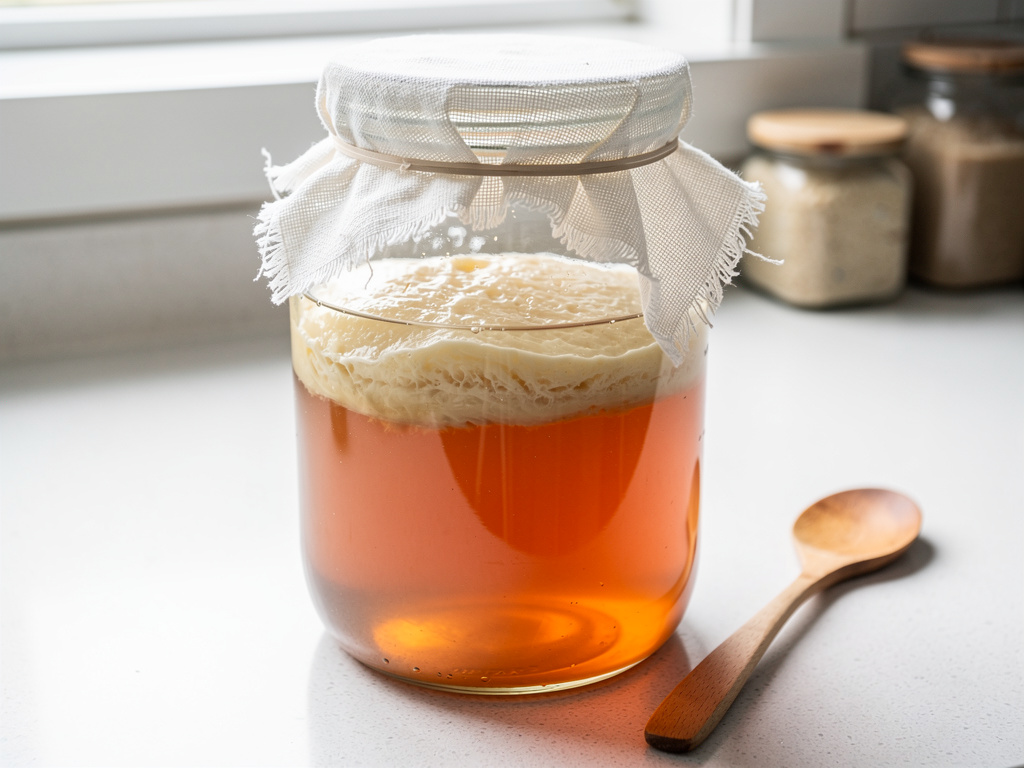


Selling kombucha SCOBYs and starter cultures is one of the smartest ways to turn a home fermentation hobby into income, because you're selling a living ingredient to other brewers rather than a finished, regulated beverage. That distinction matters more than almost anything else: bottled kombucha is an alcohol-and-acidity headache, while a healthy SCOBY with starter liquid is closer to selling a sourdough starter than a drink. This guide walks through selling kombucha cultures from home, the crucial legal difference, keeping cultures safe, pricing, shipping a living thing, and building a real product line.
The short version: A SCOBY (symbiotic culture of bacteria and yeast) plus a cup of mature starter liquid is what a home brewer needs to make their own kombucha. Selling the culture is very different from selling finished kombucha, since bottled kombucha keeps fermenting and typically crosses the 0.5% alcohol threshold that triggers federal alcohol rules and state licensing, while a live culture sold as a brewing ingredient generally sidesteps that. Cottage food rules still vary by state, so confirm yours. Keep cultures contamination-free with proper acidity and clean handling, price a bare culture around $18 to $25 and kits higher, ship the SCOBY sealed with starter liquid and insulation, and build a product line of cultures, kits, and brewing supplies. Homegrown gives you the storefront to sell them, but you handle the culture, the safety, and the shipping.
This guide covers what a culture is, the legal distinction, keeping cultures safe, pricing, shipping, and building a product line. This is general information, not legal advice.
A SCOBY is the rubbery, pancake-like symbiotic culture of bacteria and yeast that forms on fermenting kombucha and gets reused batch after batch, and a starter culture is that SCOBY plus a portion of mature, acidic kombucha liquid that kick-starts a new brew. People buy them because a healthy, clean culture is what makes home kombucha brewing possible and safe.
Who your customers are and why they buy:
That preference for a clean, trustworthy culture is your whole value proposition. The takeaway: you're selling home brewers the safe, healthy starting point their hobby depends on, which is a real and recurring need. The rule is to sell reliability, a clean, vigorous culture, since that's precisely what buyers can't get from a random free SCOBY.
Yes, and this is the most important thing to understand: selling a live SCOBY and starter culture is a very different regulatory situation from selling finished, bottled kombucha, because the finished beverage crosses into alcohol regulation while the culture generally does not. Getting this distinction right is what keeps a culture business simple.
Why the two are worlds apart:
To be clear, that last point is a reasonable reading of how these rules are written, not a blanket guarantee, so confirm your own state. The takeaway: selling the culture sidesteps most of the regulatory weight that lands on finished bottled kombucha, which is exactly why it's an attractive product. The rule is to sell the living ingredient, not the finished alcoholic drink, and keep your business on the simpler side of that line.
Selling a SCOBY and starter culture from home is generally far lower-risk than selling finished kombucha, but cottage food and food-sales rules still vary by state, so you have to confirm your own state allows it. There's no single national answer for whether a live culture falls under your state's cottage food law.
What to check and understand:
The takeaway: the culture is the low-friction way into a kombucha business, but "lower-risk" isn't "no rules," so verify your state before you sell. The rule is to confirm your state's cottage food and food-sales rules first, the same due diligence as any home food business license question.
You keep cultures safe by maintaining proper acidity and scrupulous cleanliness, and by never selling a culture that shows any sign of mold or contamination. Since your entire value is a clean, healthy culture, safety isn't just compliance, it's the product itself.
The core safety practices:
The takeaway: a sellable culture is a clean, properly acidic, mold-free one, and getting there is about disciplined sanitation and acidity control, not luck. The rule is that if a culture shows any sign of mold or contamination, it never gets sold, full stop.
You price SCOBYs and kits by tiering them: a bare culture at the low end, a starter kit with supplies in the middle, and a complete continuous-brew kit at the top, anchored to real market prices. Bundling supplies with the culture is where you add the most value and margin.
Here's a market-anchored pricing picture, based on current prices from culture sellers like Cultures for Health:
| Product | Typical price | What's included |
|---|---|---|
| Bare starter culture | ~$18 to $25 | The SCOBY plus starter liquid |
| Starter kit | ~$35 to $40 | Culture plus jar, cover, and supplies |
| Continuous-brew kit | ~$60 and up | Larger setup with dispenser and full supplies |
How to build your pricing:
The takeaway: sell tiers, not just a bare SCOBY, since kits serve beginners better and carry stronger margins. The rule is to anchor the bare culture to market prices and build value-added kits on top, which is the same logic behind selling sourdough starter kits.
You ship a live SCOBY by sealing it in a food-safe bag with a cup or two of mature starter liquid so it has food for the journey, cushioning it well, and shipping fast enough that it arrives healthy. A culture is a living thing, so packaging is about keeping it alive, not just intact.
How to package and ship a culture:
The takeaway: shipping a culture is about keeping a living organism fed, contained, and moving fast, which is very doable with the right packaging. The rule is to always ship the SCOBY with starter liquid and real cushioning, and to move it quickly so it arrives vigorous, using the same insulated-shipping approach as any perishable.
You build a real business by selling not just bare cultures but starter kits and brewing supplies, and by treating cultures as a recurring purchase your customers will need again. A single SCOBY sale is small, but a product line around brewing turns it into a repeatable business.
How to expand beyond a single culture:
The takeaway: the money is in the product line and the repeat need, not the single SCOBY, so sell kits, supplies, and knowledge together. The rule is to build around the whole brewing journey, since a customer you help succeed comes back for their next culture and supplies.
Once your cultures are healthy and your kits are assembled, you need a clean way to list them, take orders, and get paid, and for a product line of cultures, kits, and supplies that's exactly what a simple storefront gives you. Homegrown is a $10-per-month online storefront, with no percentage fees beyond standard payment processing, where you can sell your SCOBYs, starter kits, and brewing supplies together.
You list each product, bare culture, beginner kit, continuous-brew kit, and add-on supplies, take payment at order time, and fulfill by shipping the live culture or offering local pickup. Because your storefront keeps clean records of what sells, you learn which kits and supplies move, so you stock and grow cultures to match real demand. A flat monthly price also means your margins aren't eaten by per-sale percentage fees stacking up on every culture and kit, the way they would on a general marketplace like Etsy.
To be clear about what Homegrown does not do: it does not grow your cultures, guarantee their safety, package or ship your live SCOBYs, or make your product legal in your state. Those are your craft and your compliance. And because you're selling a brewing ingredient rather than a finished alcoholic beverage, your product fits cleanly as a non-alcoholic culture sale. What Homegrown gives you is the storefront and payments so the selling runs smoothly while you focus on healthy cultures and happy brewers. If your cultures are ready, set up your Homegrown storefront and list your first kit.
Selling a live SCOBY and starter culture is generally far lower-risk than selling finished bottled kombucha, because the culture is a brewing ingredient rather than a ready-to-drink alcoholic beverage, so the alcohol, pasteurization, and bottling rules that govern the finished drink generally don't apply to it. However, cottage food and food-sales laws still vary by state, and whether a live culture falls under your state's rules is state-specific. Confirm with your state agriculture or health department before you sell, rather than assuming a blanket green light.
You can, but it's much more regulated. Kombucha keeps fermenting and typically crosses 0.5 percent alcohol by volume, the threshold that makes it a federally regulated alcoholic beverage, and selling the bottled drink can require state food-processing licensing, refrigeration, and specific warning labels. Some states require producers to test and control alcohol content and hold a processing license. Selling the live culture instead sidesteps most of that weight, since you're providing an ingredient for the buyer to ferment at home, not a finished alcoholic product, which is why cultures are the simpler business.
A sellable SCOBY is clean, healthy, and properly acidic, with no mold or unusual contamination of any kind. Maintain proper low acidity, a pH at or below roughly 4.6 is treated as the non-hazardous threshold, since acidity is what suppresses harmful microbes. Use a known-clean culture to propagate from, sanitize your hands and equipment, and watch your cultures as they grow. If a culture ever shows mold, an off smell, or anything unusual, discard it and never sell or reuse it. Your entire product is a clean, reliable culture.
A bare starter culture commonly sells for around $18 to $25, a starter kit with a jar, cover, and supplies for roughly $35 to $40, and a full continuous-brew kit for $60 and up, based on prices from established culture sellers. Anchor your bare-culture price to that market range, then build value-added kits that bundle brewing supplies for higher prices and margins. Account for your real costs too, the tea, sugar, time, and attention that growing healthy cultures takes, rather than treating the SCOBY as free.
Seal the SCOBY in a sturdy, food-safe bag with one to two cups of mature kombucha starter liquid so it stays nourished and acidic during the trip, then cushion the bag well to prevent leaks and breakage. Ship quickly, such as priority two-to-three-day service, to limit time in transit and temperature extremes. Live cultures are considered perishable matter, which carriers allow when properly packaged and delivered promptly, so package to that standard. Including clear "what to do when it arrives" instructions helps the customer revive and use the culture successfully.
Yes, if you sell a product line rather than a single SCOBY. Offer tiered options, a bare culture, a beginner starter kit, and a full continuous-brew setup, and add brewing supplies like jars, breathable covers, pH strips, and tea-and-sugar packs. Because cultures periodically die, get contaminated, or weaken, brewers need fresh ones over time, which makes cultures a recurring purchase. Pair every sale with clear brewing and safety instructions, since customers you help succeed come back for their next culture and supplies, turning one-time buyers into repeat business.
Selling kombucha cultures is a genuinely clever home food business: real demand, recurring need, and a product that sidesteps the alcohol regulation that makes finished kombucha such a hassle. Keep your cultures clean and acidic, price in tiers, ship them alive, and build a product line around the whole brewing journey. Start your Homegrown storefront and sell your cultures, kits, and supplies in one place.



