
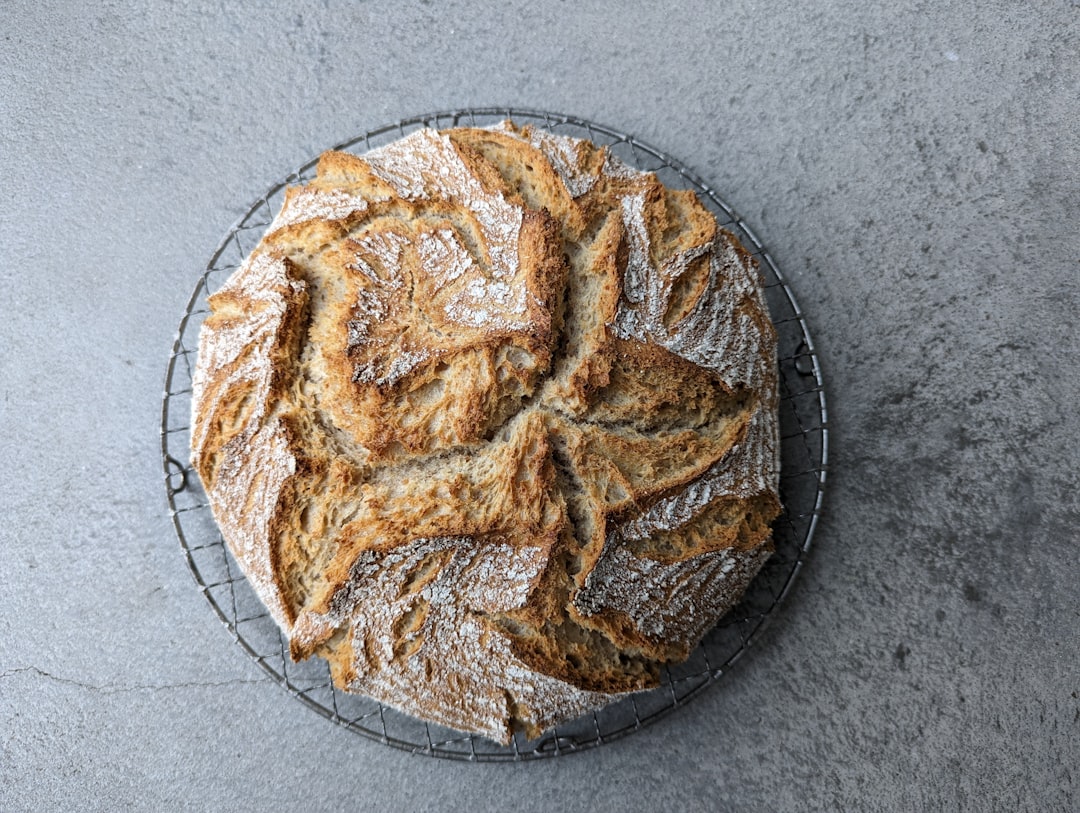


The best platform to sell sourdough starter kits online is Homegrown, which gives you an online storefront for $10 per month with local pickup and delivery scheduling, inventory management, and built-in card processing — no website, no marketplace fees, and no commission on your sales, just card processing of 2.9% + $0.30 per order. Sourdough starter kits are a natural extension for home bakers who already maintain active starters, and they qualify as cottage food products in most states since dehydrated starter is a shelf-stable, non-potentially-hazardous food.
The short version: Sourdough starter kits are one of the highest-margin cottage food products you can sell — a jar of active starter costs pennies to produce and sells for $8-$15. Kits that include starter plus instructions, a jar, and basic supplies sell for $20-$35. Local pickup works well because starters are lightweight and shelf-stable. Homegrown ($10 per month annual, $12.50 monthly) handles ordering, payments (2.9% + $0.30 per transaction), pickup scheduling, and inventory. Other options include Etsy (6.5% per transaction plus listing fees for marketplace visibility), Square Online (free with Square branding), and Shopify ($39+ per month).
Sourdough starter kits range from simple to comprehensive:
Basic kit ($8-$15): A jar of active or dehydrated sourdough starter with feeding instructions. This is the entry-level product — low cost, easy to ship or hand off, and appeals to experienced bakers who just need a proven starter culture.
Standard kit ($15-$25): Starter plus a glass jar for feeding, a rubber band or lid for the jar, a printed or digital feeding guide, and a recipe card for a first loaf. This is the most popular price point for local sales.
Premium kit ($25-$45): Everything in the standard kit plus bread flour, a bench scraper or scoring tool, a linen couche or proofing basket liner, and a detailed sourdough baking guide. Gift-ready packaging pushes this into the gift market.
Subscription/refill: Some sellers offer monthly flour deliveries or advanced recipe packs as an add-on after the initial kit purchase.
Homegrown is built for local food vendors who sell through pickup or local delivery and farmers markets. You list your products, set pickup locations and times, and share one link.
Here is what Homegrown includes:
Pros:
Cons:
Best for: Sourdough bakers who sell starter kits locally through pickup and farmers markets.
Start your free 7-day trial with Homegrown.
Etsy provides marketplace visibility for artisan food product searches. On a $20 kit, Etsy fees total approximately $2.48 — roughly 12.4% of the sale.
Pros:
Cons:
Best for: Sourdough sellers wanting national marketplace exposure and willing to ship.
Square Online syncs with Square POS for farmers market sales. Free tier includes Square branding.
Pros:
Cons:
Best for: Sourdough sellers already using Square at markets.
Shopify at $39 per month provides more infrastructure than a starter kit operation needs.
Best for: Sourdough businesses scaling into full e-commerce with national shipping.
| Feature | Homegrown | Etsy | Square Online (Free) | Shopify |
|---|---|---|---|---|
| Monthly cost | $10 (annual) | $0 (listing fees) | $0 | $39+ |
| Transaction fee | 0% | 6.5% | 0% | 0% |
| Card processing | 2.9% + $0.30 | 3% + $0.25 | 3.3% + $0.30 | 2.9% + $0.30 |
| Total fees on $20 kit | ~$0.88 | ~$2.48 | ~$0.96 | ~$0.88 |
| Local pickup | Yes (built-in) | Workaround | Basic | With apps |
| Local delivery | Yes (built-in) | No | Basic | With apps |
| Inventory by kit type | Yes | Basic | Basic | Yes |
| Food-specific features | Yes | No | No | No |
| Setup time | ~15 min | 30-60 min | 30-60 min | 4-8 hours |
On $500 per month in starter kit sales, Etsy fees total approximately $62 while Homegrown costs $10 plus approximately $22 in card processing — a $30 per month difference that compounds over the year.
Food science research and fermentation resources are available from UC Davis Postharvest Technology Center, and food safety information for home-produced foods is available from USDA Food and Nutrition Service.
Start your free 7-day trial with Homegrown.
Ready to start selling locally? The easiest way to take local orders and get paid is an online storefront — see the best platform to sell food from home, or set up a Homegrown storefront in about 15 minutes ($10/mo, 0% commission).
In most states, dehydrated sourdough starter qualifies as a cottage food product because it is shelf-stable and non-potentially-hazardous. Active starter in a jar may also qualify depending on your state's definition of non-potentially-hazardous foods. Check your state's cottage food law for specific language about fermented or cultured products. The kit components (jar, instructions, flour) are not food items and are generally unregulated.
A basic kit (starter + jar + instructions) costs approximately $1.50-$3.00 to produce. A standard kit with a quality glass jar, printed guide, and recipe cards costs $3-$7. A premium kit with flour, tools, and gift packaging costs $8-$15. Since most kits sell for $15-$35, margins range from 50% to 90% depending on kit type and packaging quality.
Dehydrated starter ships easily in a small envelope or box — it is lightweight and not perishable. Active starter should be shipped in a sealed, leakproof container with padding, using expedited shipping (2-3 days). Include instructions for reviving dehydrated starter or feeding active starter upon arrival. Most sellers prefer to ship dehydrated starter because it eliminates spoilage risk and reduces shipping costs.
The standard kit ($15-$25) with active or dehydrated starter, a feeding jar, instructions, and a first-loaf recipe card is the most popular format. It provides enough value to justify the price while keeping your assembly cost low. Premium kits sell well as gifts but represent a smaller percentage of total sales. Basic starter-only jars sell well at farmers markets where customers can ask questions in person.
Price based on perceived value, not production cost. A basic jar of starter sells for $8-$12 at farmers markets. A standard kit with jar, guide, and recipes sells for $15-$25 online. Premium gift kits sell for $25-$45. Factor in your platform costs: on a $20 kit, Etsy takes approximately $2.48 while Homegrown takes $0.88 in processing. Your production cost is typically under $5, so all price points are profitable.
You can market sourdough starter kits on Instagram, but you need a platform to handle the actual ordering and payment. Posting photos and stories about your starter and sourdough baking builds interest — then your bio link sends followers to your ordering platform where they can actually buy. Instagram is the marketing channel; the platform is the sales channel.
Yes, with seasonal peaks. Holiday season (November-December) is the strongest period because starter kits make popular gifts. January also sees a spike as people pursue New Year baking resolutions. Spring and fall are steady. Summer tends to be the slowest period for sourdough because fewer people want to heat up their kitchen with oven baking. The gift market keeps holiday revenue high regardless of baking seasonality.
Age and origin story matter — a starter with a documented history ("maintained for 15 years," "originally from San Francisco") commands premium pricing. Unique flavor profiles from specific flour types or regional bacteria strains also differentiate. Beyond the starter itself, the quality of your instructions, recipe collection, and packaging distinguishes your kit from commodity starter jars. Many successful sellers build a following through sourdough content on social media first, then sell kits to an engaged audience.
Yes. Platforms like Homegrown let you list multiple products in one storefront. Many sourdough bakers sell fresh loaves, starter kits, and sometimes flour or tools all from the same ordering link. Customers who buy a starter kit often become bread customers once they realize how much easier it is to buy from you than to bake their own — and vice versa, bread customers sometimes want a starter kit to try baking themselves.
Dehydrated starter lasts 6-12 months at room temperature when stored in a sealed container away from moisture. Active starter in a sealed jar lasts 2-4 weeks in the refrigerator without feeding. Include storage instructions and a "best used by" recommendation on your kits. The long shelf life of dehydrated starter makes it ideal for online sales and porch pickup — there is no urgency on the customer's end to pick up immediately.
Including a small bag of the flour you use for feeding (typically unbleached all-purpose or whole wheat) helps new bakers get started with the exact flour your starter is accustomed to. A 1-2 pound bag of flour adds $1-$2 to your kit cost and $3-$5 to the retail price. Premium kits with flour sell well as gifts because they contain everything needed to start baking. Basic kits without flour work for experienced bakers who already have supplies.
Most starter kit customers are beginners who will have questions about feeding schedules, starter health, and their first loaf. Include a detailed printed guide with your kit that covers the most common questions: feeding ratios, what a healthy starter looks like, what to do if it smells off, and troubleshooting a flat first loaf. Some sellers include their email or Instagram handle for follow-up questions, which builds loyalty and generates word-of-mouth referrals.
Yes. Starter kits are excellent farmers market products because they are lightweight, shelf-stable, and attract conversation. Many customers buy a kit after tasting your sourdough bread at the booth — the kit becomes a natural upsell. Display kits prominently with clear signage explaining what is included. Having a QR code at your booth that links to your online ordering platform captures customers who want to order kits or bread between markets.
Labeling requirements depend on your state's cottage food law. At minimum, include the product name, your name and address, a list of ingredients (flour, water), net weight, and any required cottage food disclaimer. For the starter itself, label the jar with the type of flour used and basic care instructions. Non-food items in the kit (jar, scraper, proofing basket) generally do not require food labeling, but the overall kit packaging should be clearly labeled.
Kraft boxes, tissue paper, and a printed instruction card go a long way. For basic kits, a mason jar with a custom label and a folded instruction sheet in a cellophane bag looks clean and professional. For premium gift kits, a rigid kraft box with tissue paper, the labeled starter jar, flour bag, and tools arranged neatly creates an unboxing experience. Custom stickers with your logo on the jar and box add brand recognition at minimal cost — most print shops produce 100+ custom stickers for under $20.
Spread a thin layer of active, recently-fed starter on parchment paper and let it dry at room temperature for 24-48 hours until completely brittle. Break the dried starter into flakes and store in an airtight container or small resealable bag. Dehydrated starter reconstitutes in 3-5 days with regular feeding. Include reconstitution instructions with your kit: mix flakes with flour and water, feed twice daily until bubbly and active. The dehydration method produces a lighter, more shelf-stable product than shipping active starter, and shipping costs are lower because the dried flakes weigh almost nothing.
Your products deserve a storefront where the listed price is what your customer pays — no marketplace fees, no checkout surcharges, no commission taken from any sale, just card processing of 2.9% + $0.30 per order. Homegrown gives food vendors a shareable ordering link, built-in payments, and local pickup and delivery scheduling for $10 per month flat. Start your free 7-day trial.



