
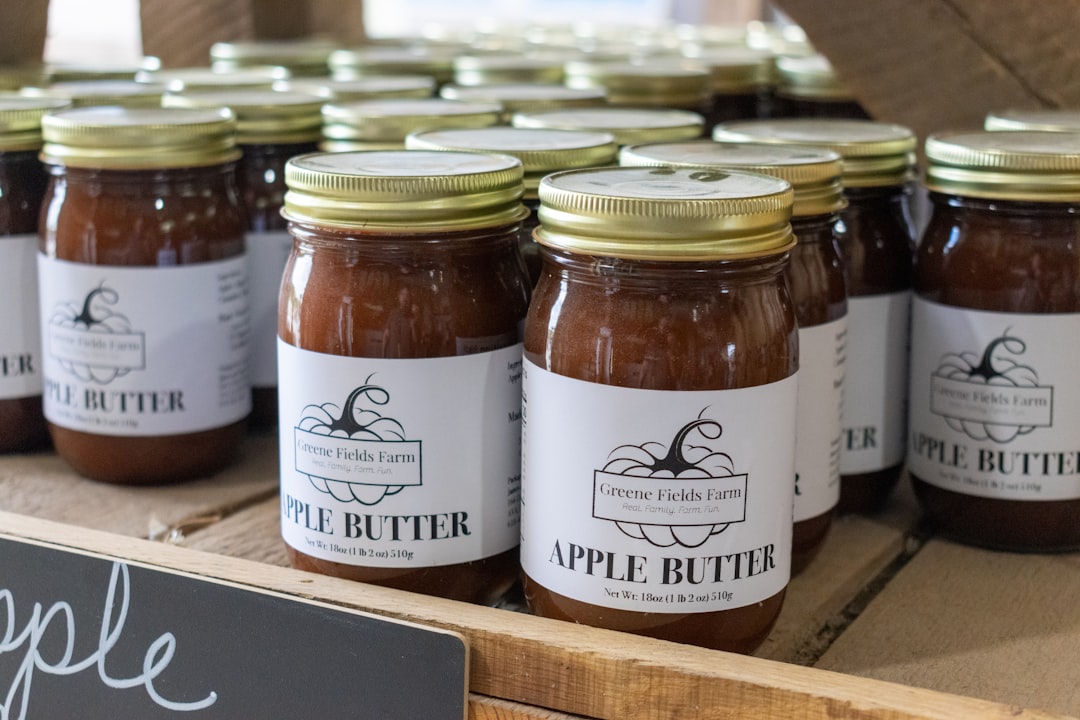


Fruit butters — apple butter, pear butter, peach butter — are some of the most beloved products at farmers markets. They evoke fall, comfort, and homemade quality in a way that few other products can. But selling fruit butter from home is more complicated than selling jam or jelly, and one popular variety (pumpkin butter) has a food safety issue most home producers do not know about.
This guide covers the legal landscape, which fruit butters are safe to make and sell, production techniques, pricing, and where to sell locally.
The short version: Fruit butters are allowed under cottage food laws in some states but restricted in others because they contain less sugar than jam, which changes the food safety equation. Apple butter and pear butter have tested, safe canning recipes and are your best starting options. Pumpkin butter has no safe canning recipe and must be sold refrigerated or frozen. A bushel of apples costs $15 to $30 and yields 24 to 32 jars that sell for $6 to $8 each, giving you 60 to 75 percent margins. Fall and holiday markets are prime selling season.
This is where fruit butters diverge from jams and jellies. Many states allow jam and jelly under cottage food but restrict or prohibit fruit butters.
The Georgia Department of Agriculture's cottage food FAQ explains the distinction clearly. Fruit butters have significantly less sugar than traditional jam or jelly. It is the combination of acid, sugar, pectin, and heat that makes jams and jellies safe. With fruit butters, the lower sugar and pectin content may not be sufficient to prevent the growth of spoilage organisms and Clostridium botulinum.
In practical terms, jams typically contain about equal parts fruit and sugar, while fruit butters use far less sugar — sometimes as little as one-quarter cup of sugar per cup of fruit pulp. That lower sugar level changes the food safety equation.
States handle fruit butters in three general ways.
Contact your state department of agriculture before producing fruit butter for sale. Ask specifically about fruit butters, not just "jams and preserves," since they are often treated differently.
Not all fruit butters are created equal from a food safety perspective. The critical distinction is whether a tested, science-based canning recipe exists for that particular fruit.
| Fruit Butter | Safe Recipe Exists? | Canning Method | Shelf Life (Canned) |
|---|---|---|---|
| Apple butter | Yes | Boiling water bath | 12-18 months |
| Pear butter | Yes | Boiling water bath | 12-18 months |
| Peach butter | Yes | Boiling water bath | 12-18 months |
| Grape butter | Yes | Boiling water bath | 12-18 months |
| Plum butter | Yes | Boiling water bath | 12-18 months |
| Fruit Butter | Why | Alternative |
|---|---|---|
| Pumpkin butter | No tested recipe exists; too low in acid | Sell frozen or refrigerated only |
| Mango butter | No tested recipe exists | Sell frozen or refrigerated only |
| Fig butter | No tested recipe exists | Sell frozen or refrigerated only |
| Melon butter | No tested recipe exists | Sell frozen or refrigerated only |
As Oregon State Extension's fruit butters guide notes, "there are no safe research-based recipes for canning butters made from Asian pears, figs, pumpkin, melons, or mangos." If you want to sell pumpkin butter, you must keep it refrigerated or frozen — you cannot can it and sell it at room temperature.
"Apple butter is the safest and most popular fruit butter to sell from home. If you are new to fruit butters, start there."
Fruit butter production is straightforward but requires patience. The slow cooking process is what develops the rich, concentrated flavor that customers love.
| Item | Cost Range | Notes |
|---|---|---|
| Large stock pot (8-12 quart) or slow cooker | $30 - $80 | Heavy bottom prevents scorching |
| Food mill or strainer | $25 - $50 | For smooth, seed-free pulp |
| Canning supplies (jars, lids, rack, pot) | $50 - $100 | Basic water bath setup |
| Jar lifter and canning funnel | $15 - $25 | Essential safety tools |
| pH meter (if required by state) | $30 - $80 | For verifying acidity |
| Labels and printer | $30 - $50 | Required for legal sales |
| Total startup | $180 - $385 |
Fruit butters command premium pricing because of the slow-cooking process and the association with artisan, homemade quality.
| Size | Suggested Price | Your Cost | Margin |
|---|---|---|---|
| 4 oz (sample/gift) | $4 - $5 | $1.00 - $1.50 | 67-75% |
| 8 oz (half pint) | $6 - $8 | $1.75 - $2.50 | 65-71% |
| 16 oz (pint) | $9 - $12 | $2.50 - $4.00 | 63-72% |
For a typical batch using one bushel of apples (about 40 pounds).
One bushel of apples yields approximately 14 to 16 pints (or 24 to 32 half-pints) of apple butter. That math makes fruit butter a solid margin product, especially when you can source apples cheaply in the fall. For apple butter on its own, our apple butter pricing guide costs a half-pint at about $2.10 with pick-your-own orchard apples bought by the full bushel at $1.50 a pound, from the tested recipe's yield and store prices checked in October 2026.
| Variety | Season | Popularity | Notes |
|---|---|---|---|
| Classic apple butter | Fall | Very high | Cinnamon, cloves, allspice — the standard |
| Spiced apple butter | Fall | Very high | Extra cinnamon and ginger kick |
| Pear butter | Fall | High | Lighter, more delicate flavor |
| Peach butter | Summer | High | Southern favorite, sell at summer markets |
| Apple-pear blend | Fall | Moderate | Unique twist on classic |
| Sugar-free apple butter | Year-round | Moderate | Health-conscious customers, use apple juice |
Start with classic apple butter and one variation. Add more flavors as you learn what your customers respond to.
Fruit butters sell particularly well through channels that value artisan, handmade, and seasonal products.
Fruit butters are a fall farmers market staple. Display them alongside fresh apples, pears, or other seasonal products for a complete story. Offer samples on small crackers or bread — the taste sells itself. If you already sell jam or preserves, read our guide on how to sell jam and preserves from home for display and sales strategies that apply to fruit butters too.
Fruit butters are natural gift products. Package them in gift sets with ribbon or in baskets with crackers and cheese. Holiday markets in November and December are peak season for fruit butter sales.
Apple season hits and suddenly everyone wants your apple butter — but you need to know how many bushels to buy before you start the three-hour cook. Pre-orders solve this, and the question is how you collect them. Instagram DMs get buried under 40 messages from people who all want "the usual" without specifying which flavor or how many jars. Etsy takes 6.5% of every sale and is built for year-round shipping — not a seasonal producer who sells 200 jars in October and goes quiet until next fall. Homegrown is $10/month with no commission, plus card processing of 2.9% + $0.30 per order. List your apple, pear, and spiced varieties with jar sizes and photos, set a cutoff so you know how many bushels to buy, and share the link at the market or to your email list when the new batch drops. Customers pick flavors, pick quantities, and pay before you peel a single apple. It won't build you a website or handle wholesale orders to farm stands — but for capturing your September-through-December rush from regulars who want to guarantee they get their jars before you sell out, it turns apple season into a pre-sold production run.
Loyal customers will reorder every fall. Email past buyers when your new batch is ready with a link to your ordering page — most will reorder without hesitation.
For more on the cottage food business setup process, check out how to start a cottage food business. And for adding online ordering to your market presence, read how to add online ordering to your existing market business.
Ready to turn this into a real business? The easiest way to take local orders and get paid is an online storefront — see the best platform to sell food from home, or set up a Homegrown storefront in about 15 minutes ($10/mo, 0% commission).
You can make and sell pumpkin butter, but you cannot can it for shelf-stable storage. No tested, safe canning recipe exists for pumpkin butter because pumpkin is too low in acid. You must sell it refrigerated or frozen, which limits your sales channels and shelf life.
No. Apple butter is cooked much longer than applesauce — typically 2 to 10 hours — until the sugars caramelize and the product becomes thick, dark, and concentrated. Applesauce is lighter in color, thinner, and less intensely flavored.
Properly canned fruit butter lasts 12 to 18 months in a sealed jar. Once opened, refrigerate and use within 2 to 3 weeks. Uncanned fruit butter (like pumpkin butter) must be refrigerated and used within 1 to 2 weeks, or frozen for up to 6 months.
The basic equipment is minimal — a large pot, food mill or strainer, and standard canning supplies (jars, lids, water bath canner). Total equipment cost is $180 to $385. A slow cooker is helpful for the long cooking process.
Yes. Apple butter can be made with just apples, apple juice, and spices. The natural sugars in the fruit provide sweetness. Sugar-free versions appeal to health-conscious customers and can command slightly higher prices. Follow a tested sugar-free recipe to ensure food safety.
Use a mix of sweet and tart varieties. Jonathan, Fuji, Gala, and Golden Delicious are popular choices. Mixing two or three varieties creates a more complex flavor. Avoid Red Delicious — they do not cook down well and produce bland butter.
One bushel of apples (about 40 pounds) yields approximately 14 to 16 pints of apple butter, or 24 to 32 half-pint jars. This is enough for a full farmers market display.



