
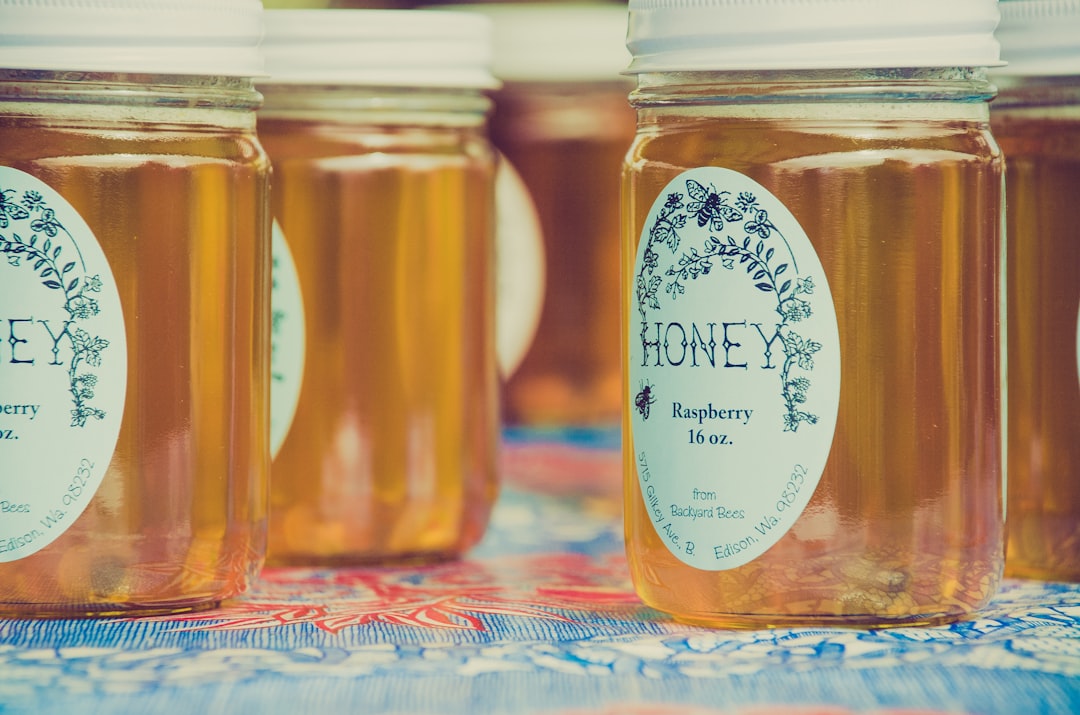


If you already sell raw honey, you are sitting on one of the easiest value-added upgrades in the cottage food world. Whipped honey — also called creamed honey, spun honey, or churned honey — takes a $12 jar of liquid honey and turns it into a $15 to $18 jar of spreadable, luxurious-feeling product that customers love. Add a flavor like cinnamon, vanilla, or lavender, and that jar sells for $18 to $22.
The process is simple. You mix a small amount of already-crystallized honey (called "seed honey") into liquid honey, then let it sit at a controlled temperature for 1 to 2 weeks. The seed honey controls the crystal size, resulting in a smooth, butter-like texture instead of the grainy crystallization that happens naturally.
This guide covers everything you need to start selling whipped honey and creamed honey from home: the production process, flavoring options, legal requirements, labeling, pricing, packaging, and where to find customers.
The short version: Whipped honey (creamed honey) is raw honey with controlled crystallization that creates a smooth, spreadable texture. You can sell it from home in most states under the same rules as raw honey — either as a raw agricultural product or under cottage food laws, depending on your state. A jar costs $3 to $5 to produce and sells for $12 to $22 depending on size and flavor. The production process takes 10 to 14 days but requires only 15 to 20 minutes of active work per batch.
Whipped honey and creamed honey are the same product. The different names are regional and marketing variations:
All of these describe honey that has undergone controlled crystallization to produce a smooth, spreadable texture. The honey is not actually whipped with air like whipped cream — the name "whipped" refers to the smooth, creamy result.
Why customers prefer it over liquid honey:
The Dyce method is the standard process, named after the Cornell professor who developed it in the 1930s. It works by introducing tiny, uniform crystals into liquid honey, which then serve as a template for the entire batch to crystallize smoothly.
Batch size tip: Start with 20 to 30 pounds per batch. This fills 15 to 25 jars (depending on jar size) and is manageable in a home kitchen. As demand grows, scale up to 50 to 100 pound batches.
Flavored whipped honey is where the real margin expansion happens. Plain creamed honey sells for $12 to $15 per jar. Add cinnamon, and it sells for $15 to $18. Add lavender or vanilla bean, and it commands $18 to $22.
| Flavor | How to Add | Cost per Jar |
|---|---|---|
| Cinnamon | Ground cinnamon, 1 tsp per pound | $0.05-$0.10 |
| Vanilla bean | Vanilla bean paste, 0.5 tsp per pound | $0.30-$0.50 |
| Lavender | Dried culinary lavender buds, 1 tbsp per pound | $0.15-$0.25 |
| Hot honey | Red pepper flakes or cayenne, 0.25 tsp per pound | $0.05-$0.10 |
| Lemon | Lemon zest (dried), 1 tsp per pound | $0.10-$0.15 |
| Bourbon | Bourbon extract, 0.5 tsp per pound | $0.20-$0.30 |
| Turmeric & ginger | Ground turmeric + ginger, 0.5 tsp each per pound | $0.10-$0.15 |
When to add flavors: Mix flavors into the honey at the same time you add the seed honey (Step 2). This ensures even distribution throughout the jar.
Flavor strategy: Start with 3 to 4 flavors plus plain. Cinnamon, vanilla, and hot honey cover the widest range of customer preferences. Add seasonal flavors (pumpkin spice in fall, peppermint in winter) to drive repeat purchases.
In most states, yes — but the legal classification depends on how your state categorizes honey and whether you add flavors.
Plain creamed honey (no added ingredients beyond seed honey) is typically classified the same as raw honey. In many states, raw honey is exempt from cottage food laws entirely because it is considered a raw agricultural product. This means you may not even need a cottage food registration — just standard honey labeling.
The University of Florida's guide to bottling and selling honey explains that in Florida, beekeepers can sell honey under the cottage food exemption with sales up to $250,000 per year, as long as they follow labeling requirements.
Adding flavors (cinnamon, vanilla, lavender) turns your honey from a raw agricultural product into a processed food product. This typically means it falls under cottage food laws, which may require:
The Mississippi State University Extension's honey labeling guide outlines typical labeling requirements:
Whipped honey is a premium product. Price it higher than your liquid honey to reflect the additional processing time and perceived value.
| Product | Jar Size | Production Cost | Retail Price | Margin |
|---|---|---|---|---|
| Plain creamed honey | 8 oz | $2.50-$3.50 | $10-$13 | 73-77% |
| Plain creamed honey | 12 oz | $3.50-$5.00 | $14-$17 | 71-76% |
| Flavored whipped honey | 8 oz | $3.00-$4.00 | $13-$16 | 75-77% |
| Flavored whipped honey | 12 oz | $4.00-$5.50 | $16-$22 | 75-78% |
| Gift set (3 jars, mixed flavors) | 3 x 4 oz | $5.00-$7.00 | $28-$35 | 80-82% |
Key pricing insight: Gift sets are the highest-margin product. A set of three 4-ounce jars in different flavors costs $5 to $7 to produce and sells for $28 to $35 — and they practically sell themselves during holiday markets, Mother's Day, and Valentine's Day.
Do not price below your liquid honey. Whipped honey should always cost more per ounce than your regular honey because it requires additional processing time. If your 12 oz liquid honey sells for $12, your 12 oz creamed honey should be $15 or more.
Avoid squeeze bottles. Whipped honey is too thick for squeeze bottles. Use wide-mouth jars that customers can scoop from with a spoon or honey dipper.
Invest in quality labels. Whipped honey is a premium product and the label should match. A professional-looking label with your farm name, the flavor, and clean design justifies the premium price.
Print labels on waterproof stock — honey jars get sticky, and paper labels deteriorate quickly.
Whipped honey is a star product at farmers markets. Set up a tasting station with small spoons (where your market allows sampling). Let customers taste plain, then cinnamon, then hot honey. Most people who taste it buy at least one jar.
Display tip: Show all your flavors in a row with clear labels. The visual variety (golden plain, amber cinnamon, speckled lavender) draws people to your booth.
Whipped honey ships well because it does not leak or crystallize unpredictably. It does soften in heat, so a jar left in a hot car or on a sunny table can loosen and separate, and how long whipped and creamed honey last lays out the storage temperatures that keep it spreadable. But for local vendors, online pre-orders for market pickup are the easiest path to consistent sales. Customers order their favorite flavors ahead of time, and you bring their jars to the market.
Whipped honey is one of the easiest products to sell through pre-orders because customers reorder the same flavors every week. An Etsy shop takes 6.5% per sale and is designed for shipping — your regulars do not want to pay $12 shipping on a $15 jar they could pick up Saturday. Instagram DMs work until you have 8 people all ordering different flavor combinations and you are cross-referencing messages with Venmo payments at 10pm. Homegrown is $10/month — list your cinnamon, vanilla, lavender, and hot honey jars with photos and prices, and customers order and pay before market day, choosing pickup or local delivery. You see exactly how many jars of each flavor to prepare, and nobody's order gets lost in a text thread. It will not handle wholesale accounts with coffee shops or ship honey across state lines — but for managing your weekly flavor lineup and getting paid before you fill a single jar, it replaces the DM chaos. For more on setting up online ordering, read our guide on adding online ordering to your existing business.
Whipped honey gift sets are one of the best holiday market products. A three-jar set with a ribbon and a gift tag requires almost no additional cost and commands $28 to $35. Stock up for Thanksgiving through Christmas — this is when gift set sales peak.
Specialty food stores, coffee shops, and gift shops are natural wholesale accounts for whipped honey. Offer a wholesale price of 50 to 60% of retail, and provide a small display stand or rack. A single coffee shop selling two jars per week at wholesale generates $500 to $600 per year with zero market time.
If you are new to selling honey altogether, read our complete guide on how to sell honey from home.
To figure out exactly how many jars you need to sell per market to cover your costs, use the approach in our guide on calculating your break-even point for a farmers market booth.
Ready to turn this into a real business? The easiest way to take local orders and get paid is an online storefront — see the best platform to sell food from home, or set up a Homegrown storefront in about 15 minutes ($10/mo, 0% commission).
The active work is about 15 to 20 minutes per batch — measuring, mixing seed honey into liquid honey, and jarring. The crystallization process takes 10 to 14 days in a cool environment (55-60 degrees). You can make a new batch every 2 weeks with minimal daily effort.
Whipped honey has the same shelf life as regular honey — essentially indefinite if stored in a sealed container at room temperature. The smooth texture remains stable for 6 to 12 months. Over time, the honey may firm up slightly, but it does not go bad. Flavored whipped honey has a slightly shorter optimal window (6-9 months) before the added flavors start to fade.
No. You can purchase raw honey in bulk from a local beekeeper or honey supplier and turn it into whipped honey as a value-added product. However, some states have different licensing requirements depending on whether you are a beekeeper selling your own honey or a food producer processing purchased honey. Check your state's rules.
Cinnamon is the best-selling flavor at farmers markets across the country. It is familiar, pairs with breakfast foods (toast, oatmeal, yogurt), and appeals to the widest range of customers. Hot honey (with chili flakes) is the fastest-growing flavor, driven by the hot honey trend in restaurants and food media.
Yes. Whipped honey is one of the strongest farmers market products because it is shelf-stable, requires no refrigeration, and practically sells itself through sampling. One tasting station at a farmers market booth converts most visitors into buyers.
A vendor selling whipped honey at two markets per week and through online pre-orders can earn $500 to $1,500 per month from whipped honey alone. At $15 per jar with $4 in costs, each jar earns $11 in gross profit. Selling 30 to 50 jars per week puts you at $330 to $550 per week in profit.
If you already have a honey source — your own hives or a relationship with a local beekeeper — whipped honey is the easiest value-added upgrade you can make. The process requires minimal equipment, the shelf life is excellent, and the margins are better than liquid honey.
Start with a 20-pound batch of plain creamed honey and one flavored variety. Bring them to your next market with a tasting station. Let the product sell itself.
Whipped honey production is straightforward, but regulations vary by state. Verify your state's honey and cottage food rules before selling.



