
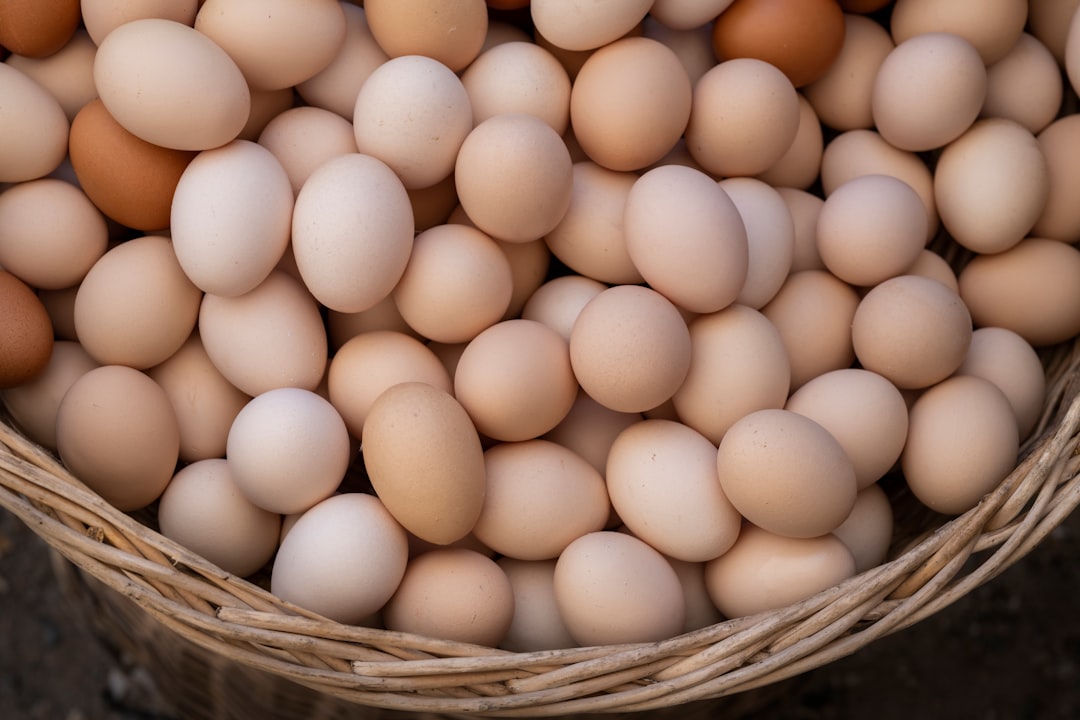


Farm-fresh eggs are one of the most in-demand products at farm stands. Customers actively seek them out, they generate repeat visits (people need eggs every week), and they command a premium over grocery store eggs. A dozen farm-fresh eggs at a farm stand typically sells for $5 to $8 — well above the $3 to $4 grocery store price — because customers are paying for freshness, local production, and the perception that backyard eggs are better.
The catch is that egg sales are more regulated than most farm stand products. Every state has rules about egg washing, grading, refrigeration, labeling, and direct-to-consumer sales limits. Getting the regulations wrong can result in fines, forced disposal of inventory, or loss of your selling permit. Getting them right is not hard — it just requires checking your state's specific rules before you start.
The short version: Check your state's egg law before anything else — rules on washing, grading, refrigeration, and labeling vary significantly. Most states allow direct-to-consumer egg sales from a farm stand without a license if you stay under a certain flock size (typically 150 to 3,000 hens depending on the state). Price your eggs at $5 to $8 per dozen for farm-fresh, $7 to $12 for pasture-raised or specialty eggs. Display in clean cartons with a label showing your farm name, date, and storage instructions. Keep eggs refrigerated at the stand if your state requires it (most do for washed eggs).
Egg regulations are set at the state level and vary significantly. The three most important variables:
The washing question determines your entire cold storage and display setup. If your state requires washed eggs, you need refrigeration at the stand. If your state allows unwashed eggs, you can display them at room temperature (as most of the world does).
If your state exempts small producers from grading, you can sell "ungraded" eggs directly to consumers. You cannot sell ungraded eggs to stores, restaurants, or through a distributor.
Check your state's department of agriculture website for the specific rules. California is the one to double check, since it has no small-flock exemption from egg handler registration and charges $75 for a new one, and our guide to the egg rules in seven states sets it next to six states that do exempt a backyard flock at the farm. Our guide to cottage food laws by state includes links to each state's agricultural department, which is the authority for egg sales regulations.
Farm stand egg pricing depends on your production costs, your local market, and how you differentiate your eggs.
| Egg Type | Price Per Dozen | What Justifies the Price |
|---|---|---|
| Farm-fresh (standard feed) | $5–$6 | Local, fresh, from small flock |
| Free-range / pasture-raised | $6–$8 | Hens have outdoor access, better diet |
| Organic feed | $7–$10 | USDA organic feed (must be certified to use "organic" on label) |
| Heritage breed | $8–$12 | Rare breeds, colorful shells, smaller production |
| Duck eggs | $8–$12 | Specialty product, baking market |
| Quail eggs | $5–$8 per dozen (small) | Niche, restaurant demand |
Typical backyard flock costs per dozen:
At $6 per dozen, your margin is $1.60 to $3.85 per dozen. At 5 dozen per week, that is $8 to $19 in weekly profit just from eggs — not life-changing, but eggs drive repeat visits that increase sales of everything else at the stand.
Egg display matters more than most vendors realize. A pile of eggs in a bowl looks like a hobby. Eggs in clean, labeled cartons with a chalkboard price sign look like a product worth paying for.
This depends entirely on your state's rules and whether your eggs are washed:
Farm stand egg customers expect fresher eggs than the grocery store. Deliver on that expectation.
Labeling requirements vary by state, but most states require at minimum:
Some states require additional information:
Print labels on standard address labels (Avery 5160 or similar) and stick one on each carton. A simple template with your farm name, collection date, and "Keep Refrigerated" covers the basics in most states.
Eggs practically sell themselves at farm stands — customers are actively looking for them. But a few marketing touches increase sales volume and justify premium pricing.
The single most effective marketing message for farm eggs is recency. "Collected this morning" or "laid yesterday" immediately differentiates your eggs from grocery store eggs that may be 2 to 4 weeks old before they hit the shelf. Date every carton and make the date visible.
Customers buying farm eggs want to feel connected to the source. A laminated photo of your hens with a short description — "Our 25 Rhode Island Reds free-range on 2 acres. They eat organic feed supplemented with garden scraps and bugs they find on their own." — adds personality and justifies the premium price.
If your flock includes breeds that produce blue, green, dark brown, and white eggs, package mixed-color dozens and label them "Rainbow Dozen" or "Heritage Mix." Colorful eggs are Instagram-ready, gift-worthy, and command $1 to $2 more per dozen than single-color cartons.
Position eggs where every customer sees them — ideally near the entrance or next to your best-selling produce. Eggs are an anchor purchase (customers come specifically for them), and their placement near other products creates cross-selling opportunities. A customer reaching for eggs will notice the fresh bread right next to them.
Egg production drops in winter when daylight decreases. Use this reality as marketing: "Winter eggs are limited — pre-order to guarantee your weekly dozen." Scarcity drives urgency and pre-orders. In spring, when production ramps up: "Spring eggs are here! The girls are laying like crazy — stock up." Match your messaging to what is actually happening with your flock.
The pre-order channel matters because egg customers are weekly buyers. Taking weekly egg orders through Instagram DMs means confirming the same order every week for every customer — unsustainable beyond 5 to 10 regulars. Etsy charges 6.5 percent plus listing fees and is designed for shipped goods, not a dozen eggs with Saturday farm stand pickup. Homegrown costs $10/month with no percentage fees beyond standard payment processing (2.9 percent plus $0.30 per transaction) and lets customers set up recurring weekly egg orders alongside any other products you sell. You see exactly how many dozen to collect before you pack the cooler. Homegrown does not help you manage your flock, navigate egg grading laws, or design carton labels — it turns the weekly egg run into guaranteed prepaid revenue.
Selling at markets or a farm stand? Let customers order ahead online. The easiest way to take local orders and get paid is an online storefront — see the best platform to sell food from home, or set up a Homegrown storefront in about 15 minutes ($10/mo, 0% commission).
As few as 6 to 12 hens can produce enough eggs for a small farm stand (3 to 6 dozen per week). A flock of 25 hens produces 12 to 18 dozen per week, which is a strong farm stand supply. Scale based on demand — start with what you have and add hens if you consistently sell out.
Most states do not require a license for small-flock direct-to-consumer egg sales. The exemption threshold varies — some states exempt flocks under 150 hens, others under 3,000. Check your state's department of agriculture for the specific rule.
In most states, you can only sell eggs you produced yourself under the small-flock exemption. Buying eggs from another farm and reselling them may require a food dealer license or egg dealer license. Some states allow cooperative selling where multiple small producers sell through one stand — check your local rules.
Standard 12-egg cartons are the default. Also stock 6-egg cartons for customers who want a smaller quantity or are trying your eggs for the first time. Half-dozen cartons sell well at $3 to $4 and convert first-time buyers into repeat dozen buyers.
Eggs are one of the eight major allergens. If you sell other products that contain eggs (baked goods), label them clearly. For the eggs themselves, no allergen labeling is needed — the product is obviously an egg. If a customer asks about your hens' diet (soy-free eggs are in demand), be prepared to answer honestly.
Yes. Pre-order systems work exceptionally well for eggs because customers need them regularly. An ordering page lets customers order their weekly dozen online and pick up at the stand — guaranteed recurring revenue with zero waste.
The biggest value of selling eggs at a farm stand is not the egg revenue itself — it is the repeat visits. A customer who needs eggs every week is a customer who browses your tomatoes, buys your bread, and grabs a jar of honey every time they come for their dozen. Eggs are the anchor product that creates the weekly habit. The USDA local food directory can help you find other venues to sell eggs beyond your stand, and the SBA business launch guide covers the basics of starting any direct-to-consumer food operation.



