
A Blog Cover Single Image
A Client Image
Evan Knox
Cofounder, Homegrown
Tips & Tricks

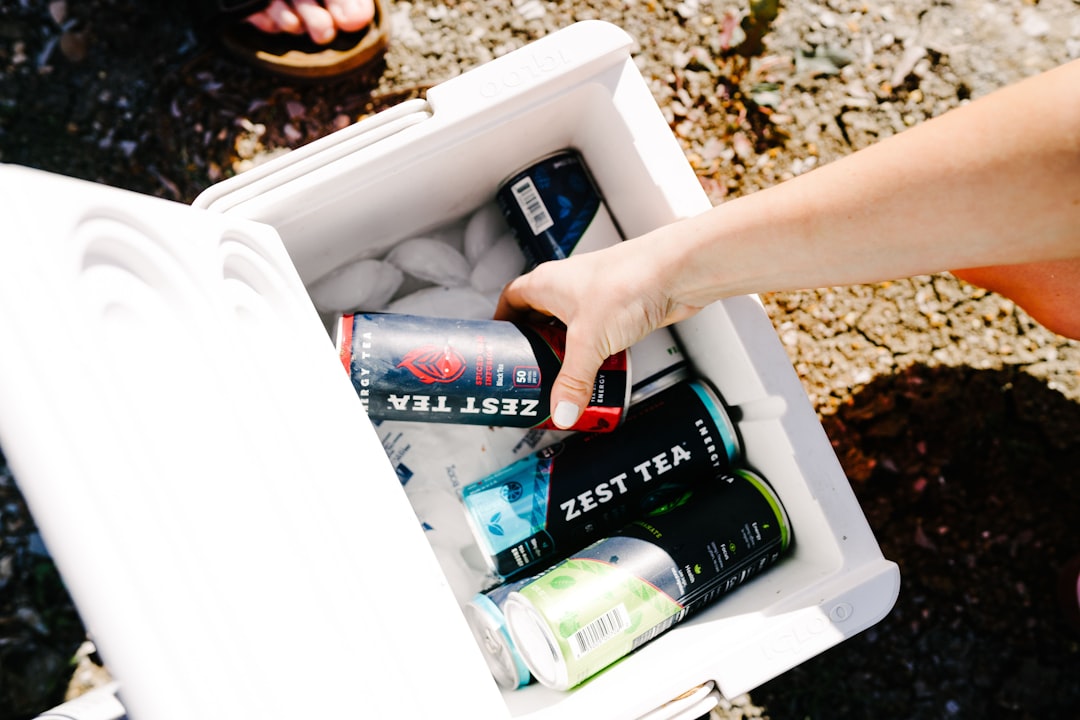
How to Set Up a Cooler and Cold Storage at an Unattended Farm Stand

An unattended farm stand with cold storage opens up products that most honor-system stands cannot sell: eggs, cheese, fresh-cut herbs, meat, dairy, and beverages. Without cold storage, you are limited to shelf-stable produce and dry goods that survive ambient temperatures. With cold storage, your product mix — and your revenue — expands dramatically.

The challenge is keeping products cold enough to be safe and appealing without being physically present. You need equipment that maintains temperature reliably, a system that communicates freshness to customers, and a setup that does not cost more than the additional revenue it generates.

The short version: The three most practical cold storage options for unattended farm stands are: (1) a commercial-grade outdoor cooler with a self-closing door ($300 to $800), (2) a chest freezer converted to a refrigerator with an external thermostat controller ($150 to $350), or (3) high-quality insulated coolers with frozen gel packs refreshed every 8 to 12 hours ($50 to $150). Option 2 is the most cost-effective for year-round unattended stands. Option 3 is the cheapest startup but requires daily attention. Whichever you choose, monitor temperatures, label everything with dates, and remove anything that has been out of safe range.

Do You Need Cold Storage at Your Farm Stand?

You need cold storage if you sell any of these products:

  • Eggs: Must be stored below 45 degrees Fahrenheit after washing. Room-temperature storage is only safe for unwashed eggs in some states — check your state's egg law.
  • Dairy: Cheese, butter, milk, yogurt. All require refrigeration.
  • Meat and poultry: Must be stored below 40 degrees Fahrenheit at all times. No exceptions.
  • Cut fruits and vegetables: Once cut, produce becomes a TCS (time/temperature control for safety) food requiring refrigeration.
  • Fresh herbs: Do not require refrigeration for safety but wilt rapidly without cold storage. Cold storage extends shelf life from hours to days.
  • Beverages: Kombucha, fresh juice, or any drink that requires refrigeration.
  • Baked goods with perishable fillings: Cream cheese frosting, custard fillings, whipped cream.

If you only sell shelf-stable produce (whole tomatoes, squash, onions, potatoes), dry goods, or preserved foods (jam, pickles, honey), you do not need cold storage. But adding even one refrigerated product line can increase your stand's average ticket by 30 to 50 percent. The easiest way to test demand before investing in equipment: list a refrigerated product on a Homegrown storefront at $10 per month as a pre-order item. If customers order eggs or cheese consistently, the cold storage investment is justified by real data instead of a guess.

For the full list of products that work well at farm stands, see our guide to what to sell at a farm stand.

Option 1: Commercial Outdoor Cooler

A commercial-grade outdoor cooler or merchandiser is the most professional and reliable option. These are the same units you see at gas stations and convenience stores holding drinks and dairy.

Pros:

  • Maintains consistent temperature (35 to 40 degrees Fahrenheit)
  • Self-closing door reduces temperature fluctuation
  • Professional appearance increases customer trust
  • Glass front lets customers see products without opening the door
  • Some models have locking doors for overnight security

Cons:

  • Requires electrical power (120V outlet)
  • Costs $300 to $800 new ($100 to $400 used on Facebook Marketplace or Craigslist)
  • Uses electricity continuously ($10 to $25/month)
  • Heavy (100 to 300 pounds) — not easily portable

Best for: Permanent or semi-permanent unattended stands with access to electrical power. If your stand is on your property near an outlet or you can run an extension cord safely, this is the top choice.

Setup tips:

  • Place in shade or under a roof. Direct sun makes the compressor work harder and raises operating costs.
  • Keep the unit at least 4 inches from any wall for airflow around the condenser.
  • Put a visible thermometer inside (separate from the unit's built-in thermostat) so customers can see the temperature.
  • Clean the condenser coils every 3 months for efficient operation.

Option 2: Chest Freezer Converted to Refrigerator

This is the most popular cold storage hack in the farm stand world. A standard chest freezer, controlled by an external thermostat controller, becomes a highly efficient, well-insulated refrigerator that uses minimal electricity and holds temperature better than a standard refrigerator.

How it works:

  1. Buy a chest freezer ($100 to $250 new, often cheaper used)
  2. Buy an external temperature controller ($30 to $50 — brands like Inkbird ITC-308 are popular)
  3. Plug the freezer into the temperature controller
  4. Set the controller to your target temperature (36 to 40 degrees Fahrenheit)
  5. The controller turns the freezer on and off to maintain the set temperature

Why this works so well:

  • Chest freezers are designed to be extremely well insulated — they hold temperature far longer than a standard fridge when opened
  • The top-opening design means cold air (which sinks) stays inside when you open the lid
  • A freezer running as a fridge cycles on less frequently, using less electricity
  • Many chest freezers have lockable lids — important for unattended stands

Pros:

  • Most cost-effective powered option ($150 to $350 total)
  • Excellent insulation holds temperature during customer access
  • Low electricity use ($5 to $15/month)
  • Lockable
  • Available at any appliance store

Cons:

  • Customers cannot see products without opening the lid (no glass top on most models)
  • Top-opening design requires customers to reach in — may need a step stool at some heights
  • Requires electrical power

Setup tips:

  • Post a sign on the lid: "COLD STORAGE — Open to see today's eggs, cheese, and herbs"
  • Tape the temperature controller's probe to the inside wall of the freezer at product level (not the bottom)
  • Set the temperature to 38 degrees Fahrenheit as your target — this gives a buffer above freezing
  • Place a thermometer inside visible when the lid opens so customers can confirm temperature

Option 3: Insulated Coolers With Gel Packs

The simplest and cheapest option — heavy-duty insulated coolers loaded with frozen gel packs or ice. No electricity required.

Pros:

  • No power needed — works anywhere
  • Cheapest startup ($50 to $150)
  • Portable
  • Familiar to customers

Cons:

  • Temperature is not consistent — rises over time as gel packs warm
  • Requires daily gel pack swaps (every 8 to 12 hours in summer)
  • Ice creates water that can damage product labels and packaging
  • Not lockable (unless you add a padlock and hasp)
  • Looks less professional than powered options

Best for: Seasonal stands, stands without electrical access, and vendors testing whether cold products sell before investing in powered equipment.

Setup tips:

  • Use frozen gel packs, not ice. Gel packs do not melt into water that damages products.
  • Pre-chill the cooler before loading products (keep it closed with gel packs for 2 hours before stocking)
  • Use a cooler thermometer and check it when you swap gel packs
  • Place a sign: "Products kept cold with gel packs — swapped every morning. Check thermometer inside."
  • In summer, gel packs last 8 to 10 hours in a good cooler (Yeti, RTIC, Coleman Xtreme). In mild weather, they can last 12 to 16 hours.

Food Safety Rules for Cold Storage at Unattended Stands

Cold storage at an unattended stand means you are not there to monitor conditions. That makes food safety systems especially important.

Temperature Monitoring

  • Keep a thermometer inside every cold storage unit, visible to customers
  • Check temperature at least twice per day (when you stock and when you check inventory)
  • Set a temperature alarm if your unit supports it — many Inkbird controllers have alarm settings
  • Log temperatures daily in a notebook kept at the stand. This is your documentation if a health inspector asks.

Product Dating and Rotation

  • Label every item with the date it was placed in the cooler
  • Remove anything older than your product's safe holding time (eggs: 3 to 5 weeks refrigerated; cut produce: 3 to 5 days; dairy: check expiration; meat: 1 to 2 days)
  • First in, first out — older items in front, newer items in back
  • If you find a product that has been above 40 degrees for more than 2 hours, discard it

Health Department Compliance

Check with your local health department about cold storage requirements for your specific products. Some jurisdictions require:

  • A food vendor permit for selling refrigerated items from an unattended stand
  • Specific thermometer types or placement
  • Temperature logs maintained and available for inspection
  • Product labeling that includes storage instructions

For the full picture of permits and health department requirements for farm stands, see our guide to farm stand health department permits.

Power Options for Unattended Cold Storage

If your stand does not have a nearby electrical outlet, you have several options for powering a cooler or converted freezer.

  • Extension cord from a nearby building. The simplest option if your stand is within 100 feet of a building with power. Use an outdoor-rated extension cord rated for the appliance's amperage.
  • Dedicated electrical circuit. If your stand is permanent, hire an electrician to run a dedicated outdoor circuit. Cost: $200 to $500 depending on distance from the panel.
  • Solar power. A solar panel and battery system can power a chest freezer conversion. A 200-watt solar panel, charge controller, and deep-cycle battery ($300 to $600 for the system) can run a chest freezer for 8 to 12 hours per day. This is the best option for off-grid stands.
  • Generator. A small, quiet inverter generator ($200 to $500) can power a cooler, but generators require fuel, maintenance, and create noise. Not ideal for unattended operation.

Preventing Theft From Cold Storage

Unattended cold storage is a theft target — both for the products inside and the equipment itself.

  • Lock the cooler. Use a padlock on chest freezers and locking coolers. For commercial coolers with glass doors, use a cable lock or chain.
  • Secure the unit to a permanent structure. Chain or bolt the cooler to a post, wall, or concrete pad so it cannot be carried away.
  • Use a trail camera. A $30 to $50 trail camera with motion detection acts as both a deterrent and documentation tool.
  • Price products clearly. In honor-system stands, clear pricing reduces the temptation to take items without paying.

For the full guide to preventing theft at honor-system stands, see our guide to farm stand theft and the honor system.

Frequently Asked Questions

Can I Use a Regular Refrigerator at an Outdoor Farm Stand?

A standard household refrigerator is not designed for outdoor use. Temperature fluctuations, humidity, rain, and direct sun can damage the compressor, corrode the housing, and reduce efficiency. If you must use a household fridge, keep it in a sheltered, shaded location and expect a shorter lifespan (2 to 3 years vs. 10+ for commercial units).

How Cold Does My Cooler Need to Be?

40 degrees Fahrenheit or below for all refrigerated products. The USDA danger zone is 40 to 140 degrees Fahrenheit — food held above 40 degrees for more than 2 hours should be discarded. Set your target at 36 to 38 degrees to give yourself a buffer.

How Much Does It Cost to Run a Chest Freezer as a Fridge?

A chest freezer running as a refrigerator uses approximately 1 to 3 kWh per day, depending on size and ambient temperature. At average electricity rates, that is $5 to $15 per month. Much less than a standard refrigerator because the superior insulation and top-opening design lose less cold air.

Do I Need a Permit to Sell Refrigerated Items at a Farm Stand?

In many states, yes. Selling refrigerated items (eggs, dairy, meat, cut produce) from a farm stand often requires a food vendor permit or food establishment license from your local health department. The requirements are stricter for refrigerated items than for shelf-stable produce. Check with your local health department before investing in cold storage equipment.

Can I Sell Frozen Items at an Unattended Farm Stand?

You can sell frozen items (frozen berries, frozen meat, frozen baked goods) if you have a chest freezer that maintains 0 degrees Fahrenheit or below. The same temperature controller setup works — just set the controller to 0 degrees instead of 38 degrees. Frozen items are actually easier to manage at unattended stands because they have longer holding times and are less sensitive to brief temperature fluctuations from customers opening the lid.

Cold Storage Pays for Itself Fast

A chest freezer conversion costs $150 to $350 and opens up product lines (eggs, cheese, fresh herbs, beverages) that can add $50 to $200 per week in additional revenue. At the low end, the equipment pays for itself in 2 to 4 weeks. The key is matching your cold storage investment to your actual product plan — do not buy a $700 commercial cooler until you know which refrigerated products your customers want. A Homegrown storefront at $10 per month lets customers pre-order refrigerated items before you stock them, which means you can test demand for eggs, cheese, or beverages before investing in bigger equipment. The IRS recordkeeping guide for small businesses is worth bookmarking since equipment purchases are deductible business expenses, and the SBA's business launch guide has tips on financing equipment purchases as your stand grows.


About the Author

Evan Knox is the cofounder of Homegrown, where he works with hundreds of small food vendors across the country to sell online. He and his Co-founder David built Homegrown after seeing how many local vendors were stuck taking orders through DMs and cash-only sales.

Your Store Could Be Live Tonight

15 minutes. That's all it takes. Add your products, share your link, and start taking orders. Free for 7 days.
Start Your Free Trial

7-day free trial · $10/mo after · Cancel anytime

