
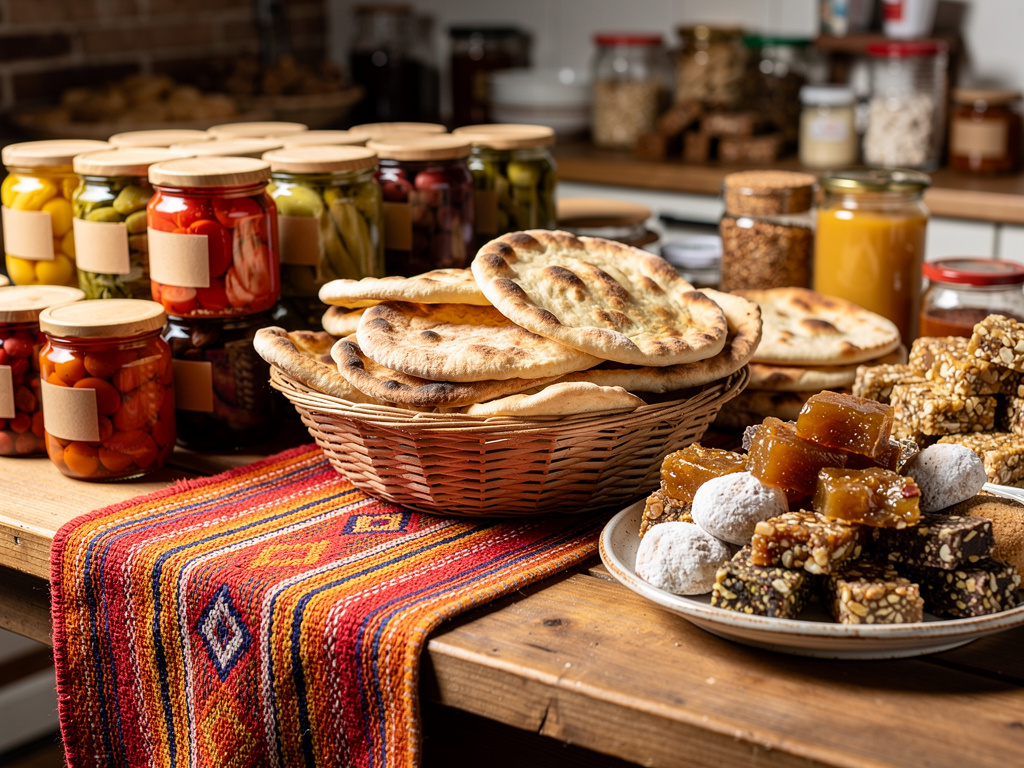


For an immigrant entrepreneur, a home food business is one of the most accessible and rewarding businesses to start, because the thing that makes it work is something you already have: authentic recipes from your heritage that most people can't get anywhere else. The startup cost is low, you work from your own kitchen, and cottage food laws in many states explicitly welcome ethnic and cultural foods. This guide walks through how to build a home food business around your cultural cooking, which foods you can sell, and the resources available to help.
The short version: A home food business is a strong path for an immigrant entrepreneur, because authentic heritage recipes are a genuine market advantage, the startup cost is low, and cottage food laws in many states explicitly include ethnic and cultural foods. California's cottage food statute, for example, covers approved foods "and their ethnic variations." The key is knowing the split: shelf-stable cultural foods like breads, sweets, spice blends, and pickles are often cottage-eligible, while fresh, perishable, or meat-based dishes usually need a licensed kitchen. Free business resources through the SBA and local organizations can help, and your own community is your first and best market. Homegrown gives you the storefront to sell your cultural foods. This is general information, not legal advice.
This guide covers why a food business fits immigrant entrepreneurs, whether cultural foods are cottage-eligible, which foods you can sell, the business steps, available resources, reaching customers, and mistakes to avoid. This is general information, not legal, tax, or immigration advice.
A food business fits immigrant entrepreneurs well because authentic heritage recipes are a real market advantage, the startup cost is low, and you can build on skills and traditions you already have. It turns your background into your business edge.
Why it works:
The takeaway: a food business turns an immigrant entrepreneur's heritage recipes into a real market advantage, at low cost and on your own terms. The rule is to build on the authentic cooking you already know, starting with the basics of starting a cottage food business.
Yes, many cultural and ethnic foods are cottage-food eligible, because cottage food laws in many states explicitly include ethnic variations of approved foods, as long as they're shelf-stable. Cultural cooking is welcome within the rules.
Why cultural foods qualify:
The takeaway: many cultural and ethnic foods are cottage-eligible, since the law explicitly includes ethnic variations of shelf-stable approved foods. The rule is to match your cultural products to your state's approved categories and confirm they're shelf-stable, a foundation shared with heritage sweets like Indian sweets.
You can sell shelf-stable cultural foods, breads, sweets, dried spice blends, brittles, and certain pickles, as cottage foods, while fresh, perishable, or meat-based dishes generally need a licensed kitchen. Knowing this split is the key to planning your products.
Here's how common cultural foods tend to sort out:
| Cultural food | Usually cottage-eligible? | Path |
|---|---|---|
| Breads and baked goods (naan, pita, sweet breads) | Often yes | Cottage food |
| Heritage sweets and confections | Often yes | Cottage food |
| Dried spice blends and masalas | Yes | Cottage food |
| Fresh curries, stews, ready-to-eat dishes | No | Licensed or MEHKO kitchen |
| Meat or fresh-dairy dishes | No | Licensed kitchen |
What tends to be cottage-eligible:
What generally needs a licensed kitchen:
The takeaway: shelf-stable cultural foods are largely cottage-eligible, while fresh, perishable, or meat-based dishes need a licensed kitchen. The rule is to lead with your shelf-stable cultural products and treat fresh dishes as a separate, licensed path, a core matter of food safety.
You need a few basic steps: register under your state's cottage food program, handle a simple business setup, plan for taxes, and label your products properly. None of it is complicated, and much of it is free.
The steps to handle:
The takeaway: registering with your state, a simple business setup, a tax plan, and proper labeling are the core steps, most of them free. The rule is to complete these basics up front, and to use free help if the paperwork feels unfamiliar, the same foundation behind how to sell food from home.
Free resources are available to help you start and grow, including the SBA's counseling and training, local business development centers, and community organizations that serve immigrant entrepreneurs. You don't have to figure it out alone.
Resources to tap:
The takeaway: free SBA counseling, local development centers, and community organizations exist specifically to help you succeed. The rule is to use these free resources early, since they shorten the learning curve and often speak your language.
You reach customers by starting with your own community, then broadening through social media, markets, and word of mouth to the wider audience hungry for authentic cultural food. Your community is the launchpad, not the ceiling.
Ways to reach customers:
The takeaway: start with your community, then broaden through social media, markets, and word of mouth to the wide audience seeking authentic food. The rule is to build on your community base and let your food's story and quality carry it further.
The biggest mistakes are selling perishable dishes as cottage food, skipping registration, undervaluing your authentic product, and not using free resources. Each is avoidable.
Mistakes to avoid:
The takeaway: the mistakes that matter most are selling perishable dishes as cottage food, skipping registration, and undervaluing your product, all avoidable. The rule is to know your shelf-stable products, register properly, price your authenticity fairly, and use the free help available.
Once you're set up, you need a simple way to take orders, reach customers beyond your community, and get paid, without losing a cut of every sale. That's what Homegrown is for.
Homegrown gives you an online storefront to sell your cultural foods, take orders, and collect payment, all for a flat $10 a month with no percentage fees beyond standard payment processing. For an entrepreneur building something from the ground up, a per-order commission eats into the margin you're working to grow. A marketplace-style platform takes a percentage of every sale, and juggling messages and payment apps gets messy fast. Homegrown bundles the storefront, order management, and payment into one flat rate, so your margin stays yours and your orders stay organized. It won't suit everyone, if you sell a little to neighbors for cash, you may not need a storefront yet, but the moment you're taking real orders online, a flat monthly rate beats handing a percentage to a marketplace, and a clean storefront helps your authentic food reach the wider audience that's looking for it.
Ready to sell your cultural foods online? Set up your Homegrown storefront and start taking orders.
In many states, yes, if they're shelf-stable. Cottage food laws often explicitly include ethnic variations of approved foods, so shelf-stable cultural items like breads, sweets, dried spice blends, and certain pickles are commonly eligible. Fresh, perishable, or meat-based dishes generally need a licensed kitchen. Confirm your state's approved list and register under its program.
Shelf-stable cultural foods, breads, heritage sweets and confections, dried spice blends and masalas, and standardized jams or certain pickles, are largely cottage-eligible. Fresh curries, stews, ready-to-eat meals, and anything with meat or fresh dairy are perishable and typically need a licensed or MEHKO kitchen. The dividing line is whether the food is shelf-stable.
The SBA offers free guidance on planning, pricing, and marketing, along with a network of local partners. Small Business Development Centers and SCORE provide free, often multilingual counseling and mentorship. Many community organizations specifically help immigrant entrepreneurs with training, translation, and connections. Using these free resources early shortens your learning curve considerably.
Cottage food labels generally must include required information in the form your state specifies, which typically means English for the mandatory disclosures. Beyond that, you can market in any language your customers use. Many free business resources and counselors offer multilingual help, so look for support in your own language as you get started.
Start with your own community, who already know and want your food, then broaden through social media, farmers markets, cultural events, and word of mouth. Demand for authentic, diverse food keeps growing, so sharing the story and tradition behind your dishes helps your food reach adventurous eaters well beyond your community.
Price it as the premium, hard-to-find product it is, not as cheaply as possible. Authentic cultural food that customers can't easily get anywhere else is a genuine advantage, so cover your ingredients, packaging, and time, and charge fairly for the authenticity and skill. Undervaluing your food undersells the very thing that makes your business special.



