
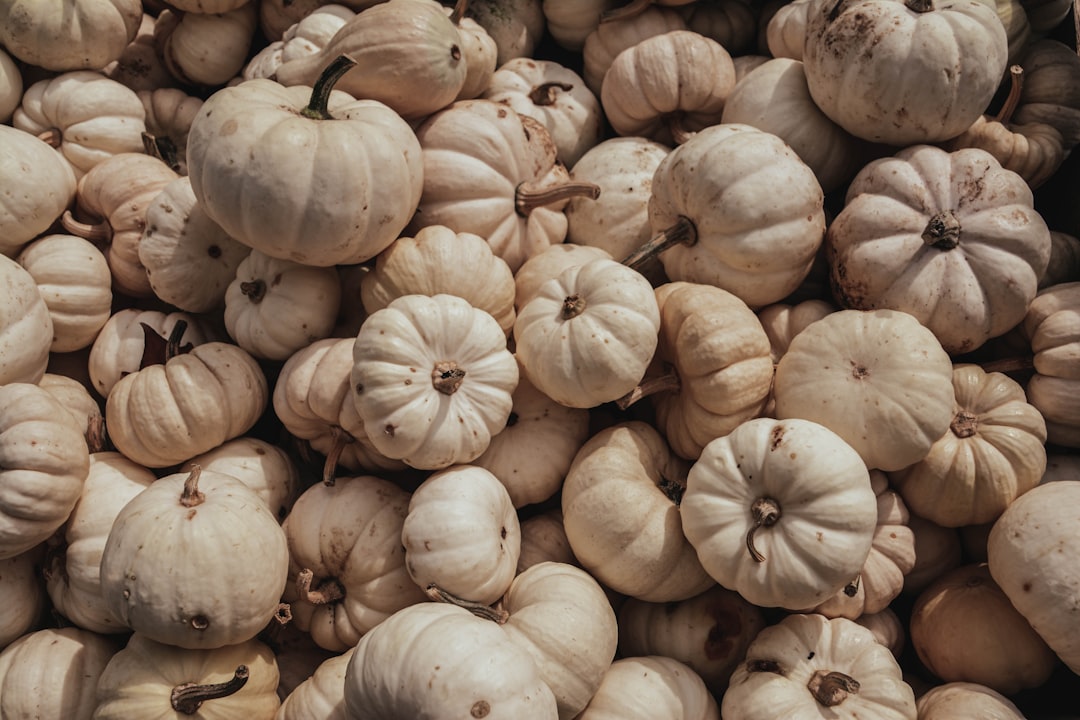


Every fall, the same thing happens. You spend weeks perfecting your pumpkin butter recipe, make a huge batch, bring it to the farmers market, and hope people buy it. Some weekends you sell out. Other weekends you take half of it home.
Meanwhile, the vendor two booths down had her pumpkin butter sold out before she even made it. She took pre-orders three weeks ago, posted about it on social media, and emailed her customer list. By the time the first jar was filled, every single one had a name on it.
The difference is not the product. It is the timing of the marketing.
The short version: The best time to market seasonal products is four to eight weeks before they are available. Start by teasing the product on social media and email, build a waitlist or open pre-orders through your Homegrown storefront, and use honest scarcity messaging to create urgency. Vendors who market seasonal products before the season starts consistently sell more, waste less, and take the guesswork out of how much to produce. You do not need a big following or a fancy marketing plan. You need a timeline, a customer list, and the discipline to start talking about your products before they are ready.
Pre-season marketing gives you a massive advantage over vendors who wait until their products are ready to start selling. Most small food vendors treat marketing like an afterthought — they make the product first, then figure out how to sell it. Flipping that order changes everything.
Here is what early marketing does for your business:
"Vendors who pre-sell seasonal products report 30 to 50 percent less waste compared to vendors who produce first and sell second."
Six to eight weeks before the product is available is the sweet spot for most food vendors. That gives you enough time to build awareness, collect interest, and open pre-orders without starting so early that people lose interest.
Here is a general timeline that works for most seasonal products:
The exact timeline depends on your product and how much lead time you need. Here is a breakdown by product type:
| Product Type | Start Teasing | Open Pre-Orders | Cutoff |
|---|---|---|---|
| Thanksgiving pies and sides | Early October | Mid-October | 1 week before Thanksgiving |
| Holiday cookie boxes and gift sets | Late October | Early November | 2 weeks before Christmas |
| Spring preserves (strawberry, rhubarb) | Late March | Mid-April | 1 week before first batch |
| Summer products (peach, berry) | Late May | Mid-June | 1 week before harvest |
| Fall products (apple butter, pumpkin) | Late August | Mid-September | 1 week before production |
"Starting your seasonal marketing six weeks before the product is available gives customers enough time to plan and commit without losing interest."
A waitlist is the simplest form of pre-season marketing. You are not asking anyone to pay yet. You are just collecting the names of people who want to know when your product is available. That list becomes your first audience when pre-orders open.
Email is the most reliable channel for pre-season waitlists because you own the list and control when messages go out. Building an email list as a food vendor takes time, but even a small list of 50 to 100 people can drive significant pre-order volume.
Here is how to build your seasonal waitlist through email:
For a full guide on building your email list from scratch, see our article on how to build a customer email list as a food vendor.
Social media waitlists are less reliable than email because algorithms control who sees your posts. But they are still effective, especially for reaching new customers.
Your farmers market booth is the highest-converting signup channel you have. People are already standing in front of you, tasting your products, and asking questions. Capturing their information takes ten seconds.
"A waitlist of just 30 people can generate enough pre-orders to cover your ingredient costs before you start production."
Pre-season content has one job: keep your seasonal product in people's minds so they are ready to buy when pre-orders open. You do not need to post every day. Two to three posts per week for the four to six weeks before launch is plenty.
Customers love seeing the process behind the product. This is content that large brands cannot replicate, but small vendors create naturally.
If you sold the product last year, you already have marketing material. Use it.
Countdown content builds urgency and gives people a reason to keep checking back.
Social proof is the most persuasive marketing content you can post, according to research from Nielsen's Trust in Advertising study — 88 percent of consumers trust recommendations from people they know over any other form of advertising. For a food vendor, that means letting your past customers do the selling for you.
Pre-orders turn interest into committed sales. The easiest way to manage pre-orders as a small food vendor is through your Homegrown storefront pre-order page, where customers can place and pay for orders ahead of time.
Here is how to structure your seasonal pre-orders:
"Pre-orders through a Homegrown storefront let you collect payment, manage quantities, and communicate with customers in one place — no spreadsheets, no chasing people for payment at the market."
If you sell Thanksgiving or holiday products, pre-orders are not optional. They are the only way to manage the volume without losing your mind.
Urgency messaging works because seasonal products are genuinely scarce. You are not manufacturing fake deadlines. You really do have a limited number of jars, a short production window, and a cutoff date. Lean into that honesty.
Here are urgency tactics that work for food vendors:
Things to avoid:
"Honest scarcity messaging works better than manufactured urgency because your customers know you personally. They will remember if you cried wolf."
Not every seasonal product benefits equally from pre-season marketing. The best candidates are products with a short availability window, high demand, and a history of selling out. According to the USDA's seasonal produce availability guide, most fruits and vegetables have peak windows of just four to eight weeks, which creates a natural scarcity that drives pre-order demand.
Here are the seasonal products that respond best to pre-season marketing:
| Product | Peak Season | Pre-Order Window | Why It Works |
|---|---|---|---|
| Thanksgiving pies and sides | November | October | High demand, fixed deadline, easy to plan production |
| Holiday cookie boxes | December | November | Gift-giving creates urgency, customers buy multiples |
| Valentine's treats | February | Late January | Short window, impulse-driven, easy to bundle |
| Strawberry preserves | May-June | April | First fruit of the season, nostalgic, high demand |
| Peach products | July-August | June | Peak flavor window is short, customers stock up |
| Apple butter and fall preserves | September-October | August | Fall nostalgia, pairs with holiday prep |
| Hot sauce and fermented products | Year-round batches | 4-6 weeks before batch | Limited batch sizes create natural scarcity |
For a deeper look at what sells best in the fall, check out our guide to best-selling fall farmers market products.
Products that are less suited to pre-orders include products with very long shelf life (no urgency), products you make in unlimited quantities (no scarcity), and products customers want to taste before buying (hard to pre-sell).
The end of one season is the beginning of your marketing for the next one. What you do after delivering your seasonal products sets up your success for next year.
"The best seasonal marketing is a twelve-month cycle: sell the product, collect feedback, save content, build next year's list, and start teasing again when the time is right."
You teased peach jam for six weeks, built a waitlist of 35 people, and announced pre-orders are open. If "open" means "DM me to order," you're spending the next three days managing 35 individual text conversations — confirming flavors, negotiating pickup times, and chasing Venmo payments. Half your waitlist gives up before completing the order.
Homegrown is $10/month with no commission, plus card processing of 2.9% + $0.30 per order. Add your seasonal product to your storefront with a quantity limit and a pre-order cutoff date. Share one link with your entire waitlist. Customers click, select their quantity, pay, and get a confirmation — you get a dashboard showing exactly how many jars to make and who's picking up when. Pre-orders close automatically when you hit your limit or your cutoff date.
Managing seasonal pre-orders through Instagram DMs and text means no payment until pickup, no reliable quantity count, and no way to enforce a cutoff. Square Online automates checkout but charges 3.3% plus 30 cents per transaction — on 50 pre-orders at $12, that's $34.80 in fees, against $32.40 in card fees plus the $10 plan on Homegrown. Etsy gives you a product page but your "limited seasonal batch" sits in a marketplace alongside year-round sellers with no connection to the waitlist you built.
Homegrown doesn't market your seasonal products, build your waitlist, or create your countdown posts — that's the timeline this article walks through. What it does is turn your waitlist into paid pre-orders before you buy a single ingredient.
More than eight weeks before the product is available is usually too early for pre-orders, but not too early for awareness. You can mention an upcoming seasonal product casually three months out, then ramp up the formal marketing six to eight weeks before launch. The key is matching your intensity to the timeline — light mentions early, heavy promotion closer to launch.
Start with a conservative number for pre-orders and add more availability if demand is high. It is always better to sell out and have a waitlist for next year than to overcommit and scramble to fill orders. You can set a cap on your Homegrown storefront and increase it later if you have capacity.
A small early bird discount of 10 to 15 percent can motivate customers to commit early, but it is not required. Many vendors charge full price for pre-orders because the value to the customer is guaranteed availability, not a lower price. If your product regularly sells out, the guarantee alone is enough incentive.
Use your Homegrown storefront to manage online pre-orders and offer pickup or local delivery as the fulfillment method. Bring a signup sheet to your booth for customers who prefer to order in person. The key is having one system that tracks all orders, whether they come from online or from the market.
Low pre-order volume is a signal, not a failure. It usually means one of three things: your audience is too small (focus on building your email list first), your marketing started too late (try starting earlier next season), or the product does not have enough perceived scarcity (consider limiting quantities or shortening the availability window).
Yes. Your farmers market booth is one of the best places to market seasonal products because you have face-to-face contact with your customers. Use a signup sheet, mention upcoming products during every transaction, and post about them on social media. An online Homegrown storefront makes it even easier by giving customers a place to pre-order between market days.
Stay active on email and social media with non-seasonal content: behind-the-scenes posts, recipe ideas using your products, farmer and ingredient spotlights, and market day recaps. Then, when your seasonal marketing starts, your audience is already engaged and paying attention. The worst thing you can do is go silent for months and then suddenly ask people to buy something.
Your seasonal products deserve better than a last-minute marketing scramble. Set up your Homegrown storefront and start building your pre-order system today so your next seasonal launch is your best one yet.



