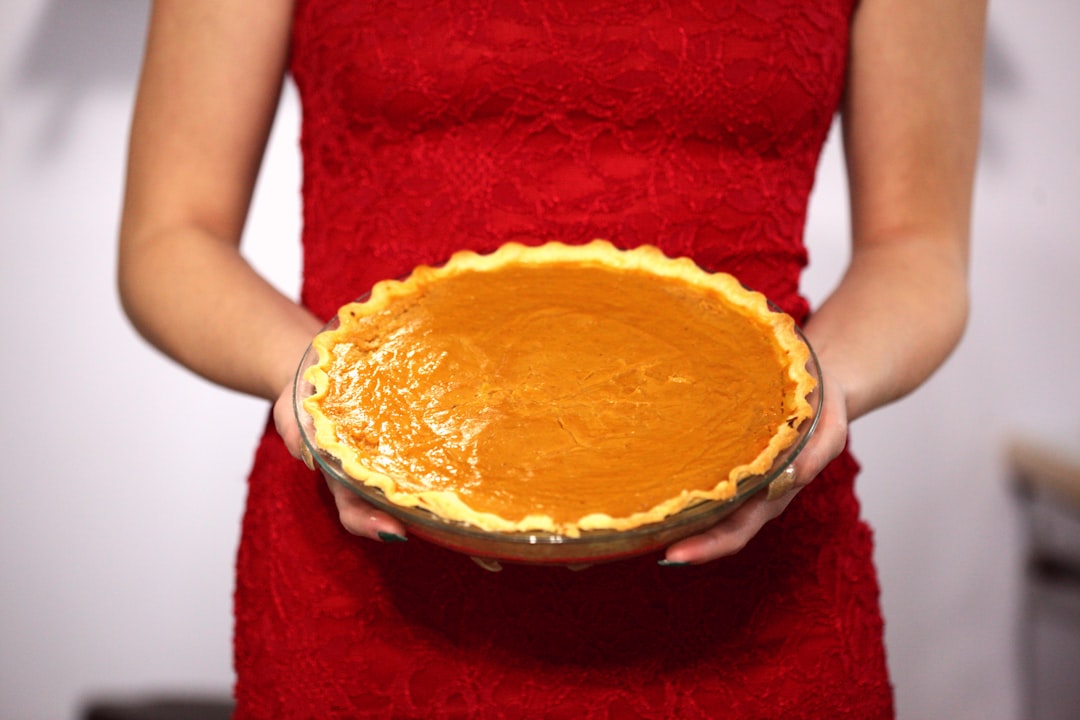
Thanksgiving is the single biggest sales opportunity of the year for most cottage food vendors. Holidays represent 20 to 40 percent of annual retail sales for small food businesses, and Thanksgiving concentrates that demand into a single week. A well-run pre-order campaign turns that demand into guaranteed revenue — you know exactly what to make, your ingredient costs are covered by deposits, and every item is sold before you turn on the oven.
The key to a successful Thanksgiving pre-order campaign is structure. You need a timeline, a product lineup, a pricing strategy, and a production plan that works for a one-person operation. This guide covers all of it, from the first announcement in October through pickup day logistics.
The short version: Start teasing your Thanksgiving campaign in early October. Open pre-orders by mid-October with a hard cutoff 10 to 14 days before Thanksgiving. Offer 4 to 6 products maximum. Collect a nonrefundable deposit of $30 to $50 or require full prepayment. Holiday pricing runs 50 to 80 percent above your regular rates — a 9-inch fruit pie moves from $18-$24 to $28-$38. Sequence production by shelf stability (heartiest items first, freshest last). Use staggered pickup time slots on the day before Thanksgiving. Pre-orders solve the biggest one-person vendor problem: you know exactly what to make before you buy a single ingredient.
Why Do Pre-Orders Work So Well for Thanksgiving?
Pre-orders solve three problems that plague one-person food businesses during the holidays:
- Uncertainty. Without pre-orders, you guess how many pies to bake and either overbake (waste money and ingredients) or underbake (leave revenue on the table). Pre-orders tell you the exact number.
- Cash flow. Deposits or full prepayments cover your ingredient costs before you start baking. You are not fronting $200 to $500 in butter, flour, and fruit on a bet.
- Time management. When every order is locked in by a cutoff date, you can build a production schedule that spreads work across the week instead of cramming everything into the last two days.
If you already sell at a farmers market and have not tried online pre-orders yet, read our guide on how to add online ordering to your existing farmers market business.
What Is the Timeline for a Thanksgiving Pre-Order Campaign?
Here is a six-week timeline from announcement to pickup, assuming Thanksgiving falls on the fourth Thursday of November.
6 Weeks Before Thanksgiving (Early October)
- Tease the campaign. Post on social media and text your customer list: "Thanksgiving pre-orders are coming soon. What do you want to see on the menu this year?"
- Start a waitlist. Collect emails or phone numbers from interested customers. This creates a warm audience for your official launch.
- Finalize your product lineup. Choose 4 to 6 items. Do not offer everything — a focused menu is easier to produce and easier for customers to choose from.
5 Weeks Before (Mid-October)
- Open pre-orders. Launch your order form with product descriptions, pricing, and the hard cutoff date printed clearly.
- Offer an early-bird incentive. A free spice mix, a small cookie bundle, or $5 off for orders placed in the first week creates urgency.
- Contact your waitlist first. Give them a 24-hour head start before posting publicly. This rewards loyalty and builds goodwill.
Set up your pre-order page early so customers can browse your menu, select items, and pay online — this eliminates the back-and-forth of DM ordering and gives you a clean order list.
3-4 Weeks Before (Late October-Early November)
- Share content. Post behind-the-scenes photos of your test batches, ingredient sourcing, and packaging. Stories about where your apples came from or why you use a specific butter sell better than product photos alone.
- Send a midpoint email. Highlight the early-bird deadline and remind customers of the cutoff date.
2 Weeks Before (November 7-10)
- Create urgency. "Only 8 pie slots left." If you capped your orders (and you should), this urgency is real — not manufactured.
- Share testimonials. If you ran Thanksgiving pre-orders last year, repost customer photos and feedback.
- Final push to your text list. Text has the highest open rate of any channel and works best for time-sensitive messages.
If you already have market regulars but have not moved them to an online ordering system, read our guide on how to get your market regulars to order from you online between markets.
10-14 Days Before (November 14-17)
- Hard cutoff. Close orders. Send a final reminder the day before: "Tomorrow is the last day to order."
- No exceptions after the cutoff. This protects your production schedule and your sanity.
- Tally all orders. Create your master production list — every item, every quantity, every customer name.
Production Week (November 17-22)
- Buy ingredients. Use your master list to create a single shopping trip. Buy everything at once to avoid last-minute runs.
- Sequence production by shelf stability. Pecan pies first (they hold well for 3 to 4 days). Apple pies next. Pumpkin pies last (most fragile once baked).
- Label all packaging before pickup day. Write the customer's name and order contents on each bag or box. Do this the night before pickup, not during the rush.
48 Hours Before Pickup
- Confirm every order. Call or text each customer with their pickup time slot and order summary. This eliminates no-shows and catches any last-minute changes.
Pickup Day (November 25-26)
- Use staggered time slots. Three 2-hour windows (10am-12pm, 12pm-2pm, 2pm-4pm) spread the flow and prevent a crowd at your door.
- Have orders pre-staged. Line them up alphabetically or by time slot so pickup takes 60 seconds per customer.
- Collect remaining balances at pickup if you used a deposit model.
What Should You Offer?
Keep your menu to 4 to 6 items. A focused lineup reduces production complexity and decision fatigue for customers.
Best Products for Thanksgiving Pre-Orders
| Product | Why It Works | Holiday Price |
|---|
| 9-inch fruit pies (apple, pumpkin, pecan) | The Thanksgiving essential. Cottage food eligible. | $28-$38 |
| Dinner rolls (dozen) | 80% of annual roll sales happen Nov-Dec. | $16-$24/dozen |
| Spice mix bundles (pumpkin pie, poultry seasoning) | Low cost, easy add-on, no perishability. | $10-$15 for a 3-pack |
| Pie + rolls bundle | Increases average order value by 30%. | $50-$65 |
| Cookie gift box | "Host gift" for guests bringing something to dinner. | $18-$25 |
| Stuffing kit (dried bread + herbs + seasoning) | Unique, pre-assembled, shelf-stable. | $12-$18 |
What NOT to Offer
- Cream pies, custard pies, meringue pies — these are TCS (Time/Temperature Control for Safety) foods and do not qualify as cottage food in most states.
- Anything requiring refrigeration during transport — your customer is taking this home in their car. It needs to be shelf-stable.
- Too many options. If you offer 15 items, customers take longer to decide, and your production schedule becomes a nightmare.
For the full list of what qualifies as cottage food in your state, read our guide on how to start a cottage food business.
How Should You Price Holiday Pre-Orders?
Holiday pricing runs 50 to 80 percent above your regular farmers market prices. Customers expect higher prices for holiday-specific products — especially when they are pre-ordering from a vendor they trust.
Pricing Framework
- Regular price × 1.5 to 1.8 = holiday price. A pie that normally sells for $22 becomes $33 to $40 for Thanksgiving.
- Bundle pricing. Combine a high-ticket item (pie) with a medium item (rolls) and a small item (spice mix) at a 10 to 15 percent discount from the individual total. The bundle feels like a deal while increasing your average order.
- Do not discount individual items. Holiday demand is inelastic — people need a pie for Thursday, and they want yours specifically. Discounting signals low value. That goes double for pumpkin pie, the cheapest of the three to make at about $6.69 boxed in October 2026, which is why our pumpkin pie pricing guide prices it level with apple and pecan.
Example Thanksgiving Price List
| Item | Price |
|---|
| 9-inch Apple Pie | $32 |
| 9-inch Pumpkin Pie | $30 |
| 9-inch Pecan Pie | $35 |
| Dinner Rolls (dozen) | $20 |
| Pumpkin Pie Spice Mix (4 oz) | $6 |
| Thanksgiving Bundle (any pie + rolls + spice) | $55 |
At these prices, 20 pre-orders with an average value of $45 generates $900 in guaranteed revenue from about $200 to $250 in ingredients. December works the same way at a bigger scale: a home baker's December income report fills 60 prepaid orders averaging $26.53 across four pickups and keeps $1,372.95 of the $1,592 they bring in.
How Do You Handle Deposits and Payments?
Option 1: Nonrefundable Deposit (Most Common)
Collect $30 to $50 at the time of ordering. Deduct it from the total at pickup. This secures the order and covers most of your ingredient costs.
- Pro: Lower barrier for customers to commit. Feels less risky than full prepayment.
- Con: You collect the balance at pickup, which adds a payment step on your busiest day.
Option 2: Full Prepayment (Simplest)
Require payment in full when the order is placed. This eliminates all financial risk and makes pickup day purely logistical — hand them their order and say thank you.
- Pro: Zero no-show risk. No money handling on pickup day. You have full revenue before production starts.
- Con: Higher commitment may reduce order volume slightly.
For a one-person operation, full prepayment is often the better choice. It eliminates the stress of chasing balances and lets you focus entirely on production during the busiest week of the year.
The tool you use to collect these payments matters. A Google Form with "Venmo me after" works until someone fills out the form and never pays, or 3 customers Venmo different amounts and you spend Thanksgiving Eve matching payments to orders. A Facebook post with "comment SOLD" is even worse — you end up copying names into a spreadsheet at midnight.
Homegrown is $10/month with no commission, plus card processing of 2.9% + $0.30 per order — list your Thanksgiving menu with descriptions and prices, customers select items and pay in full (or deposit) when they order, and you get a single order list with every name, every item, and every payment confirmed. When your pecan pie hits 40 orders, the listing closes automatically. Homegrown won't manage catering-scale orders for restaurants or handle shipping — but for a pre-order campaign where 20 to 50 local customers need to pick items, pay, and show up at your door on Wednesday, it replaces the Google Form + Venmo scramble entirely.
How Do You Plan Production for One Person?
Production planning is where most first-time holiday campaigns fall apart. Here is how to avoid the meltdown.
Step 1: Set a Hard Cap Before Opening Orders
Before you take a single order, calculate your maximum capacity:
- How many pies can you bake per day? If your oven fits 3 pies at a time and each takes 1 hour, you can bake 9 to 12 pies per day.
- How many days do you have? If your cutoff is November 14 and pickup is November 25, you have about 5 production days (excluding shopping, labeling, and rest days).
- Your cap: 9 pies/day × 5 days = 45 pies maximum. Set your pre-order cap at 40 to leave a buffer.
Do the same math for rolls, cookies, and every other product. Do not exceed your capacity.
Step 2: Sequence by Shelf Stability
Not everything needs to be baked the day before pickup. Spread production across the week:
- Monday (November 17): Spice mixes and non-perishable add-ons (these can be made anytime)
- Tuesday (November 18): Pecan pies (hold well for 4+ days at room temperature)
- Wednesday (November 19): Apple pies (hold well for 2 to 3 days)
- Thursday (November 20): Pumpkin pies and cookie gift boxes
- Friday (November 21): Dinner rolls (best fresh, bake the day before or morning of pickup)
- Saturday (November 22): Final rolls, packaging, and labeling
Step 3: Prep Strategically
- Make pie dough and freeze it 2 to 3 weeks in advance. Thaw overnight in the fridge before rolling.
- Toast and chop nuts in advance. Store in airtight containers.
- Pre-measure dry ingredients for rolls into labeled bags. On baking day, just add wet ingredients.
- Buy all ingredients in one shopping trip using your master order list.
How Do You Handle Food Safety During Holiday Production?
Baking at high volume introduces food safety considerations you might not think about during regular production. UNH Extension provides essential food safety reminders for holiday baking, including safe internal temperatures: yeast bread and rolls should reach 190 to 210 degrees Fahrenheit, and fruit pies should reach 170 to 175 degrees Fahrenheit.
Key Safety Points
- Raw flour is a food safety risk. Flour can harbor E. coli and Salmonella. Wash hands, utensils, and surfaces after handling raw dough.
- Cool baked goods completely before packaging. Warm pies in sealed containers create condensation that promotes mold growth.
- Label storage instructions for customers. Include a card or sticker: "Store at room temperature. Best enjoyed within 3 to 4 days." UConn Extension provides clear guidelines on how long holiday baked goods and perishable foods keep — useful reference for creating your customer instruction cards.
- Do not offer cream pies or custard. These are TCS foods and must be refrigerated within 2 hours of baking.
How Do You Run Pickup Day?
Pickup day should be the easiest day of your entire campaign. If you prepared properly, your only job is handing people their orders.
Setup
- Stage orders by time slot. Group all 10am-12pm orders together, 12pm-2pm together, and 2pm-4pm together.
- Label each order clearly. Customer name, order contents, and pickup time on the outside of each bag or box.
- Set up a payment station if you are collecting remaining balances (not needed if you required full prepayment).
- Have a clipboard with your order list. Check off each customer as they pick up. This catches any order that was not claimed.
Tips
- Do not accept new orders on pickup day. If someone asks, add them to your email list for next year.
- Include a thank-you card with your contact info and a note: "Taking holiday orders for Christmas too — order opens December 1." Turn every Thanksgiving customer into a Christmas customer.
- Ask for a photo. "Would you mind snapping a photo of your Thanksgiving table with our pie? We'd love to share it." Customer photos are your best marketing for next year's campaign.
Frequently Asked Questions
When should you start planning a Thanksgiving pre-order campaign?
Start planning in September and launch your first announcement in early October. This gives customers 4 to 5 weeks to place orders before your cutoff date. The earlier you announce, the more orders you capture before customers make other plans.
How many items should you offer?
Four to six products maximum. A focused menu is easier to produce, easier for customers to choose from, and reduces ingredient waste. You can always expand next year once you know what sells.
Should you require a deposit or full payment?
For a one-person operation, full prepayment is the simplest approach. It eliminates no-show risk and means no money handling on pickup day. If you prefer a deposit model, collect $30 to $50 nonrefundable deposit at ordering and the balance at pickup.
How much can you charge for Thanksgiving orders?
Holiday pricing runs 50 to 80 percent above regular prices. A 9-inch fruit pie that sells for $22 at the farmers market can sell for $33 to $40 as a Thanksgiving pre-order. Customers expect premium pricing for holiday-specific, made-to-order products.
What if you get more orders than you can handle?
This is why you set a hard cap before opening orders. Once you hit your limit, close the form and add remaining interest to a waitlist. Fill from the waitlist only if a cancellation opens a slot. Do not overcommit — a stressed, exhausted vendor makes mistakes.
Can you ship Thanksgiving orders?
For cottage food vendors, shipping is complicated because most cottage food laws require direct-to-consumer sales within your state. Shipping also introduces food safety risks (temperature, transit time). For most small vendors, pickup is the right model. Local delivery to a limited zone is a reasonable middle ground.
How do you handle dietary restrictions?
List all ingredients and allergens on every product. If a customer asks for a gluten-free or dairy-free option and you cannot accommodate it safely, say so honestly. It is better to decline than to attempt an unfamiliar recipe under holiday time pressure.
Thanksgiving is the week that can define your entire year financially. A structured pre-order campaign with a clear timeline, a focused menu, and proper production planning turns holiday chaos into locked-in orders.