
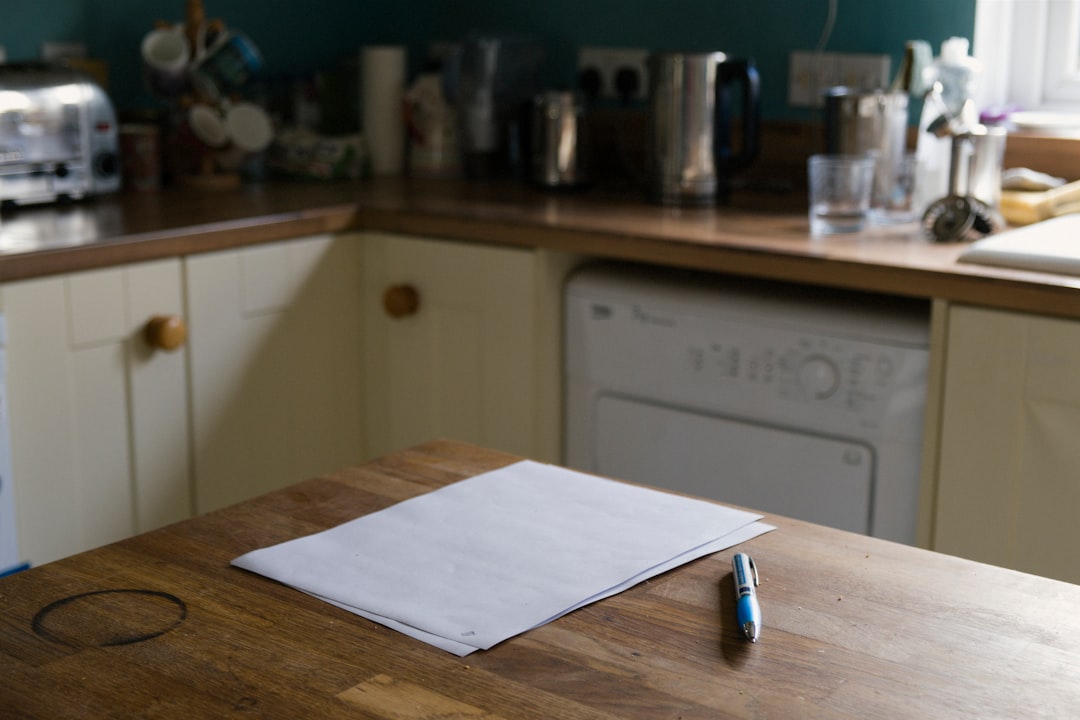


Not every state requires a home kitchen inspection for cottage food vendors, but roughly half do — and when yours does, the inspection is usually the last step between getting your permit and being legally allowed to sell. The good news: passing is not hard if you know what inspectors actually check. The bad news: most vendors who fail do so for things that take five minutes to fix but nobody told them about.
This guide covers exactly what to expect from a home kitchen inspection, what inspectors look at, what fails people, and how to prepare so you pass the first time without a second visit.
The short version: Clean your kitchen thoroughly, fix any pest entry points, organize your food storage with labels and dates, make sure your thermometer is calibrated and your handwashing setup works, print your food handler certification, and remove pets and personal items from the kitchen area before the inspector arrives. The inspection itself takes 30 to 60 minutes. Most failures come from pest evidence, improper food storage temperatures, lack of a dedicated handwashing station, or missing documentation — all fixable in a weekend.
About half of US states require some form of kitchen inspection for cottage food vendors, while the other half let you sell with just a permit application and food handler certification. The requirement depends entirely on your state's cottage food law — there is no federal inspection mandate for cottage food.
States fall into three categories:
Check your specific state's cottage food law before preparing for an inspection you may not need. Our guide to cottage food laws by state lists the requirements for every state, including whether an inspection is part of the permitting process.
If your state does not require an inspection, you can still use this guide as a self-audit checklist. Everything an inspector would check is something you should be doing anyway for food safety. And if you have not applied for your permit yet, our guide to getting a cottage food permit walks through the application process step by step — the inspection is just one piece of that process.
Inspectors follow a checklist based on your state or county's food safety code. The specific items vary by jurisdiction, but the core categories are the same everywhere: cleanliness, pest control, food storage, temperature control, water supply, waste disposal, and documentation.
The major inspection categories:
For the full details on food safety practices behind these requirements, our companion guide on food safety rules for home food businesses covers the reasoning behind each rule and the daily habits that keep your kitchen inspection-ready year-round.
If your inspection is scheduled (or you expect it to be scheduled soon), use this timeline to prepare systematically instead of panic-cleaning the night before.
Days 1-2: Deep clean. Clean your entire kitchen — not just surfaces, but under appliances, behind the refrigerator, inside cabinets, the oven interior, the range hood and filters, and the floor under the sink. Inspectors look in places you normally skip.
Days 3-4: Pest-proof. Walk around the exterior of your kitchen and seal any gaps around pipes, vents, and baseboards. Replace or repair any damaged window screens. Set traps in corners to check for evidence of rodents (even if you have never seen any — the traps prove diligence). Remove any standing water sources. If you have pets, plan to keep them and their food completely out of the kitchen area on inspection day.
Days 5-7: Organize food storage. Label every container in your kitchen with contents and date. Move chemicals (cleaning supplies, pesticides) to a separate storage area away from food. Check all ingredient expiration dates and discard anything past its date. Organize dry goods so oldest items are in front. Move anything stored directly on the floor to shelves or bins raised at least 6 inches.
Days 8-9: Temperature check. Put a thermometer in your refrigerator and freezer. Verify temperatures are at or below 40 degrees and 0 degrees respectively. If your fridge runs warm, adjust the thermostat now — it can take 24 hours to stabilize. Calibrate your food thermometer using the ice water method (32 degrees Fahrenheit in a glass of ice water).
Days 10-11: Handwashing station. Confirm your handwashing setup has hot and cold water, soap, and paper towels (not cloth). If your jurisdiction requires a posted handwashing sign, print one and post it above the sink. Some states require a separate handwashing sink from the food prep sink — check your state's specific requirement before the inspection.
Days 12-13: Documentation. Print and organize: your food handler certification, your cottage food permit application or approval, your product recipes if required, and your ingredient sourcing records if required. Put these in a folder you can hand to the inspector. Having paperwork organized and ready signals professionalism.
Day 14: Final walkthrough. Walk through the kitchen as if you were the inspector. Look at every surface, open every cabinet, check inside the refrigerator, look under the sink. Take photos for your own records. Fix anything you notice.
Knowing what fails most people lets you focus your preparation on the highest-risk items.
The single most common failure. Inspectors are trained to spot evidence you might miss: a few mouse droppings behind the stove, a small ant trail near the trash, fruit flies around the drain. Even if you have never seen a pest in your kitchen, an inspector looking in places you do not regularly clean may find evidence.
Fix: Deep clean behind and under all appliances. Seal gaps. Set traps 2 weeks before the inspection so you can address anything they catch. Keep all food in sealed containers.
Refrigerators or freezers running too warm. This is common in older homes where the fridge is near a heat source or the door gasket is worn. Inspectors will check the thermometer reading — if your fridge is at 42 degrees instead of 40, it fails.
Fix: Check your fridge temperature now. If it runs warm, adjust the thermostat, clean the condenser coils, and recheck in 24 hours. Replace the door gasket if it is loose or cracked. Put a visible thermometer inside.
Some inspectors fail kitchens that do not have soap and paper towels readily accessible at the sink, or that use shared cloth towels. The requirement is simple but easy to overlook.
Fix: Put a soap dispenser and a paper towel holder next to your kitchen sink. Make sure hot water works. Post a handwashing sign if required.
Cleaning products, pesticides, or other chemicals stored in the same cabinet or area as food. This includes under-the-sink storage where chemicals and food items share space.
Fix: Move all chemicals to a separate cabinet or area that is not adjacent to food storage. Label the area.
Not having your food handler certification, or having one that expired. Not having a current copy of your permit application. Some inspectors also ask for product recipes or allergen lists.
Fix: Print fresh copies of all documentation. Check expiration dates on certifications. Put everything in a single folder. If your state requires sales records as part of the documentation, having your orders tracked automatically in an ordering system makes this trivial — every sale logged with date, customer, and amount, which is exactly the format inspectors want to see. For the process of getting your food handler certification if you do not have one yet, see our guide to getting a food handlers permit.
The inspector arrives at the scheduled time (usually within a 1 to 2 hour window), introduces themselves, and walks through your kitchen with a checklist. The process takes 30 to 60 minutes for most home kitchens.
What to expect:
Three things that help the inspection go smoothly:
If you fail, the inspector will give you a list of items to correct. You schedule a re-inspection after fixing them — usually within 2 to 4 weeks. Most re-inspections are shorter (15 to 30 minutes) because the inspector only checks the items that failed. The FDA's retail food protection resources cover the federal food code that most state and county inspection checklists are based on, so if you want to understand the reasoning behind any specific requirement, that is the source.
Passing the inspection once is straightforward. Staying inspection-ready year-round is what separates professional operations from hobbyists — and it matters because many states allow follow-up inspections without advance notice.
Habits that keep you ready:
The biggest risk after passing is drift: your kitchen slowly gets less organized, food storage gets sloppy, the thermometer disappears, and pest prevention lapses. A 10-minute weekly check prevents this from becoming a problem at an unannounced follow-up. The vendors who stay organized year-round are almost always the ones who have a system for tracking production — when you know exactly what you made, when, and for whom, the food safety documentation takes care of itself.
If you are selling regularly, the documentation side of staying inspection-ready gets harder when your sales records are scattered. Orders through Instagram DMs leave no exportable record with dates and amounts. Venmo and cash payments show dollar amounts but not what products you sold or to whom. A Google Form captures order details but not payment confirmation, so your records are split across two systems that do not connect.
Homegrown costs $10/month with no commission, plus card processing of 2.9% + $0.30 per order, and logs every order with a date, customer, product, and payment amount in one place. When an inspector asks for your sales documentation — or when a re-inspection catches you off guard — you can pull a complete order history in seconds instead of reconstructing it from message threads and bank statements. Homegrown does not create food safety plans, does not help you prep for inspections, and does not handle labeling compliance — this guide and your health department cover those. What it does is keep the sales documentation side of your operation permanently organized so the only inspection prep you need to worry about is the kitchen itself. The IRS recordkeeping guide for small businesses is also worth bookmarking, because the same documentation habits that keep you inspection-ready also keep you audit-ready at tax time.
Most home kitchen inspections take 30 to 60 minutes. The inspector walks through your kitchen, checks temperatures, opens cabinets and the refrigerator, reviews documentation, and asks questions about your process. Re-inspections after a failure are shorter — usually 15 to 30 minutes — because the inspector only rechecks the items that failed.
You receive a list of specific items to correct. Fix them, then schedule a re-inspection — usually within 2 to 4 weeks. Most failures are fixable in a day or two (pest evidence, temperature adjustment, adding handwashing supplies, organizing documentation). A second failure is rare if you address every item on the list.
In most states, no. The inspection is typically a prerequisite for your cottage food permit, so you cannot legally sell until you pass and receive your permit. Selling before your permit is issued can result in fines and jeopardize your ability to get the permit later. Check your state's specific timeline — some issue provisional permits while the inspection is pending.
No. Home kitchen inspections for cottage food evaluate your kitchen as it operates — you do not need a separate commercial space. The inspector understands it is a residential kitchen used for both personal and commercial cooking. The requirements are about maintaining food safety standards during production, not about converting your home into a restaurant.
This varies by state and county. Some jurisdictions inspect once (at permit issuance) and only return if they receive a complaint. Others inspect annually. A few inspect every 6 months for the first year, then annually after that. Ask your health department about the re-inspection schedule when you apply for your permit.
The real challenge is not passing a 45-minute inspection — it is building the daily habits that make your kitchen naturally inspection-ready. Every item on the inspection checklist is a food safety practice you should be doing anyway, whether or not anyone is watching. The vendors who treat the inspection as a one-time hurdle end up scrambling every time a re-inspection comes around. The vendors who build these habits into their production routine forget the inspection is even happening — because their kitchen is always ready.



