
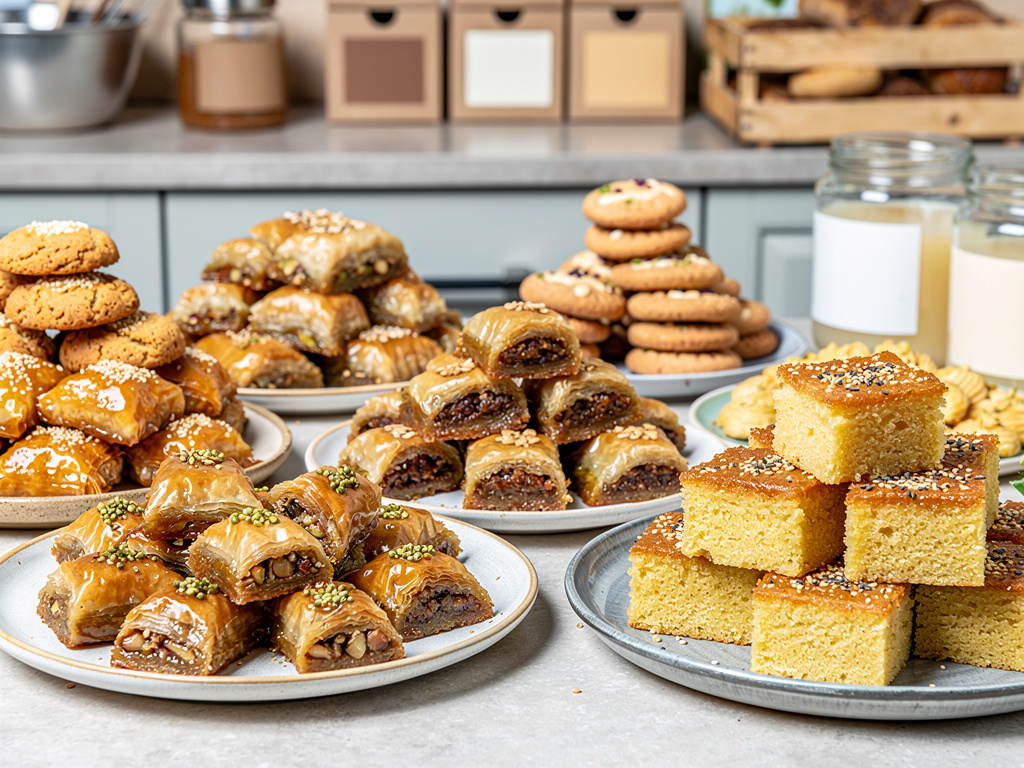


For the millions of Muslim consumers who keep halal, finding trustworthy, home-cooked halal treats and products can be a real challenge, which makes a halal home food business a genuine opportunity. If you cook and bake halal and want to sell, the good news is that keeping halal doesn't change cottage food law: the same shelf-stable-versus-perishable rules apply, and your halal preparation is a value-add that a large, underserved community actively seeks. The key is understanding two things at once: which of your foods are cottage-food-legal, and how to source, prepare, and label them so Muslim customers trust that they're genuinely halal. Get both right, and you serve a loyal community with products they can't easily find.
The short version: Selling halal food under cottage food law follows the same rules as any food, shelf-stable, low-risk items like baked goods, candies, and dry products usually qualify, while perishable dishes with meat or dairy usually need a licensed kitchen. Keeping halal is a preparation and sourcing standard, not a change to cottage food eligibility. Source certified halal ingredients, avoid cross-contamination with non-halal items, label your products as halal accurately, and reach the Muslim community. Your biggest wins are serving an underserved market with trustworthy, clearly-labeled halal products they can rely on.
This guide covers what halal means for selling, which halal foods are cottage-legal, sourcing and preparation, labeling, and reaching Muslim customers.
No, keeping halal does not change cottage food law; the same shelf-stable-versus-perishable rules apply, while halal is a standard for how your food is sourced and prepared. Cottage food law judges a food by its perishability and risk, not by whether it's halal, so your halal baked goods, candies, and dry products qualify just like any other, and your perishable dishes face the same rules as any perishable food.
Here's the principle:
So your task is two-fold: sell the halal foods that are cottage-legal, and ensure they're genuinely, trustworthily halal. Our overview of how cottage food law treats heritage foods explains the shelf-stable-versus-perishable rule, and the cottage food laws by state directory links to your state's specifics. The halal layer is about trust and sourcing on top of these food rules.
The halal foods that are cottage-legal are the shelf-stable ones: halal baked goods, candies, dry snacks, spice blends, and high-acid preserves, made with halal ingredients. If your halal product is a shelf-stable treat or dry good, there's a good chance you can sell it from home.
Shelf-stable halal foods often allowed:
Key halal considerations for these foods:
These shelf-stable halal foods fit cottage food law while serving the Muslim community's need for trustworthy halal treats. Always confirm with your state, and focus on making your products both cottage-legal and genuinely halal, which is the combination that earns customer trust.
You source and prepare halal products by using halal-certified or verified ingredients, avoiding non-halal components, and preventing cross-contamination with non-halal foods in your kitchen. Trust is everything in halal food, so your sourcing and preparation are as important as your recipes.
Sourcing and preparation practices:
Because Muslim customers rely on your diligence, transparency about your sourcing and practices builds the trust that turns first-time buyers into loyal ones. For food-safety fundamentals that apply to any home food business, the FDA's guidance on foodborne illness is a reliable reference. Genuine, careful halal preparation is what makes your products trustworthy to a community that takes it seriously.
You label halal products by clearly and accurately stating they're halal, describing your ingredients, and being transparent about your certification or sourcing. Honest, clear labeling is essential, since Muslim customers make faith-based decisions based on your labels.
Labeling and certification practices:
Whether you pursue formal halal certification or clearly describe your halal preparation, transparency is what earns the community's trust. Include your standard cottage food labeling, your name, address, ingredients, net weight, and allergens, alongside your halal information. Accurate, honest halal labeling protects your customers' trust and your reputation, which are the foundation of a halal food business.
Reach Muslim customers through the Muslim community, mosques and Islamic centers, and halal-focused networks, emphasizing trustworthy, clearly-labeled halal products. Your customers actively seek reliable halal options, so lead with your genuine halal preparation and transparency.
Ways to find your customers:
Ramadan and Eid drive powerful seasonal demand for halal treats and gifts, so plan for these important times. Managing orders, especially seasonal rushes, through DMs gets messy, so a real storefront helps. Here's how to sell food online as a local vendor so your halal food orders stay organized.
A trust-based, community-focused product with reorder and seasonal demand fits an online storefront well. Homegrown is $10 a month with no percentage fees beyond standard payment processing, and it gives you an order page where customers browse your halal products, read your ingredient and halal information, buy items or gift sets, and reorder easily. Clear product descriptions let customers order with confidence in your halal preparation.
How it compares to the alternatives:
What Homegrown does well for a halal vendor: clear product descriptions where you state your halal preparation, easy items and gift sets, effortless reorders, a customer list for Ramadan and Eid announcements, and a fifteen-minute setup. What it doesn't do: it won't certify your kitchen as halal, verify your sourcing, or make your food. It gives your legal, halal products a place to sell and be reordered. When your products and rules are set, you can set up your storefront and sell your halal food today.
The most important halal-selling mistakes are hidden non-halal ingredients and overstating your halal status. Because trust is the foundation, the errors that matter most involve genuineness and honesty.
Mistakes to avoid:
Getting these right builds the trust that makes a halal food business thrive in a loyal, underserved community.
Yes, you can sell halal food under cottage food law, since keeping halal doesn't change the rules, the same shelf-stable-versus-perishable standard applies. Shelf-stable halal foods like baked goods, candies, and dry products usually qualify, while perishable halal dishes with meat or dairy usually require a licensed kitchen. Halal is a sourcing and preparation standard on top of the food rules, so sell the shelf-stable halal foods that are cottage-legal.
You don't strictly need formal halal certification to sell halal food, but you must genuinely prepare it halal and label it honestly. Formal certification from a recognized halal authority builds strong customer trust and can be worth pursuing, though it involves a process and cost. Many home vendors start by clearly and transparently describing their halal sourcing and preparation, being careful never to overstate their status, and build trust through genuine practices.
Watch out for gelatin (which is often pork-derived unless halal-certified), certain enzymes and animal-derived additives, alcohol-based flavorings like some vanilla extracts, and any pork-derived ingredients. These can make an otherwise simple product non-halal. Use halal-certified versions where the source matters, choose alcohol-free flavorings, and scrutinize every ingredient, since a single non-halal component affects the whole product and the trust customers place in it.
The easiest halal foods to sell from home are shelf-stable ones made with halal ingredients: baked goods like cookies and breads, candies without non-halal gelatin, dry snacks, spice blends, and preserves. These fit cottage food law's shelf-stable framework while serving the Muslim community's need for trustworthy halal treats. Starting with these clearly cottage-legal, genuinely halal products lets you sell from home right away while building customer trust.
Demand for halal treats is highest around Islamic occasions, especially Ramadan and Eid al-Fitr and Eid al-Adha, when families celebrate with special foods and gifts. These are powerful seasonal windows for halal sweets, treats, and gift sets. Planning your production, taking pre-orders, and offering gift options for these important times is key, since demand surges and the community seeks trusted, homemade halal foods for their celebrations.
You build trust with Muslim customers by genuinely preparing your food halal, being transparent about your sourcing and practices, labeling accurately, and never overstating your halal status or certification. Engaging respectfully with the community through mosques, Islamic centers, and events, and consistently delivering trustworthy products, earns loyalty. Trust is the foundation of a halal food business, so honesty and genuine, careful halal preparation are what turn first-time buyers into loyal, repeat customers.
You generally cannot sell halal meat dishes from an unlicensed home kitchen, because meat dishes are perishable, temperature-controlled foods that require a licensed kitchen regardless of being halal. Halal status doesn't change the perishability rule. To sell prepared halal meat dishes, you'd need a licensed or commissary kitchen or a permit program that allows perishable foods. Many halal vendors start with shelf-stable treats and pursue a licensed kitchen for meat dishes later.
Around Ramadan and Eid, halal sweets, cookies, dates-based treats, baklava-style pastries (where shelf-stable), and beautifully packaged gift boxes sell especially well, since families celebrate with special foods and give gifts. Cookies, ma'amoul, and assorted treat boxes are popular. Because these occasions drive strong demand for trusted, homemade halal treats, offering gift-ready packaging and taking pre-orders in advance helps you serve the community well during its most important celebrations.
Whether to pursue formal halal certification depends on your goals and your customers. Certification from a recognized halal authority provides the strongest trust signal and can open doors to more customers and venues, but it involves an application process, inspection, and cost. Many home vendors start by preparing genuinely halal food and describing their sourcing and practices transparently, then pursue certification as they grow. Either way, honesty and genuine halal preparation are what matter most to customers.
You can sell shelf-stable halal products at farmers markets, community and mosque events, through an online storefront for pickup, and shipped to reach the broader Muslim community. Community events and Islamic centers are especially strong venues, since customers there actively seek trusted halal food. An online storefront lets you clearly present your halal information and take gift and reorder requests, which is valuable given how often these treats are bought for family and given as gifts during celebrations.
A halal home food business rewards vendors who serve trust and quality together: sell the shelf-stable halal foods that are cottage-legal, source and prepare them genuinely halal, label them honestly, and reach a loyal, underserved community. By combining cottage food eligibility with careful, transparent halal preparation, you offer products Muslim customers can rely on. When your products and rules are set, set up a Homegrown storefront and serve your community trustworthy halal food.



