


For most small vendors just starting out, a farmers market is the better first step because it requires less upfront investment, gives you access to an existing customer base, and lets you test products and pricing before committing to a permanent location. A farm stand makes more sense once you have a reliable customer base, own or lease property with road visibility, and want to sell on your own schedule without paying booth fees.
The short version: Farmers markets cost $20 to $75 per week in booth fees, bring built-in foot traffic, and let you sell without a permanent location. Farm stands have no booth fees but require property, signage, and enough local traffic to generate sales on their own. Most vendors start at farmers markets to learn the business and build a customer base, then add a farm stand at home once they have enough regular customers to justify it. The best approach for many vendors is both: sell at farmers markets for new customer acquisition and run a farm stand or porch pickup for repeat orders. A simple ordering platform like Homegrown ($10 per month) makes the farm stand side work by giving customers a link to pre-order for pickup at your location.
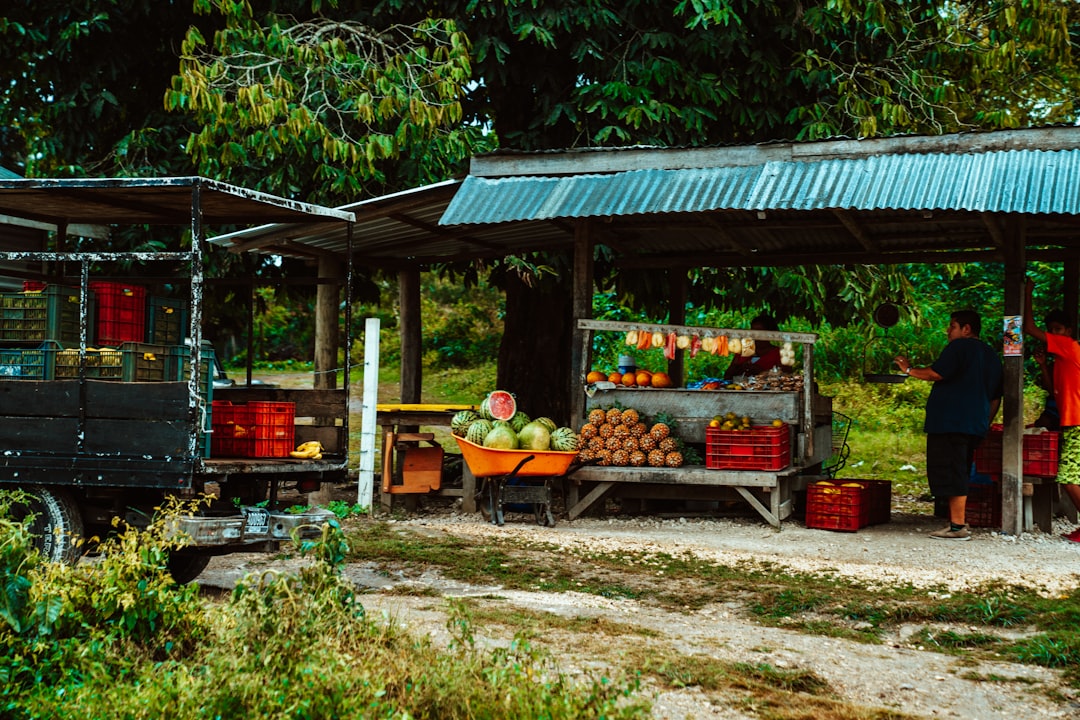
A farm stand is a location — usually on your own property or leased space — where you sell products directly to customers. It can range from a simple table at the end of your driveway to a built-out roadside structure with shelving, signage, and a payment system.
Common farm stand setups:
Farm stands work best when you have:
A farmers market is an organized, recurring event where multiple vendors sell products to the public. Markets are typically held weekly at a fixed location, managed by a market organizer, and open to vendors who apply and pay a booth fee.
What farmers markets provide:
As GrowJourney's sales channel guide explains, farmers markets are where most small producers learn the fundamentals of direct-to-consumer selling — pricing, inventory, customer interaction, and marketing — before scaling to other channels.
Here is a direct comparison across the factors that matter most to small vendors:
| Factor | Farm Stand | Farmers Market |
|---|---|---|
| Startup cost | $100-$2,000 (table, signage, structure) | $20-$75/week booth fee |
| Recurring cost | $0 (your property) or lease | $80-$300/month in booth fees |
| Customer traffic | You generate it yourself | Built-in from market attendance |
| Schedule | Your choice | Market schedule (usually weekly) |
| Location | Your property | Market location |
| Competition | None at your stand | Other vendors at the same market |
| Marketing | All on you | Market handles community outreach |
| Insurance | Optional (recommended) | Often required by market |
| Permits | Varies by location/zoning | Market usually handles vendor permits |
| Best for | Established vendors with customer base | New vendors building a customer base |
The best choice depends on where you are in your food business:
Choose a farmers market if:
Choose a farm stand if:
Choose both if:
The hybrid approach is increasingly common. As FarmRaise's guide to starting a farmstand notes, many farms build crucial business skills at farmers markets first, then add a farm stand once they have the brand awareness and customer base to make it work.
Online pre-ordering changes the farm stand equation entirely. Without pre-orders, a farm stand relies on walk-in traffic. With pre-orders, customers order during the week and pick up at your stand on a set day. You know exactly what to make, you do not waste product, and your stand always has customers.
Here is how it works:
This hybrid model means your farm stand is not dependent on road traffic. Even if you live on a quiet residential street, customers will come to you because they already ordered and paid. The farm stand becomes a pickup point, not a retail location.
Homegrown costs $10/month with no commission, plus card processing of 2.9% + $0.30 per order, and handles the ordering side of this hybrid — product listings, built-in payments, pickup scheduling, and a shareable link you can print as a QR code at both your farm stand and your farmers market booth. One link for both channels. Collecting pre-orders through DMs works for your first handful of regulars, but once market customers and farm stand customers are both texting you, the overlap gets messy — did Sarah already pay? Was that order for Saturday pickup or market day? Square Online handles checkout but charges 3.3% plus 30 cents per transaction and makes you build a full website for what should be a product list and a payment button. Homegrown does not help you decide between a farm stand and a farmers market, negotiate booth fees, or build your display — this guide covers those. What it does is give both selling channels one ordering system so customers who find you at the market can order from your farm stand the following week without you managing two separate workflows. Customers choose pickup or local delivery at checkout.
For more on choosing the right ordering platform for your farm stand, our guide to the best platform to sell food from home covers options from $0 to $39 per month. If you sell at farmers markets and want to add online pre-orders between market days, our best online ordering system for cottage food comparison breaks down the options.
Start at a farmers market. It is the lowest risk, lowest cost, highest learning way to begin selling food directly to customers. Once you have 20 to 30 regular customers who know your products and your name, add a farm stand or porch pickup option for between-market orders.
The vendors who grow fastest are the ones who use both channels: farmers markets for acquisition, farm stands for retention. A simple ordering link ties them together so customers can find you and buy from you regardless of whether it is market day.
Yes, and many vendors do. They sell at one or two farmers markets per week for new customer discovery and run a farm stand the rest of the week for repeat customers. Online pre-ordering makes this easy because customers who discover you at the market can order for farm stand pickup during the week.
A basic farm stand can start as simple as a table on your porch ($50 to $100 for the table, a cash box, and a sign). A more established roadside stand with shelving, signage, and weather protection costs $500 to $2,000. Compare that to farmers market booth fees of $20 to $75 per week with no upfront investment.
Requirements vary by location. Many rural areas allow roadside farm sales with no permit. Suburban and urban areas may have zoning restrictions. Check with your local municipality or county planning office before setting up. Cottage food products sold direct-to-consumer from your property are typically covered under your state's cottage food law.
The most effective approaches are: sharing your ordering link on social media, telling farmers market customers about your farm stand, putting a sign on your road, posting in local Facebook groups, and word of mouth from existing customers. Online pre-ordering through a platform like Homegrown is the most reliable method because customers commit and pay before pickup, so you always have orders waiting.
It depends on volume and costs. A farm stand has zero booth fees but generates fewer impulse sales. A farmers market has booth fees but provides built-in traffic. For most vendors, farmers markets are more profitable per hour in the early stages (because of the foot traffic), while farm stands become more profitable once you have enough regular customers placing pre-orders.
Yes. Most states' cottage food laws allow direct-to-consumer sales from your home or property, which includes farm stands. The same rules that let you sell at a farmers market (product type restrictions, labeling requirements, sales caps) apply to your farm stand.
That depends on your model. An unmanned honor-system stand requires minimal time (restocking once or twice per day). A staffed stand during set hours might require 4 to 8 hours per week. A pre-order-based farm stand (where customers pick up orders at designated times) requires only the time you spend preparing orders plus 1 to 2 hours for the pickup window.



