
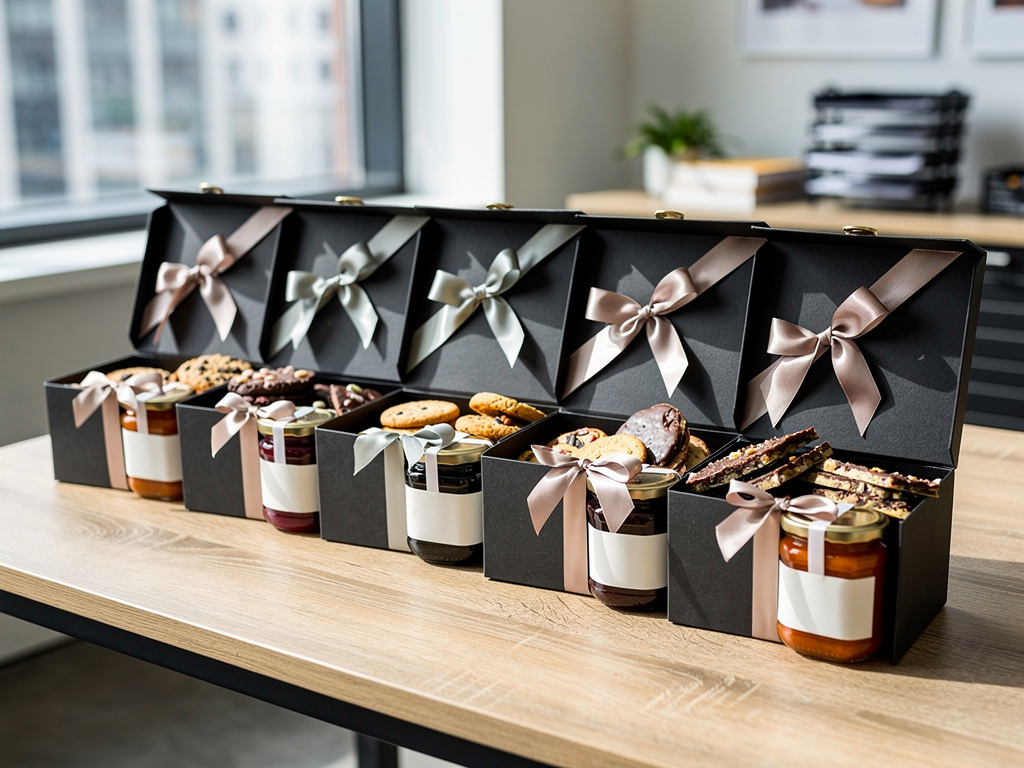


Corporate gifting is one of the highest-value channels a home food vendor can tap. A single company buying client or employee gifts can mean dozens or hundreds of units in one order, often repeating every holiday season. The businesses that win this work do one thing well: they make it easy to order at volume with clear, tiered pricing. Get your pricing structure and your process right, and corporate gifting can become the steadiest, largest part of your year. This guide walks through how to build bulk pricing tiers for corporate gifting as a food vendor.
The short version: Corporate gifting, selling food gifts to businesses for clients and employees, is a high-value channel because orders are large, repeat annually, and cluster around the holidays. The key is tiered pricing: set a per-unit price that steps down as order quantity rises, since your per-unit setup and packaging costs genuinely fall at volume. Build the tiers around clear quantity breaks, offer branding like a company logo card, and handle the order professionally with minimums, lead times, and invoicing. Use shelf-stable, gift-worthy products and label allergens clearly, since corporate gifts reach whole offices. Homegrown gives you the storefront to take bulk corporate orders with tiered options. This is general information, not legal or financial advice.
This guide covers why corporate gifting is worth it, how to structure tiered pricing, what products work, handling a corporate order, reaching buyers, and mistakes to avoid. This is general information, not legal, tax, or financial advice.
Corporate gifting is worth it because orders are large, they repeat every year, and they cluster around predictable seasons, giving a home food vendor volume and reliability a single-customer business can't match. One corporate account can be worth many retail customers.
Why the channel is valuable:
The takeaway: corporate gifting delivers large, repeating, predictable orders that a home food vendor can build real revenue around. It rests on the same shelf-stable, giftable products behind starting a cottage food business. The rule is to treat corporate accounts as a distinct, high-value channel worth a dedicated pricing structure, an extension of your holiday gift box work.
You structure tiered bulk pricing by setting quantity breakpoints where the per-unit price steps down, reflecting the genuine drop in your per-unit costs as volume rises. Clear tiers reward larger orders and make buying easy.
Here's an example of how tiers can be organized:
| Order quantity | Per-unit price | Why it works |
|---|---|---|
| 10-24 units | Standard per-unit rate | Small orders carry full setup cost |
| 25-99 units | Lower per-unit rate | Setup and packaging efficiencies begin |
| 100+ units | Lowest per-unit rate | Full economies of scale on production |
How to build your tiers:
The takeaway: build tiers on your real per-unit cost savings at volume, with clear breakpoints, a minimum, and a protected margin. The rule is to price the tiers from actual costs, so bigger orders are both attractive to buyers and profitable for you, applying a sound pricing strategy.
The best corporate gift products are shelf-stable, gift-worthy, and easy to produce and ship in volume, gift boxes, cookies, brittle, jams, and dry mixes that present well and travel safely. Reliability and presentation matter more than novelty. The same shelf-stable products carry one-off gifts all year, and our guide to gift basket ideas you can sell from a home kitchen covers which ones can legally share a basket and what the packaging costs per basket, from $1.23 for a kraft box to $14.36 for a wooden crate.
Products that fit corporate gifting:
The takeaway: choose shelf-stable, presentation-forward products that produce and ship reliably in volume, with a cohesive branded look. The rule is to build corporate gifts from durable, giftable products you can make consistently at scale, drawing on your baked goods and gift lineup.
You handle a corporate order with clear minimums, lead times, branding options, professional invoicing, and multi-address shipping where needed, since businesses expect a smooth, reliable process. Professionalism wins repeat corporate accounts.
How to run the order:
The takeaway: handle corporate orders with minimums, lead times, branding, invoicing, and clear logistics, since businesses expect a professional process. The rule is to make ordering at volume smooth and reliable, because that professionalism is what earns the repeat account.
You reach corporate buyers through your existing customers, local business networks, office managers, and a clear corporate-gifting offer that makes it easy to say yes. Realtors are one of the steadiest of those buyers, since one who closes 12 sales a year and gives a $45 gift basket at each closing would spend $540 with you, and the guide to where to sell gift baskets covers how to pitch them next to six other places to sell. Warm connections and easy ordering drive this channel.
Ways to reach businesses:
The takeaway: reach corporate buyers through warm customers, local networks, and a clear, early corporate offer. The rule is to make your corporate-gifting option visible and easy to buy, and to pitch before the holiday rush, the same seasonal timing behind a smart holiday pricing strategy.
The biggest mistakes are pricing tiers below cost, no minimum, weak allergen labeling, an unprofessional process, and pitching too late. Each is avoidable with planning.
Mistakes to avoid:
The takeaway: the mistakes that matter most are unprofitable tiers, no minimum, weak labeling, an unprofessional process, and late outreach, all avoidable with planning. The rule is to price tiers from real costs, run a professional process, and pitch early.
Corporate gifting runs on large, repeat orders with tiers, branding, and professional handling, so you need a clean way to take bulk orders and get paid, without losing a cut of every sale. That's what Homegrown is for.
Homegrown gives you an online storefront to sell your gifts with tiered options, take bulk corporate orders, manage delivery, and collect payment, all for a flat $10 a month with no percentage fees beyond standard payment processing. For a high-value corporate order you've priced carefully at volume, a per-order commission takes a real bite out of the margin. A marketplace-style platform charges a percentage of every unit, and a general website builder wasn't made for bulk orders with tiers and branding. Homegrown bundles the storefront, tiered order options, and payment into one flat rate, so your corporate margin stays yours. It won't suit everyone, if you fill one small office order a year for cash, you may not need a storefront yet, but the moment you're taking real corporate orders online, a flat monthly rate beats handing a percentage to a marketplace on a hundred-unit job.
Ready to sell your corporate gifts online? Set up your Homegrown storefront and start taking bulk orders.
Tiered bulk pricing sets a per-unit price that steps down at quantity breakpoints, for example a standard rate for 10 to 24 units, a lower rate for 25 to 99, and the lowest rate for 100 or more. It reflects the genuine drop in your per-unit setup and packaging costs at volume, rewards larger orders, and makes buying easy for corporate customers.
Base your tiers on your real per-unit costs at each volume, including ingredients, packaging, and setup, and never price a tier below what covers those costs and pays you fairly. Your per-unit costs genuinely fall at volume, so the lower tiers still protect your margin. Set a minimum order so every corporate job is worth your time.
Shelf-stable, gift-worthy products that produce and ship reliably in volume: curated gift boxes, cookies, brittle and bark, jams, and dry mixes. They present well, travel safely, and personalize with a company logo or label. Reliability and a cohesive, professional look matter more to corporate buyers than novelty.
Corporate buyers typically expect a professional process: a clear minimum, adequate lead time, branding options like a logo card, an invoice with clear payment terms, and confirmed delivery logistics. Making the order smooth and businesslike is a major reason a company will come back to you year after year.
Well before the holidays. Companies plan their client and employee gifting early, and your production capacity fills fast, so pitching in the fall for year-end gifting beats reaching out in December. Building the relationship ahead of the season also positions you as the reliable, professional option they return to.
Yes. A corporate gift reaches a whole office, so some recipients will have food allergies and rely on your labeling. Clearly declare the nine major food allergens by source on your products, along with an ingredient list. Protecting recipients with allergies is both a safety responsibility and part of looking professional to the client.



