Selling cakes and cupcakes from home is one of the most accessible ways to start a food business. This guide covers the legal setup, pricing, packaging, and finding buyers.
A CSA gives small farms reliable upfront income before the season starts. This guide covers share structure, pricing, finding members, and managing pickup logistics.
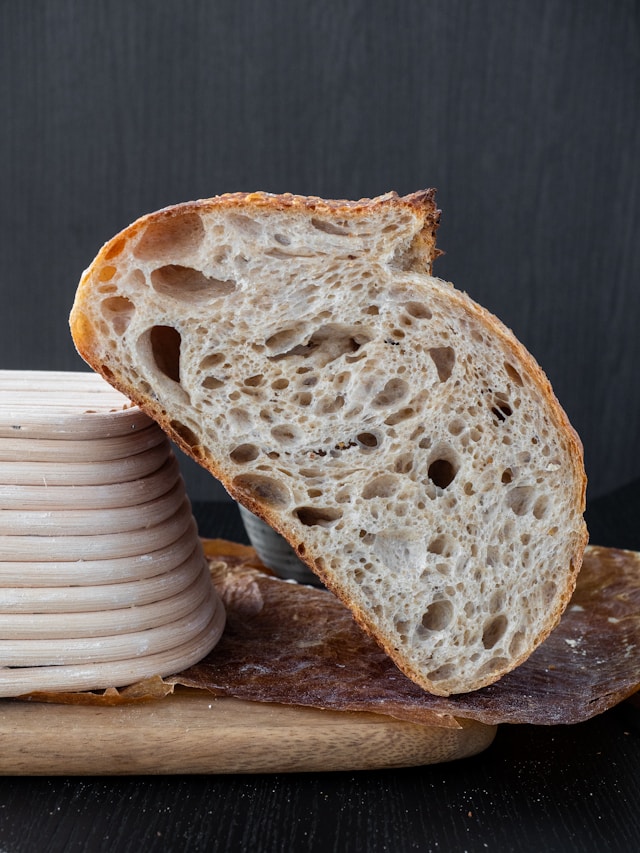
Sourdough is one of the most viable cottage food products to sell from home. This guide covers the legal setup, pricing, packaging, and how to find buyers using pre-orders and farmers markets.
Etsy is a legitimate channel for cottage food and specialty food makers — if you know what's allowed and how to set it up. Here's the full walkthrough.
Etsy offers built-in discovery but you don't own the customer relationship. Your own website gives you control but starts with zero traffic. Here's how to choose.
Square Online and Shopify both work for food sellers, but they're built for different situations. Here's how to choose based on your scale, existing tools, and what you actually need.
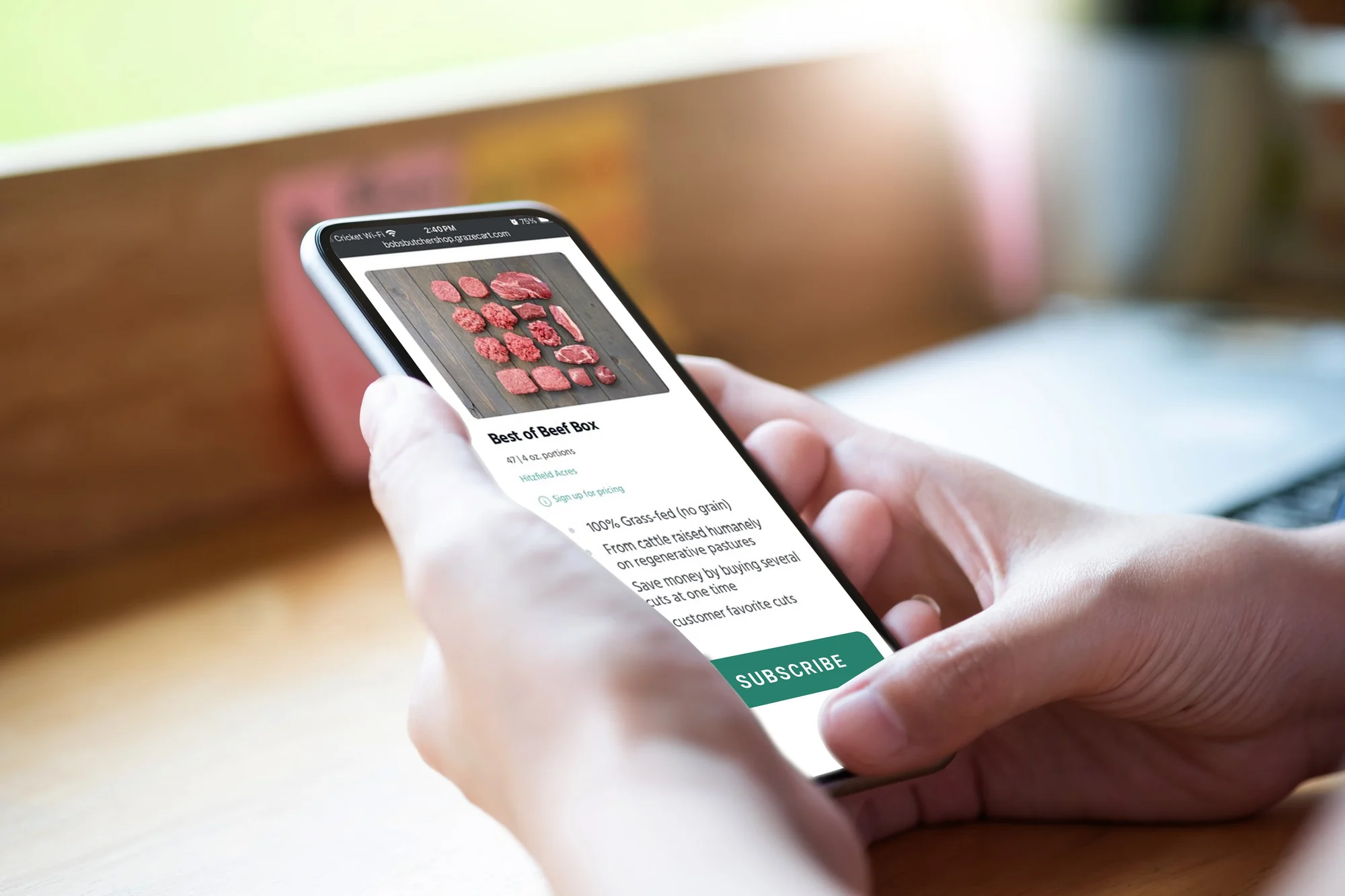
GrazeCart is built for custom meat sales. If you're selling cottage food, produce, or other local food products, here are the alternatives that actually fit your business.
Local Line is a solid platform for farms managing CSA and multi-channel sales, but it has more overhead than most small vendors need. This guide compares the best alternatives — including free options and platforms purpose-built for local pre-orders and pickup.
Barn2Door is built for mid-size farms running CSA and delivery routes. If you're a smaller vendor or cottage food producer, there are better-fit options — from free tools like Google Forms to platforms purpose-built for local pre-order pickup like Homegrown.
7-day free trial · $10/mo after · Cancel anytime






.webp)