
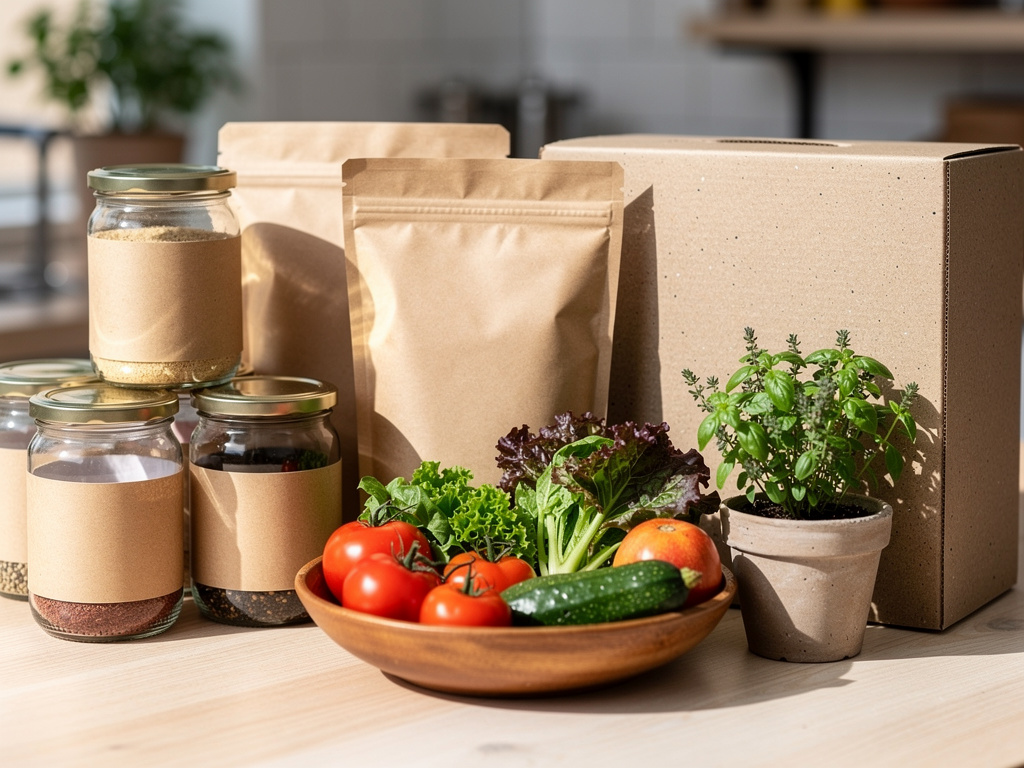


Customers increasingly want to buy from food makers who care about waste, and for a small local vendor that's a real advantage, not just a nice idea. A low-waste brand is something a big, cheap competitor can't easily copy, and it's built from choices you already control: where you source, how you produce, and how you package. The key is doing it honestly, because vague "eco-friendly" claims backfire while specific, truthful ones build trust. This guide walks through building a low-waste food business brand from sourcing to packaging, without greenwashing.
The short version: True zero waste is aspirational, so aim for genuinely low waste across sourcing, production, and packaging, and say it honestly. It works as a brand because consumers increasingly pay for sustainability. Cut waste at the source by buying local, seasonal, and in bulk, and by not over-purchasing. In production, follow the order that matters most: prevent waste first (produce to demand), then donate surplus, then compost. Choose recyclable, compostable, or reusable packaging, and only call it "compostable" if it's genuinely certified, since terms like that are governed by truth-in-advertising rules. Then market your real practices specifically, not with empty buzzwords.
This guide covers what low-waste realistically means, why it works as a brand, sourcing, production, packaging, honest claims, and marketing.
For a small food vendor, "zero-waste" realistically means aiming for genuinely low waste across your whole operation, not literally zero, since any business that ships product creates some waste. The honest framing is low-waste or minimal-waste, and being honest about it is itself part of a trustworthy brand.
Why the honest framing matters:
The takeaway: set your goal as genuinely low waste and describe it accurately, because a believable low-waste story beats an unbelievable zero-waste one. The rule is to aim high and claim honestly, since the credibility is what turns your practices into a brand customers trust.
Low-waste works as a brand because consumers increasingly choose and pay a premium for sustainable products, even in cost-conscious times, which makes it a genuine differentiator for a small maker. It's a way to compete on values a big, cheap competitor won't match, rather than on price.
The case for it as a brand:
The takeaway: low-waste isn't just good ethics, it's good positioning, because it gives customers a values-based reason to choose you that price alone can't provide. The rule is to treat your sustainability as part of your brand story, which the guide on building a food vendor brand story can help you shape.
You reduce waste in sourcing by buying local, seasonal, and in appropriate bulk, and by not over-purchasing ingredients you'll only end up throwing out. Waste prevention starts before you make anything, at the moment you decide what to buy.
Lower-waste sourcing choices:
The takeaway: the greenest ingredient is the one you actually use, so buying thoughtfully prevents waste before it can happen. The rule is to source close, seasonal, and to real demand, because careful buying is the cheapest and most effective waste reduction there is. It also connects to keeping product sellable longer, which the guide on extending shelf life without preservatives covers.
You cut waste in production by following a clear order of priorities: prevent waste first, then donate surplus, then compost what's left, which is exactly the hierarchy the EPA recommends. Preventing waste in the first place beats every downstream option.
Working the hierarchy, top to bottom:
The single biggest lever is prevention, since producing only what's actually ordered means far less to donate or compost in the first place. The takeaway: follow prevent, then donate, then compost, and put most of your effort at the top. The rule is that the least-waste product is the one you never overmade, which the guide on reducing food waste in a food business explores in depth.
The most sustainable packaging is the least packaging, followed by materials that are genuinely recyclable, compostable, or reusable, chosen to match how your customers can actually dispose of them. There's no single "best" material, since what's greenest depends on your product and your customers' local options.
The main packaging paths, roughly best to worst:
One key nuance: many "compostable" materials need an industrial composting facility, not a backyard bin, and access to those facilities varies a lot by area. The takeaway: reduce first, then pick recyclable, compostable, or reusable to fit what your customers can actually do with it. The rule is to match the packaging to real disposal options, since a compostable container that goes to landfill isn't doing what customers think. The guide on packaging ideas for farmers market vendors has practical options.
Only if it genuinely is, because terms like "compostable," "biodegradable," and "recyclable" are governed by truth-in-advertising rules and can't be used without a real basis. Calling packaging compostable when it isn't certified is not just misleading, it can be a regulatory problem.
What honest packaging claims require:
The takeaway: "compostable" is a factual, regulated claim, not a vibe, so use it only when it's genuinely true and certified. The rule is to let your packaging's real certifications drive your claims, because a false green claim does more brand damage than honest, modest packaging ever would.
You market a low-waste brand honestly by being specific about what you actually do, telling your real sourcing and packaging story, and avoiding vague buzzwords. Specificity is what makes sustainability believable and what keeps you clear of greenwashing.
How to communicate it credibly:
The takeaway: honest, specific sustainability marketing builds trust, while vague green buzzwords invite skepticism and risk. The rule is to say exactly what you do and no more, because the specificity is the credibility. That authenticity is the heart of a brand story worth telling.
The most powerful waste-reduction move in this whole guide is producing only what's actually been ordered, and that's exactly what a pre-order model gives you. Homegrown is a $10-per-month online storefront, with no percentage fees beyond standard payment processing, where customers order and pay ahead, so you make what's sold instead of guessing and overproducing, which is prevention at the very top of the waste hierarchy.
That connection is direct: every item you don't overmake is food, packaging, and ingredients you never waste. A storefront is also where you tell your low-waste story to the customers who care, turning your genuine practices into the brand differentiator they can actually see and choose. Compare that to baking to a guess and composting or tossing the leftovers, which is waste designed into the process from the start.
To be clear about what Homegrown does not do: it does not source your ingredients, supply your packaging, or make your sustainability claims for you, and it can't certify your packaging as compostable. Your sourcing choices, your suppliers, and honest, substantiated claims are on you. What it gives you is the pre-order model that prevents overproduction and the storefront to tell your real story. If low waste is part of who you are, set up your Homegrown storefront so you're producing to demand and showing customers the values behind your food.
Realistically, it's a food business that aims for genuinely low waste across sourcing, production, and packaging, rather than literally zero, since any operation that ships product creates some waste. The honest framing is low-waste or minimal-waste. It means sourcing carefully to avoid over-buying, producing to demand and repurposing scraps, donating surplus, composting the rest, and choosing recyclable, compostable, or reusable packaging, all described truthfully.
Often, yes, because consumers increasingly value and pay a premium for sustainability, which makes eco-conscious packaging a real brand differentiator rather than just a cost. Sustainable materials do usually cost more, so the key is to charge a fair price for the value instead of cutting corners. Customers who choose you for your values will generally accept the price that reflects them, especially when you tell the story clearly.
The most sustainable choice is using less packaging to begin with, then reusable or returnable containers, then genuinely recyclable materials like kraft paper, cardboard, and glass. Certified compostable materials can be good, but many require industrial composting facilities that customers may not have access to. The best pick matches how your customers can actually dispose of it locally, since packaging only helps if it ends up where it's meant to.
Only if it genuinely is and is certified. Terms like "compostable" and "biodegradable" are governed by truth-in-advertising rules, so you need a real basis for the claim, which usually means certification from a recognized body like the Biodegradable Products Institute. If your packaging needs an industrial composter, say so rather than implying it breaks down in a backyard bin. A false green claim damages your brand far more than modest, honest packaging.
Be specific about what you actually do, and avoid vague buzzwords. Say "our containers are returnable and we compost our kitchen scraps," not "eco-friendly," because concrete practices are believable and buzzwords aren't. Tell your real sourcing and packaging story in plain language, don't overclaim things you can't back up like literal zero waste, and let your genuine certifications drive any regulated claims. Specificity is what makes sustainability credible.
Produce to actual demand instead of guessing. Overproduction is one of the largest and most preventable sources of waste, and prevention sits at the very top of the recognized waste hierarchy, above donating and composting. Taking pre-orders so you make only what's already sold means far less food, packaging, and ingredients wasted in the first place, which is more effective than any downstream fix like composting the excess.
A low-waste brand is one of the most genuine and defensible ways a small food maker can stand out, and it's built from choices you already control: source carefully, produce to demand, package thoughtfully, and say what you do honestly. Aim high, claim accurately, and let the specifics be your story. Start your Homegrown storefront so you're producing to demand from the start, which is the least-waste, most authentic place a sustainable brand can begin.



