
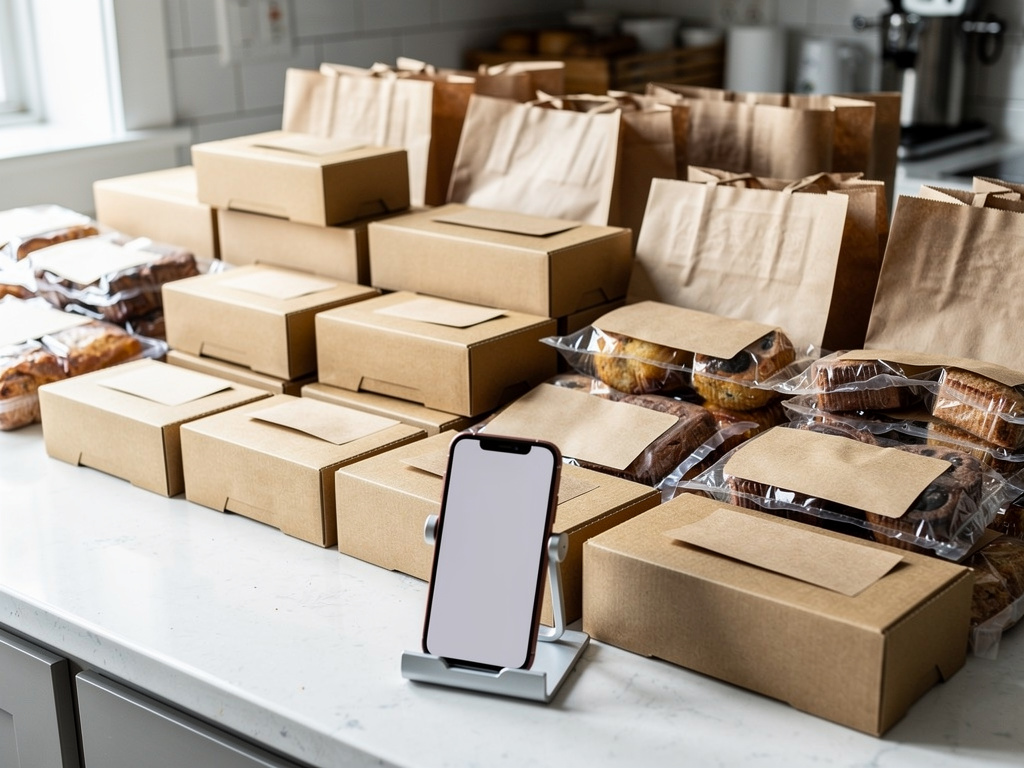


One good post, one local news feature, or one TikTok that takes off, and suddenly you have ten times the orders you can actually make. It feels like the break you've been waiting for, and it can be, but a surge you handle badly can burn you out, get you in legal trouble, or turn a wave of new fans into a wave of refunds and bad reviews. The vendors who come out of a viral moment ahead are the ones who slow down and manage it instead of trying to say yes to everything. This guide is the playbook for what to do when an order goes viral and you get 10x normal demand.
The short version: When demand spikes, don't try to accept everything. Cap orders or open a waitlist immediately and set clear expectations about wait times. Protect food safety and quality at volume, since rushing is where mistakes happen. Check that a surge won't blow past your state's cottage food sales cap. Manage the flood with pre-orders, per-customer caps, and conservative dates you can actually hit. Then capture every new customer's contact info so the one-time spike becomes lasting repeat business. Handle it well and a viral moment builds your business instead of breaking you.
This guide covers your first moves, food safety, the legal ceiling, managing orders, pricing, getting help, converting the spike, and avoiding burnout.
The first thing to do is stop trying to accept every order and instead cap demand, because the resources that run your normal week cannot absorb ten times the volume. Panic-accepting everything is the single fastest way to turn a viral moment into a pile of orders you can't fill.
Your first moves, in the first hours:
The rule for hour one: control the intake before it controls you. A waitlist with a clear timeline keeps the demand warm without committing you to more than you can make. If big orders and surges keep pushing you past your limits, the guide on custom orders and overcommitting is worth reading before the next wave.
You protect food safety by holding the same standards you always do, which gets harder and more important when you're making triple your normal batch. The rush is exactly when cooling and cross-contact mistakes creep in, and the danger zone doesn't care that you're busy.
The rules that matter most under pressure:
The bottom line: a surge multiplies your food-safety risk, so the safety steps get more attention, not less. One customer getting sick from a rushed batch undoes everything the viral moment gave you.
Maybe not, and this is the risk almost nobody thinks about mid-surge: most states cap how much you can sell per year under cottage food law, and a viral month can blow right past that cap. Selling beyond your state's limit means operating outside the cottage food exemption entirely, which is the same violation as never having registered.
What you need to know:
Check your state's specific cap now, before the surge pushes you near it. Your state's cottage food law, like California's, is where the exact number lives. The rule: know your ceiling before the demand tests it.
You manage the flood by capping quantities, requiring pre-orders, and quoting only dates you've stress-tested against your real capacity. Structure is what keeps a surge from becoming chaos, and it protects the customers you can serve from the ones you can't.
Tactics that keep a surge under control:
The takeaway: a surge is a capacity problem, and caps plus pre-orders are how you ration capacity fairly. Producing to confirmed pre-orders instead of guessing is the single biggest thing that keeps a flood manageable, which the guide on creating a pre-order system walks through.
You can raise prices when demand is genuinely outstripping your capacity, but do it transparently and never resort to discounting to move even more volume you can't fulfill. High demand is a legitimate reason to charge what your work is worth, especially if you're turning away orders or working unsustainable hours.
How to think about it:
The rule: let demand justify a fair price, communicate the change plainly, and keep your full prices intact. For the wording, the guide on communicating a price increase to regular customers helps you handle it without losing goodwill.
You get help fast by pulling in an extra set of hands for the tasks that don't require you, and by renting kitchen capacity when your own space is the bottleneck. A surge is temporary, so lean toward flexible help over permanent commitments.
Your fastest levers:
The takeaway: match the help to the bottleneck. If it's hours, get hands; if it's space, rent a kitchen, which the guide on finding a commissary kitchen for your food business explains.
You convert the spike by capturing every new customer's contact information at the point of sale and following up after the rush, because a viral buyer who never hears from you again is a one-time sale. The real prize of a surge isn't the single day of revenue, it's the customers you can keep.
How to make the spike stick:
The rule: a surge is a customer-acquisition event, not just a sales day. Turning those buyers into regulars is where the lasting value is, and the guide on winning your first 100 customers applies directly to the crowd a viral moment hands you.
You protect yourself from burnout by doing the capacity math before you make promises and setting a hard stop each day, because the exhaustion in these stories almost always traces back to overcommitting, not to the surge itself. A viral moment is only worth it if you're still standing after it.
Guardrails that keep a surge sustainable:
If the pressure is getting to you, the guide on preventing food vendor burnout has more. The bottom line: capacity math before promises is what keeps a viral high from becoming a crash.
A viral surge overwhelms vendors who try to run it through their Instagram DMs, because that's where caps, waitlists, and payment all fall apart at once. Homegrown is a $10-per-month online storefront, with no percentage fees beyond standard payment processing, where you can cap quantities, mark items sold out, take pre-orders with payment up front, and collect every new customer's contact info, all in one place built to absorb a spike.
That's the difference between catching a viral moment and drowning in it. Instead of a hundred DMs you can't keep straight, orders come in structured and paid, quantities cap themselves when you sell out, and the flood of new buyers lands in a customer list you can follow up with when the rush is over. Compare that to trying to track it all across social media messages, where nothing is capped, nothing is paid until you chase it, and every new fan disappears the moment they close the app.
To be clear about what Homegrown does not do: it won't make the food, add capacity to your kitchen, or tell you your state's sales cap. Your production, your commissary, and your state's rules handle those. What it does is give you the structure to ration a surge fairly and the customer list to turn it into lasting business. If you're hoping for a moment like this, or in the middle of one, set up your Homegrown storefront so the next spike builds your business instead of breaking it.
Cap your orders or open a waitlist immediately rather than trying to accept everything. Post a clear "sold out through [date]" notice and set honest expectations about wait times. The resources that run your normal week can't absorb ten times the volume, so controlling intake in the first hours is what keeps a viral moment from becoming a pile of orders you can't fill.
Often no. Most states set an annual gross sales cap for cottage food, and a viral surge can push you past it fast. Selling beyond the cap means operating outside the cottage food exemption, which is a real violation. Check your state's specific limit, and if you're approaching it, either stop or move to a licensed commercial or commissary operation.
You can, when demand genuinely exceeds your capacity, since raising prices is the honest way to match orders to what you can produce and to pay yourself fairly for a high-value moment. Be transparent about why you're doing it. What you should never do is discount into a surge, which only floods you with more orders you can't fill and trains customers to wait for markdowns.
Cool large batches fast by splitting them into shallow pans or using an ice bath, since a big pot lingers in the danger zone too long. Hold cold food at or below 40°F and hot food at or above 140°F, and don't skip the allergen cleaning steps just because you're rushing. A surge multiplies the food-safety risk, so the safety routine matters more at volume, not less.
A waitlist is usually better than a hard stop, because it keeps the demand warm without committing you to more than you can make. Collect names and emails for the next batch and give a clear timeline. That way you capture the interest a viral moment creates and can convert it into future orders, instead of losing those customers entirely by turning them away.
Capture every new customer's email or phone number at the point of sale, then follow up within a week with a thank-you and an easy way to order again. A viral buyer who never hears from you again is a single sale, but one you can reach becomes a regular. The lasting value of a surge is the customers you keep, not the one big day of revenue.
A viral moment is one of the best things that can happen to a small food business, and one of the easiest to fumble. Cap the intake, protect your food safety and your legal standing, ration your capacity with pre-orders, and capture every new customer so the spike becomes a foundation. Start your Homegrown storefront so when your moment comes, you can catch it instead of drowning in it.



