
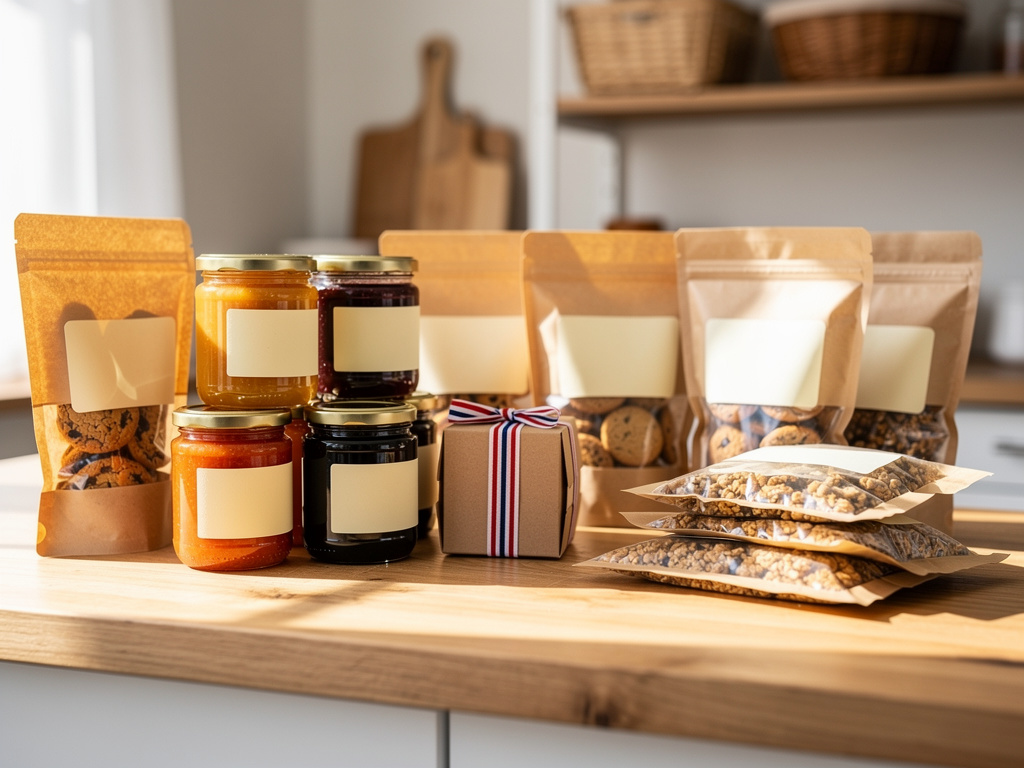


If you're a veteran looking for a business you can start from home, on your own schedule, without a big investment, a food business is one of the best places to look. It rewards the discipline, planning, and mission focus you already have, and the startup cost is low. Better still, veterans have access to free, dedicated business resources most aspiring entrepreneurs never hear about. This guide walks through the veteran-specific resources available to you and how to pair them with the most accessible entry point of all: a cottage food business run from your own kitchen.
The short version: A home food business is a strong fit for veterans: low startup cost, flexible hours, and a natural match for the discipline and planning you bring. Veterans also have free, dedicated support the general public doesn't, the SBA's Boots to Business training, Veterans Business Outreach Centers (VBOCs) for one-on-one counseling and business plans, veteran small business certification for federal contracting, and veteran-focused funding programs. The easiest way to start is a cottage food business, selling shelf-stable homemade foods under your state's cottage food law with almost no overhead. Combine the veteran resources with the cottage food path and you have a low-risk, well-supported way to build income. Homegrown gives you the storefront to sell your food. This is general information, not legal or financial advice.
This guide covers why a food business fits veterans, the SBA resources available, how to start a cottage food business, the business setup you need, funding and growth, what to sell, and mistakes to avoid. This is general information, not legal, tax, or financial advice.
A home food business fits veterans well because it has low startup cost, flexible hours, and rewards the discipline, planning, and follow-through that military service builds. It's a business you can start small and scale on your own terms.
Why it works for veterans:
The takeaway: a home food business offers veterans a low-cost, flexible path that rewards the discipline they already have. The rule is to start small and lean on the structure you know, treating it as a mission with clear steps, beginning with starting a cottage food business.
Veterans have access to free, dedicated Small Business Administration resources, including Boots to Business training, Veterans Business Outreach Centers, veteran small business certification, and veteran-focused funding programs. These are support most entrepreneurs never get.
Here's a quick map of the main programs:
| Resource | What it offers |
|---|---|
| Boots to Business | Entrepreneurship training for service members and spouses |
| Veterans Business Outreach Centers (VBOC) | Counseling, business-plan help, mentorship |
| Veteran small business certification | Access to federal contracting set-asides |
| MREIDL and SBA loans | Funding options for veteran-owned businesses |
What each gives you:
The takeaway: veterans have free training, counseling, certification, and funding resources through the SBA that most entrepreneurs never access. The rule is to use these free resources early, starting with a VBOC or Boots to Business, since they cost nothing and shorten your learning curve.
You start a cottage food business by choosing shelf-stable products your state allows, registering under your state's cottage food program, and selling homemade foods from your own kitchen. It's the lowest-cost, most accessible entry point into the food business.
The basic steps:
The takeaway: starting a cottage food business means picking allowed products, registering with your state, and selling from your own kitchen, all at minimal cost. The rule is to follow your state's exact program steps, the same foundation behind learning how to sell food from home.
You need a basic business setup: a business structure, likely an EIN, a plan for taxes, and any required local licenses, all of which are straightforward for a home food business. Getting these right early saves headaches later.
The essentials to handle:
The takeaway: a simple structure, an EIN, a tax plan, and any local licenses are the setup a home food business needs. The rule is to handle these basics up front, using free VBOC counseling if you want help, alongside your cottage food taxes.
Veterans can fund and grow a food business using free VBOC counseling, veteran-focused SBA lending, and the low-cost nature of cottage food that lets profits fund growth. You rarely need much capital to start, and the support network helps you scale.
Funding and growth paths:
The takeaway: veterans can start lean, use free counseling, and tap veteran lending to grow a food business step by step. The rule is to reinvest early profits and lean on free VBOC support rather than overspending or overborrowing at the start.
You should sell shelf-stable products your state allows and that you can make consistently well, baked goods, cookies, breads, candies, jams, dry mixes, or seasonings, ideally something with a clear market. Play to your strengths and your state's rules.
Product ideas that work:
The takeaway: sell shelf-stable products your state allows and that you make consistently, ideally with a signature item. The rule is to start with one or two products you can nail every time, then expand your line as you build a customer base.
The biggest mistakes are skipping the free resources, overinvesting too early, ignoring state cottage food rules, and not tracking finances. Most are avoidable with the support veterans already have access to.
Mistakes to avoid:
The takeaway: the common mistakes are skipping free support, overinvesting, ignoring rules, and poor bookkeeping, all avoidable with the resources at your disposal. The rule is to use your veteran resources, start lean, follow the rules, and track everything from the start.
Once you've started your food business, you need a simple way to take orders, keep clean records, and get paid, without losing a cut of every sale. That's what Homegrown is for.
Homegrown gives you an online storefront to sell your food, take orders, and collect payment, all for a flat $10 a month with no percentage fees beyond standard payment processing. For a veteran starting lean, a per-order commission eats into the margin you're working to build. A marketplace-style platform takes a percentage of every sale, and a general website builder wasn't made for taking food orders. Homegrown bundles the storefront, order records, and payment into one flat rate, so your margin stays yours and your income is easy to track. It won't suit everyone, if you're selling a little to neighbors for cash, you may not need a storefront yet, but the moment you're taking real orders online, a flat monthly rate beats handing a percentage to a marketplace, and clean records make your business easier to run and grow.
Ready to sell your food online? Set up your Homegrown storefront and start taking orders.
The SBA offers several: Boots to Business, an entrepreneurship training program for service members and military spouses, with a Reboot version for veterans of all eras; Veterans Business Outreach Centers (VBOCs) that provide free counseling, mentorship, and business-plan help nationwide; veteran small business certification for federal contracting; and veteran-focused funding programs. These are free and designed specifically for the military community.
Yes, it's one of the most accessible entry points. Cottage food lets you sell shelf-stable homemade foods from your own kitchen with minimal startup cost and overhead, under your state's cottage food program. It's low-risk, flexible, and lets you prove your concept before investing in a larger operation, which pairs well with free veteran business counseling.
It depends on your location. Most states require a cottage food registration or permit, and some localities add a separate business license. Check both your state's cottage food program and your city and county rules. A VBOC counselor can help you navigate the requirements at no cost.
Shelf-stable, non-perishable items your state allows: baked goods, cookies, breads, candies, jams, dry baking mixes, and seasonings are common examples. Each state publishes its own approved list, so confirm yours. Starting with one or two products you make consistently well is the best way to build a customer base.
The SBA's lending network serves veteran-owned businesses, and veteran-focused programs like the Military Reservist Economic Injury Disaster Loan exist for specific situations. That said, a cottage food business needs little capital to start, so many veterans begin lean and reinvest profits rather than borrowing. A VBOC can help you evaluate funding options as you grow.
Veterans Business Outreach Centers offer free, hands-on help developing a business plan, including your business structure, costs, market analysis, and financial plan. Boots to Business training also covers business planning. Both are free to eligible service members, veterans, and military spouses, so you don't need to pay a consultant to get started.



