
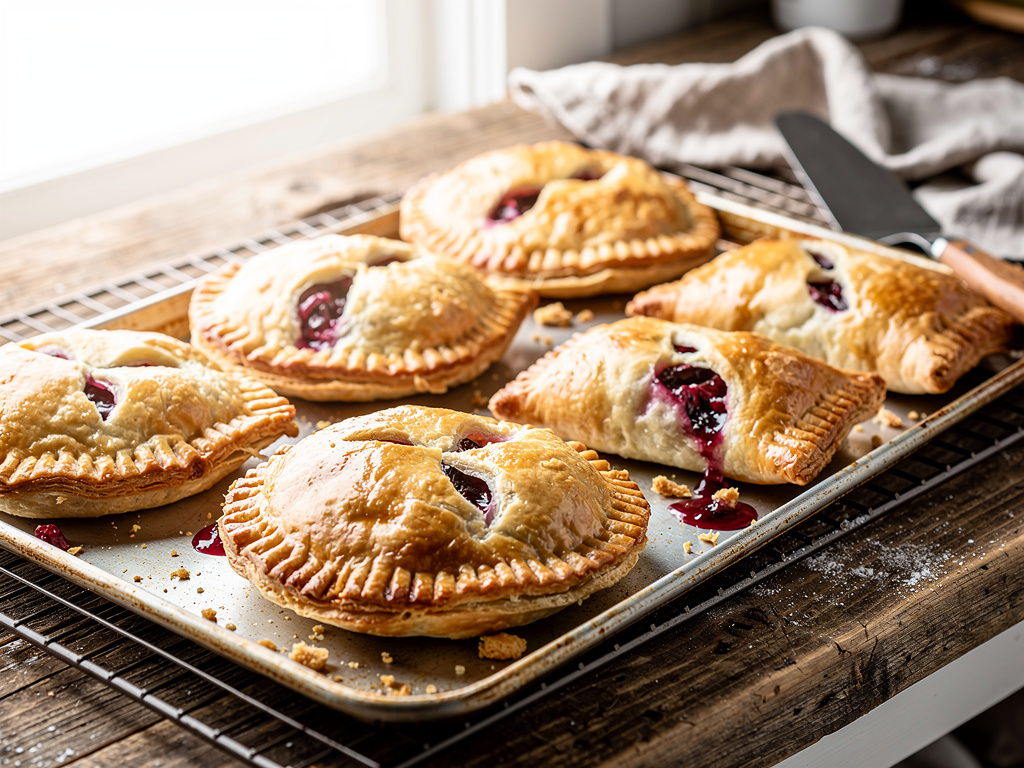


Hand pies and fruit turnovers are the perfect grab-and-go bake: flaky pastry wrapped around a sweet fruit filling, portioned for one, portable, and endlessly appealing at markets and pop-ups. They're also a strong cottage food product, because fruit-filled pastries are often shelf-stable and cottage-legal (unlike their cream- and custard-filled cousins). If you love working with pastry and want a product that sells well by the piece, travels well, and fits cottage food law, hand pies deserve a look. This guide covers how to sell hand pies and fruit turnovers from home: the filling rules that determine legality, the flavors and formats that sell, how to keep pastry great through transport, and how to price and build the business.
Important: Whether a hand pie or turnover is cottage-food-legal depends on your state's rules AND the filling. Fruit fillings are often shelf-stable and permitted (many states allow fruit pies), while cream, custard, and certain other fillings are perishable TCS foods that generally are NOT cottage-legal. Some states also have specific rules about pies. This article is general information, not legal advice, verify your state's cottage food rules with your health department before selling.
The short version: Hand pies and fruit turnovers are individual pastries filled with fruit, portable, giftable, and often cottage-legal. Legality depends on your state's rules and the filling: fruit fillings are usually shelf-stable and permitted (many states allow fruit pies), while cream and custard fillings are perishable and generally NOT cottage-legal. To sell them, stick to shelf-stable fruit fillings (where operating under cottage food law), offer appealing flavors and formats, keep the pastry flaky through good packaging and fresh timing, price for the handmade quality, and sell by the piece at markets, pop-ups, and online. Verify your state's rules, then lean into the portable, single-serve appeal.
This guide covers the filling rules, flavors and formats, keeping pastry great, and pricing and building the business.
The filling rules determine legality because fruit fillings are often shelf-stable and permitted while cream and custard fillings are perishable and generally not, so the filling decides whether your hand pie is cottage-legal. Choose shelf-stable fruit fillings.
The filling distinction:
Other considerations:
Why this matters most:
The key to selling hand pies and turnovers legally is understanding that the filling determines everything. Fruit fillings are often shelf-stable and permitted, many states allow fruit pies under cottage food law, so fruit hand pies and turnovers are frequently cottage-legal. But cream, custard, and similar fillings are perishable TCS foods that require refrigeration and generally aren't cottage-legal, so those versions would need a licensed kitchen. The same-looking pastry can be legal or not depending entirely on what's inside. So stick to shelf-stable fruit fillings if you're operating under cottage food law, and verify your state's specific pie rules and which fillings qualify, since some states have particular provisions. Understanding your permits and rules is part of setting up properly, which the U.S. Small Business Administration's guidance on licenses and permits helps orient. Choose your fillings for compliance first.
The hand pies and turnovers that sell best combine classic and seasonal fruit fillings with appealing single-serve and giftable formats. Variety plus portability drives sales.
Fruit fillings that sell:
Formats that sell:
Why variety and format matter:
The best-selling hand pies and turnovers pair crowd-pleasing fruit fillings with the portable, single-serve formats that make them special. Anchor your line with classics, apple, berry, cherry, peach, which reliably sell, then add seasonal fruits (pumpkin where legal, cranberry) for timely variety. The single-serve hand pie is the format's sweet spot, portable, individual, and perfect for markets and grab-and-go, while turnovers offer a familiar, beloved shape. Offer variety packs and gift boxes to let customers sample multiple flavors and give assortments, and by-the-dozen options for events and stocking up. The combination of reliable classic fillings, exciting seasonals, and portable, giftable formats gives you a product line that sells beautifully by the piece at markets, pop-ups, and online, and keeps customers coming back for more.
You keep hand-pie pastry great by baking close to sale, packaging to protect the flaky texture without trapping steam, and handling them gently, since flaky pastry is the whole appeal and it's fragile. Fresh and protected is the goal.
Keeping the pastry flaky:
Protecting them in transport:
Guiding customers:
The whole appeal of a hand pie is flaky pastry, so keeping that texture great through transport is the key quality challenge. Bake close to sale (hand pies are best fresh), cool them before packaging (packaging warm traps steam that softens the crust), and use packaging that protects the flaky texture without crushing it or trapping moisture. Handle them gently, flaky pastry is fragile, and transport them level and secure so they don't get crushed or slide. Because a juicy fruit filling can soften pastry over time, fresh timing and good technique matter. Guide customers to eat them fresh and to reheat briefly in the oven (not the microwave) to refresh flakiness. General food-safety and labeling principles, like those in the U.S. Food and Drug Administration's food labeling resources, are useful background. Fresh baking plus protective packaging keeps your hand pies flaky and appealing all the way to the customer.
You price hand pies for their handmade, single-serve quality and build the business by selling by the piece across markets, pop-ups, and online, leveraging their portable, giftable appeal. Play to the grab-and-go strength.
How to price hand pies:
How to build the business:
Why hand pies suit this model:
Hand pies reward pricing for their handmade quality and building a business around their portable, single-serve strength. Price them per piece for the real pastry work and individual convenience they represent, not like a cheap snack, with pack and box pricing for multiples and gifts, and premium pricing for specialty fillings. Build the business around their grab-and-go appeal: farmers markets and pop-ups are ideal (portable, impulse-friendly, sample-able), plus events, gift boxes, and local online orders with pickup or delivery. Push seasonal flavors, apple in fall, berry in summer, to keep the line fresh and timely. Managing pricing and channels well is part of running your business, which the U.S. Small Business Administration's guidance on managing your business supports. Because fruit hand pies are cottage-legal, portable, giftable, and impulse-friendly, they suit a strong by-the-piece, multi-channel business, so build around those strengths.
Selling hand pies across markets, events, and local online orders means managing offerings and orders cleanly, which a real storefront makes easy. Homegrown is $10 a month with no percentage fees beyond standard payment processing, and it gives you a storefront to present your hand pies and take orders.
How it compares to the alternatives:
What Homegrown does well: a storefront to present your hand-pie flavors and gift boxes, take orders with local pickup and delivery (ideal for fresh pastry that's best local), all at a low flat cost, with a fifteen-minute setup. When you're ready to sell hand pies, you can set up your storefront today.
The biggest mistakes are using perishable fillings under cottage food law and letting the pastry go soggy or stale. Because fruit fillings keep you legal and flaky pastry is the appeal, the errors that matter most involve fillings and freshness.
Mistakes to avoid:
Getting these right means using shelf-stable fruit fillings, verifying your rules, keeping pastry fresh and protected, and pricing for the handmade quality.
It depends on your state's rules and, critically, the filling. Fruit-filled hand pies and turnovers are often cottage-legal, many states allow fruit pies under cottage food law since cooked fruit fillings are often shelf-stable. However, cream, custard, and similar fillings are perishable TCS foods that require refrigeration and generally are NOT cottage-legal, so those versions would need a licensed kitchen. The same-looking pastry can be legal or not depending on the filling. Some states also have specific provisions about pies. So stick to shelf-stable fruit fillings under cottage food law, and verify your state's specific pie rules and which fillings qualify with your health department. This is general information, not legal advice.
Because it comes down to perishability. Cooked fruit fillings, especially higher-sugar ones, are often shelf-stable and safe at room temperature, which is why many states permit fruit pies under cottage food law. Cream and custard fillings, on the other hand, are made from dairy and eggs, which are perishable and require refrigeration, making them TCS (time/temperature-control-for-safety) foods that generally fall outside cottage food law. So a fruit hand pie can be shelf-stable and cottage-legal, while a cream- or custard-filled one is perishable and generally isn't. It's not about the pastry, it's about whether the filling is shelf-stable. Always verify which specific fruit fillings your state permits, since some have particular provisions.
Anchor your line with classic fruit fillings that reliably sell: apple (the timeless favorite, great in fall and year-round), berry (blueberry, strawberry, mixed, popular and colorful), cherry, and peach (a summer favorite). Add seasonal fruits, pumpkin where cottage-legal, cranberry, tied to the time of year for timely variety, and consider regional or specialty fruits for distinctive appeal. The winning approach is reliable classics plus rotating seasonals, which keeps your offerings fresh and gives customers reasons to return. Offer variety packs so customers can sample multiple flavors, and gift boxes for assortments. Match these flavors to the portable single-serve format that makes hand pies perfect for markets and grab-and-go.
Bake close to sale, cool before packaging, and use good technique and packaging. Hand pies are best fresh when the pastry is flakiest, so bake as close to selling as practical. Cool them fully before packaging, packaging warm traps steam that softens the flaky crust. Use packaging that protects the pastry without trapping moisture (which causes sogginess), and don't seal them while warm. Good baking technique, properly cooked filling, sealed edges, and thorough baking, minimizes the filling softening the crust. Guide customers to eat them fresh and reheat briefly in the oven (not the microwave, which can make pastry soggy or tough) to refresh flakiness. Fresh timing plus the right packaging keeps pastry crisp.
Price them for their handmade, single-serve quality, not like a cheap mass-produced snack. Calculate your cost per pie (pastry and filling ingredients, packaging, labor, since pastry work is real labor, and overhead), then price per piece with a healthy margin that reflects the handmade quality and single-serve convenience. Offer pack and box pricing for multiples and gifts, and premium pricing for gourmet or specialty fillings. Hand pies are individual, handmade pastries with real craft, and customers value the portable, grab-and-go convenience, so price for that value. Don't underprice them; the single-serve format and handmade quality support fair, even premium, per-piece pricing, especially at markets where they're impulse-friendly.
Lean into their portable, grab-and-go strength. Farmers markets and pop-ups are ideal, hand pies are portable, individual, and impulse-friendly, so they sell beautifully by the piece (offer samples). Also sell at events and for catering (individual pastries suit gatherings), as gift boxes and assortments (leveraging giftability), and through local online orders with pickup or delivery (fresh pastry is best local, though shipping may be possible where permitted). Push seasonal flavors tied to the time of year. Because fruit hand pies are cottage-legal, portable, giftable, and impulse-friendly, they suit a strong multi-channel, by-the-piece business. Build around markets and grab-and-go, add gift and event channels, and rotate seasonal flavors to keep customers returning.
Hand pies and fruit turnovers are a portable, giftable, and often cottage-legal product, as long as you stick to shelf-stable fruit fillings (not perishable cream or custard). Verify your state's pie rules, keep the pastry flaky through fresh baking and protective packaging, price for the handmade quality, and sell by the piece at markets and beyond. And to present your hand pies and take orders professionally, set up a Homegrown storefront built for local food vendors.



