
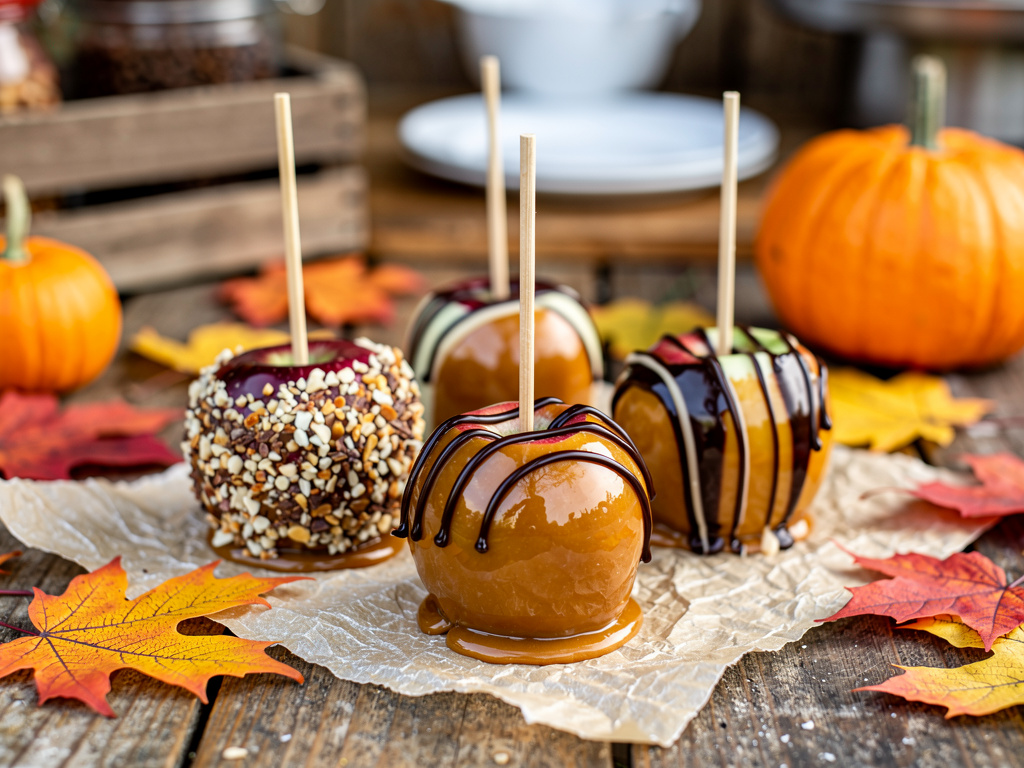


Caramel and candy apples are the quintessential fall treat: festive, nostalgic, and tied to the exact season, apple harvest and Halloween, when people most want them. But they come with a serious catch most cheerful how-to guides skip. A whole apple on a stick, coated in caramel and left at room temperature, can grow dangerous bacteria, and that safety reality shapes everything about how, and whether, you can legally and safely sell them from home. This guide walks through selling caramel and candy apples from home, the food-safety must-knows, the legal picture, and how to sell a perishable seasonal product.
The short version: Caramel apples are a strong seasonal fall product, but they carry a real, documented food-safety risk: inserting a stick into a whole apple traps juice under the caramel, where Listeria can grow if the apple sits at room temperature. The fix is refrigeration, keep finished apples cold and hold them at room temperature only briefly. Because they use fresh fruit and often need refrigeration, caramel apples sit in a cottage-food gray area and are excluded or restricted in many states, so confirm yours. Wash the wax off your apples so the caramel sticks, price plain apples around $5 to $10 and gourmet ones higher, and sell them fresh and local through tight pickup windows, never long-distance shipping. Homegrown gives you the pre-order and pickup tools that fit this perishable product, but you handle the safety and the legality.
This guide covers the seasonal appeal, the safety risk, the legal picture, making them, pricing, selling, and mistakes. This is general information, not legal or food-safety advice.
Caramel and candy apples are a great fall product because demand is tightly tied to apple-harvest season and Halloween, giving you a concentrated, festive, nostalgic selling window. People associate them with autumn, so they sell themselves during a short, predictable stretch.
Why the timing works so well:
The flip side is that this is an intensely seasonal, perishable product, so you plan for a short, busy window rather than year-round sales. The takeaway: caramel apples ride a built-in seasonal wave of demand, which makes them a strong fall push if you're ready for the safety and perishability. The rule is to treat them as a concentrated seasonal product, planning production and sales around that September-to-Halloween window, much like other seasonal fall products.
Yes, and it's a serious one you must understand before selling: inserting a stick into a whole apple pushes juice to the surface under the caramel, creating conditions where Listeria bacteria can grow if the apple is held at room temperature. This is a documented, real risk, not a theoretical one, and refrigeration is the mitigation.
What you need to know:
The takeaway: caramel apples are safe only when kept cold, so refrigeration isn't optional, it's the core of selling them responsibly. The rule is to keep finished apples refrigerated and minimize their time at room temperature, because a caramel apple left out on display is a genuine safety hazard, part of your broader food safety practices.
Whether you can legally sell caramel apples from home depends heavily on your state, because they combine fresh fruit with a coating that can require refrigeration, which puts them in a gray area that many cottage food laws exclude or restrict. This is a case where you absolutely must check your own state's rules first.
What the legal picture looks like:
The takeaway: caramel apples are legally trickier than shelf-stable candies precisely because of their fresh fruit and refrigeration needs, so eligibility is a real question, not a formality. The rule is to confirm your state allows them, and under what license, before you make a single one to sell, the same starting point as any cottage food business.
You make caramel apples that hold together by washing the wax off the apples and drying them completely before dipping, because grocery-store apples are usually waxed and both wax and moisture stop caramel from adhering. Skipping this step is why so many homemade caramel apples end up with the coating sliding right off.
The key prep steps:
The takeaway: clean, wax-free, bone-dry apples are the foundation of a caramel apple that actually holds together and looks professional. The rule is to always de-wax and dry your apples before dipping, since it's the single step that separates a beautiful apple from a sliding, messy one.
You price caramel apples by their level of decoration: plain caramel apples commonly sell for around $5 to $10, while gourmet, heavily-topped versions sell for $10 to $20 or more. Price on your real cost of apples, caramel, toppings, packaging, and labor, then position by how elaborate the apple is.
Here's a market-anchored pricing picture, drawn from real vendor examples:
| Type | Typical price | Notes |
|---|---|---|
| Plain caramel apple | ~$5 to $10 | Simple caramel dip |
| Gourmet, topped | ~$10 to $20 | Nuts, drizzle, candy coatings |
| Premium or custom gift | $20+ | Elaborate, boxed, or mail-order style |
How to build your price:
The takeaway: plain apples anchor near $5 to $10 and gourmet apples climb well past that, so price by decoration and always include your labor. The rule is to charge for the work a gourmet apple takes, since the decoration is exactly what customers pay a premium for.
You sell caramel apples through models built around a short, cold, local window: tight pickup windows, single-day farmers markets with apples kept in a cooler, and pre-orders for a set date, never open-ended shelf stock or long-distance shipping. Because the safe holding time is short and refrigeration is required, your selling method has to keep the apples cold and moving fast.
The selling approaches that fit:
The takeaway: caramel apples demand a cold, local, made-to-order sales model, which a pre-order-and-pickup approach handles perfectly. The rule is to sell fresh, cold, and local, never shipped, using a pre-order system so you make to demand and keep the apples safe.
The caramel apple mistakes that matter most are leaving apples at room temperature, skipping the wax removal, assuming they're cottage-food legal, and over-producing a perishable product. The first is a safety issue, and the rest cost you quality, legality, or money.
The mistakes to avoid:
The takeaway: the mistakes range from a genuine safety hazard to wasted product, and all are avoidable with cold storage, proper prep, legal checks, and made-to-order production. The rule is to keep them cold, keep them local, and confirm they're legal where you are before you sell.
Because caramel apples have to stay cold and sell fast, the ideal way to sell them is by pre-order with a set local pickup window, which is exactly the model a simple storefront makes easy. Homegrown is a $10-per-month online storefront, with no percentage fees beyond standard payment processing, built for made-to-order, local, pre-order selling.
You list your plain and gourmet apples, open a pre-order window ahead of the fall season, and take payment at order time, so you make apples against confirmed orders and have customers pick them up cold within a defined window. That keeps the apples refrigerated until the last moment and means you never over-produce a perishable. Because your storefront keeps clean records, you also learn which styles sell, so you plan next fall's production better. A flat monthly price means a busy Halloween season isn't eaten by per-sale percentage fees stacking up on every apple, the way they would on a marketplace like Etsy.
To be clear about what Homegrown does not do: it does not make your apples safe, refrigerate them, or make your product legal in your state. Food safety and your state's rules are your responsibility, and caramel apples require real cold-handling care and a legal check. What Homegrown gives you is the pre-order and local-pickup flow that fits a cold, perishable, seasonal product, so the selling runs smoothly while you handle the safety. If caramel apples are legal for you to sell, set up your Homegrown storefront and open your fall pre-orders.
They can be, but only with strict refrigeration, because inserting a stick into a whole apple traps juice under the caramel where Listeria bacteria can grow if the apple sits at room temperature. This is a documented risk that has caused real outbreaks. To sell them safely, keep finished apples refrigerated at about 41 degrees or below, minimize their time at room temperature, and never leave them out on display for hours. Listeria is especially dangerous for pregnant, elderly, and immunocompromised people, so cold handling isn't optional, it's the core of selling caramel apples responsibly.
Often not, or only under restrictions, because caramel apples combine fresh fruit with a coating that can require refrigeration, which puts them outside the shelf-stable, non-hazardous foods most cottage food laws allow. Many states exclude or restrict refrigerated and fresh-fruit products from home-kitchen exemptions, and some permit them only under a different license or permit tier. Because it varies significantly by state, you must check your own state's cottage food agency and ask specifically whether caramel apples are allowed and under what conditions before you sell any.
Almost always because of wax or moisture on the apple. Most grocery-store apples are coated in wax for shine and shelf life, and caramel won't stick to wax. The fix is to wash the apples in hot water to strip the wax, then dry them completely, since any surface moisture also prevents the caramel from adhering. Clean, wax-free, thoroughly dried apples are the foundation of a caramel apple that holds together and looks professional. Skipping this step is the number-one reason homemade caramel apples end up with the coating sliding off.
Plain caramel apples commonly sell for around $5 to $10, while gourmet, heavily-topped versions with nuts, drizzle, and candy coatings sell for $10 to $20 or more, and premium or custom gift versions higher still. Price on your real cost, the apple, caramel, toppings, stick, wrapping, and a real hourly rate for your dipping and decorating time, then add a margin. Charge more for elaborate apples, since the decoration takes more time and materials. Treat these as market ranges to position against, and confirm your pricing against local sellers in your area.
No, you shouldn't ship caramel apples. They're a perishable, refrigeration-required product made with fresh fruit, and shipping exposes them to time and temperatures that make them unsafe and cause them to deteriorate. Instead, sell them fresh and local: through pre-orders with a set local pickup window, single-day farmers market sales with the apples kept in a cooler, or local delivery. This keeps the apples cold and gets them to customers quickly, which is essential for both safety and quality. Caramel apples are a local, made-to-order product, not a mail-order one.
Fall, specifically from around September through Halloween, when apple harvest season and autumn demand align. This is a concentrated seasonal product, so plan for a short, busy window rather than year-round sales. Open pre-orders ahead of the season, and market them as the nostalgic fall treat they are. Because they're perishable and must stay refrigerated, make them close to your pickup or market dates rather than building inventory. Treating caramel apples as an intense seasonal push, with production and sales planned around that fall window, is the way to sell them well and safely.
Caramel and candy apples are a beloved fall product with a real safety responsibility attached. Sell them only if they're legal where you are, keep them refrigerated, prep your apples right, and sell them fresh and local through pre-orders. Start your Homegrown storefront and take your fall caramel apple pre-orders the safe, local way.



