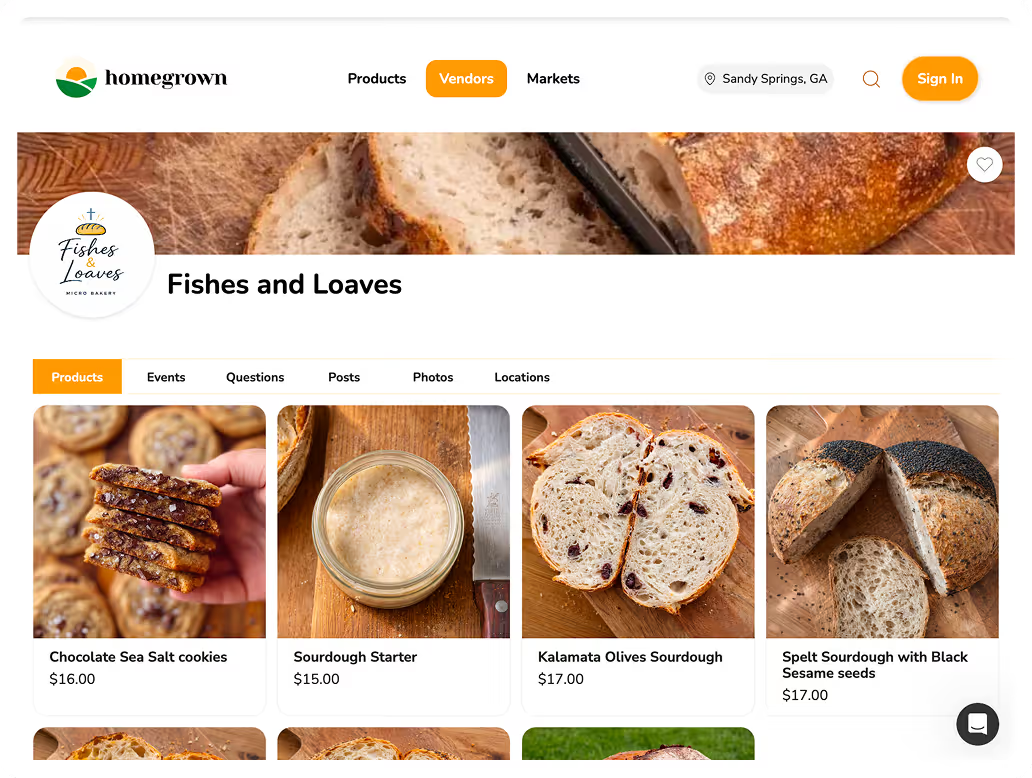


You sell your products at the farmers market every weekend. Maybe you take a few online orders through your Homegrown storefront. Things are going well enough, but one rained-out market or one slow month and your income takes a real hit.
That is the problem with relying on a single revenue stream. When it dips, everything dips. And for small cottage food vendors, those dips happen more often than anyone likes to admit.
The short version: A second revenue stream food vendor strategy protects your income, smooths out seasonal dips, and helps you grow without doubling your market hours. The best second streams build on what you already make and sell — subscription boxes, cooking classes, catering small events, wholesale to local cafes, holiday bundles, and custom orders. Start with one stream, test it for 30 days with your existing customers, and only commit if it proves worth the effort. You do not need to become a different business. You just need more than one way to get paid for the work you are already doing.
Relying on a single income source puts your entire food business at risk every time something goes wrong. And in this business, things go wrong regularly.
Here are the most common income disruptions cottage food vendors face:
Multiple revenue streams smooth out these swings. When the market is slow, your subscription orders still come in. When subscriptions dip in summer, your catering gigs pick up. Vendors with two or more revenue streams report more consistent monthly income and less financial stress than those relying on a single channel.
Each of these streams works for small, part-time vendors. You do not need a commercial kitchen or a huge budget to get started. Pick the one that fits your products, your schedule, and your customers.
A weekly subscription box turns one-time market customers into recurring revenue. Customers sign up, you pack a box of your products each week, and they pick it up or you deliver it.
This works especially well for bakers, jam makers, and vendors with a rotating product line. You can offer a "baker's choice" box where you pick the items, which gives you flexibility to use whatever you made that week. Subscriptions also help you forecast demand — you know exactly how many orders you are filling before you start baking.
The startup cost is low. You need packaging, a simple ordering system, and a way to communicate the weekly menu. Your Homegrown storefront makes it easy to set up recurring ordering so customers can subscribe without calling or texting you each week. For a deeper look at structuring and pricing subscription boxes, see our guide on weekly subscription baked goods for home bakers.
Teaching a class lets you earn from your knowledge, not just your products. You already know how to make everything you sell. Other people want to learn how.
In-person classes work great for hands-on skills — decorating cookies, making pasta from scratch, canning jams. You can host them at your home, a community center, or a rented kitchen space. Charge $40 to $75 per person for a two-hour class, and a group of eight people turns into $320 to $600 for a single session.
Online classes scale even further. Record a video, package it as a digital course, and sell it repeatedly with zero additional prep time after the first recording. You do not need fancy production — a clear camera angle, good lighting, and your genuine teaching style are enough.
Digital products cost almost nothing to create and can sell indefinitely. If customers constantly ask for your recipes, that is a signal there is demand.
You can sell individual recipe cards at your booth for $2 to $5 each, or bundle 10 to 20 recipes into a digital recipe book and sell it for $10 to $25. Include tips, ingredient substitutions, and the tricks that make your version special.
Print recipe cards double as marketing. Put your business name and your Homegrown storefront URL on every card. Every recipe card someone takes home is a reminder that you exist.
Small event catering fills a gap that big catering companies ignore. Birthday parties for 15 people, baby showers for 20, office lunches for 12 — these events are too small for most caterers but perfectly sized for a cottage food vendor.
You do not need to offer a full catering menu. Specialize in what you already make. If you bake pies, offer a "pie bar" for parties. If you make salsas and dips, offer a "snack spread" package. Price it as a flat rate plus a per-person fee, and set a minimum order size so it is worth your time.
Catering also introduces your products to new people. Every guest at that birthday party just tried your food. Include a small flyer with your ordering information. One catering gig can generate five to ten new regular customers.
Wholesale gives you predictable, repeating orders without having to stand behind a booth. Local coffee shops, cafes, and breakfast spots often want locally made baked goods, jams, granola, or snacks — and they would rather buy from a local vendor than a distributor.
Start by visiting two or three local shops and asking the owner if they buy from local vendors. Bring samples. Wholesale pricing is typically 50 percent of your retail price, so make sure your margins work before committing. If you sell a loaf of bread for $8 at the market, you would wholesale it for $4.
The volume makes up for the lower per-unit price. A coffee shop ordering 20 loaves a week at $4 each is $80 in guaranteed weekly revenue — no booth setup, no weather worries, no slow foot traffic.
Holiday and seasonal bundles generate a surge of revenue during peak gifting periods. Customers who might never buy your products for themselves will buy them as gifts.
Create themed boxes for major holidays — a Valentine's Day cookie box, a Mother's Day jam and scone set, a Christmas baking gift basket. Price them at a premium compared to buying items individually. A $35 gift box that contains $25 worth of products at retail is a fair deal for the customer and a better margin for you.
Start marketing these four to six weeks before the holiday. Take pre-orders through your Homegrown storefront so you know exactly how many to make. Pre-orders eliminate waste and let you buy ingredients in bulk.
Branded merchandise turns your customers into walking advertisements. Tote bags, aprons, stickers, magnets, and t-shirts with your logo or a catchy phrase related to your products create brand recognition beyond the market.
Stickers and magnets can be printed for $0.50 to $2 each and sold for $3 to $5. Tote bags cost $5 to $8 to produce and sell for $15 to $20. Start with one or two items that make sense for your brand and test how they sell at the market.
Merchandise also works as add-ons to gift boxes and subscription orders. Toss a sticker in every order as a free bonus, or offer a branded tote bag as a packaging upgrade for gift purchases.
Partnering with complementary local vendors creates income without creating new products. If you sell jam, partner with a bread vendor. If you sell cookies, partner with a local coffee roaster. Recommend each other's products and split the referral revenue.
This can be as simple as a "we love" card at your booth with a discount code for the partner vendor, where you earn a small commission on every sale. Or create a bundle — your cookies plus their coffee — and split the revenue.
The key is choosing partners whose products complement yours without competing. A jam maker and a cheese maker are a natural fit. Two jam makers are not. The best vendor partnerships feel like a recommendation from a friend, not a sales pitch.
Meal kits let you sell convenience, not just food. Customers get pre-portioned ingredients and simple instructions to make a meal at home. You do the prep work — washing, chopping, measuring, and packaging — and they do the final cooking.
This works well for vendors who already make soups, stews, pasta dishes, or ethnic foods. Package the ingredients with a recipe card, price it at $15 to $30 depending on the meal and serving size, and offer it as a weekly or bi-weekly option.
Meal kits work especially well as an add-on to your existing ordering system. For more on setting this up, see our guide on meal kit subscriptions for local food vendors.
Custom orders command higher prices because customers are paying for personalization. A standard dozen cookies sells for $15. A custom-decorated dozen for a birthday party sells for $30 to $45.
The premium is justified because custom work requires more time, more skill, and more communication with the customer. You are not just selling a product — you are solving their specific need.
Set clear boundaries around what you will and will not customize, your lead times, and your pricing. Require deposits for all custom orders. And be honest about your capacity — taking on too many custom orders burns you out fast. For guidance on managing custom work, read our article on setting expectations for custom orders.
The best second revenue stream builds on skills you already have, products you already make, and customers who already trust you. Do not pick the stream that sounds most exciting. Pick the one that fits.
Here is a comparison to help you decide:
| Revenue Stream | Effort Level | Startup Cost | Income Potential | Best For |
|---|---|---|---|---|
| Weekly subscription boxes | Medium | $50-$150 | $200-$800/month | Bakers, jam makers, rotating products |
| Teaching classes | Medium | $0-$200 | $300-$600/session | Skilled bakers, pasta makers, canners |
| Recipe cards/digital books | Low | $20-$100 | $50-$300/month | Vendors with "secret recipe" demand |
| Small event catering | High | $100-$300 | $300-$1,000/event | Vendors with transportable products |
| Wholesale to cafes | Medium | $0-$50 | $200-$500/month | Bakers, granola, jam, snack vendors |
| Holiday gift boxes | Medium | $100-$250 | $500-$2,000/season | Any vendor with giftable products |
| Branded merchandise | Low | $100-$500 | $50-$200/month | Vendors with strong brand identity |
| Partner deals | Low | $0-$50 | $50-$200/month | Any vendor with complementary partners |
| Pre-made meal kits | High | $100-$300 | $300-$800/month | Soup, stew, pasta, ethnic food vendors |
| Custom orders | High | $0-$100 | $200-$600/month | Cake decorators, specialty bakers |
Use these three filters to narrow your choice:
Start with one stream, test it for 30 days, and only commit if the numbers work. The biggest mistake vendors make is launching two or three new things at once and doing all of them poorly.
Here is a step-by-step approach:
For small food vendors, the U.S. Chamber of Commerce recommends that businesses diversify income sources to protect against seasonal and economic downturns. And research on seasonal businesses shows that vendors with multiple revenue channels during off-peak months maintain steadier cash flow year-round.
Adding a second revenue stream only works if you do not also add a second ordering system. When subscriptions come through one app, pre-orders through text, and custom orders through DMs, you have tripled your management, not your revenue.
Homegrown is $10/month with no commission, plus card processing of 2.9% + $0.30 per order. Subscriptions, pre-orders, one-time purchases, and custom orders all live on one page. A customer can subscribe to your weekly baker's box and add a holiday gift bundle in the same checkout. You see everything in one dashboard instead of checking four platforms.
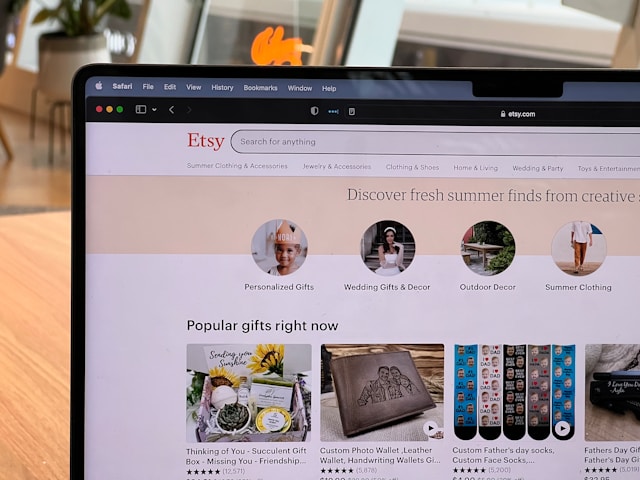
Compare that to running subscriptions through Patreon while taking pre-orders through Instagram DMs and custom orders through text. Or Etsy, where you pay 6.5% of every sale and the platform has no recurring order functionality for local food vendors. Or Square Online, where you pay 3.3% plus 30 cents per transaction and need a separate subscription tool on top.
Homegrown does not tell you which revenue stream to launch or design your subscription box — that is your product and your customer research. But it keeps every stream flowing through one system, which is the difference between diversifying income and drowning in logistics.
Do not overcommit. If you are already feeling stretched, read our guide on avoiding overcommitting with custom orders in your food business before adding anything new. A second revenue stream should reduce stress, not add to it.
Once your pricing is dialed in, make ordering and payment effortless. The easiest way to take local orders and get paid is an online storefront — see the best platform to sell food from home, or set up a Homegrown storefront in about 15 minutes ($10/mo, 0% commission).
Selling recipe cards or digital recipe books is the easiest second revenue stream for most food vendors. The startup cost is under $100, you can create them once and sell them repeatedly, and they require almost no ongoing production time. If customers already ask you for recipes, you have proven demand before you even start.
Most cottage food vendors earn an additional $200 to $800 per month from a well-run second revenue stream. The exact amount depends on the stream you choose and how much time you invest. Subscription boxes and small event catering tend to generate the most revenue, while recipe cards and merchandise bring in smaller but more passive income.
In most states, your existing cottage food license covers additional products and services as long as they fall within your state's allowed food categories. However, if you start teaching paid classes, catering events, or selling non-food merchandise, you may need additional permits or insurance. Check your state's cottage food laws before launching.
Yes. Most of the second revenue streams listed here — subscription boxes, recipe cards, holiday gift boxes, merchandise, partner deals, and custom orders — can all operate under a cottage food license from your home kitchen. Wholesale to cafes and small event catering may require a commercial kitchen depending on your state's regulations and the volume involved.
Price your second stream products the same way you price your primary products — calculate your ingredient costs, packaging, and labor time, then add a profit margin. For wholesale, expect to sell at 50 percent of retail. For custom orders, add a 25 to 50 percent premium over standard pricing. For digital products like recipe books, price based on customer value, not production cost, since digital products have near-zero marginal cost after creation.
Launch during your slow season. You will have more time to test and adjust without risking your peak-season income. A slow season launch fills the exact gap you are trying to fill — the months when your primary sales drop. By the time your busy season arrives, your second stream will be running smoothly and you can decide whether to scale it up or dial it back.
Track three numbers every month: total revenue from the new stream, total time spent on it, and your effective hourly rate. Divide the revenue by the hours. If your effective hourly rate is at least 75 percent of what you earn from your primary products, it is working. If it is significantly lower, raise your prices, reduce your time investment, or cut the stream and try a different one.