
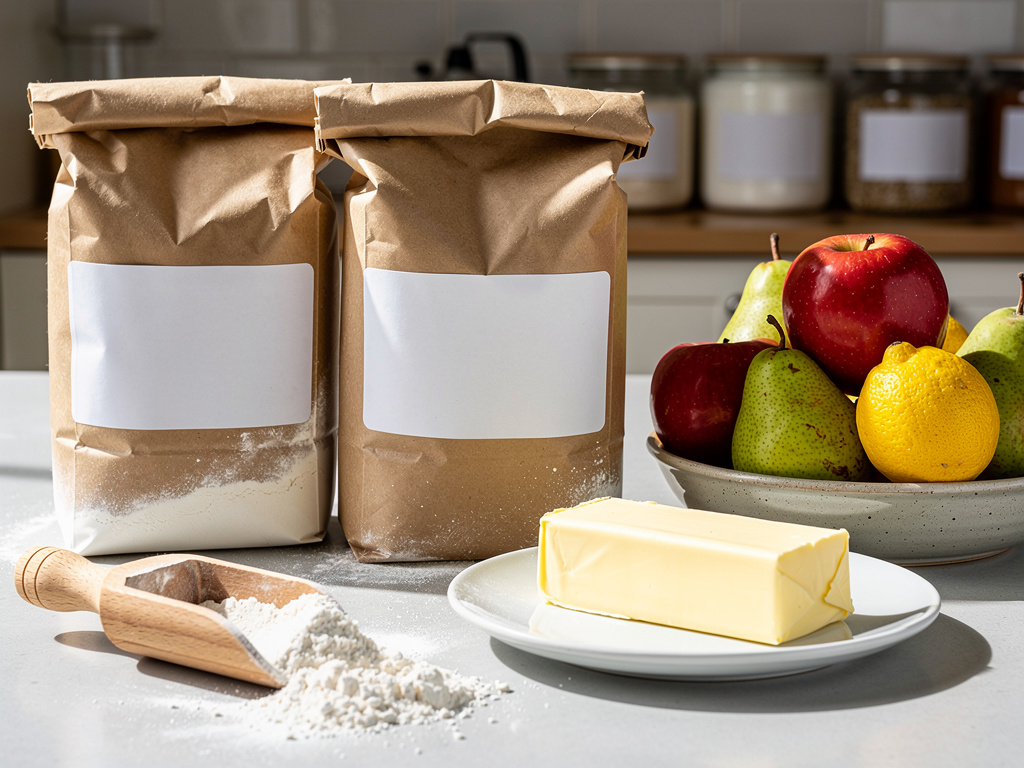


If you're paying sales tax on the flour, sugar, and butter that go into the cakes you sell, you may be paying tax you don't owe. A resale certificate lets a registered food business buy the ingredients that become part of its products without paying sales tax at purchase, because the tax gets collected once, from your customer, at the final sale. It's a legitimate, common tool, but it comes with a firm prerequisite and firm limits on what it covers. This guide explains resale certificates and how to buy ingredients tax-free for resale, without stepping over the lines that carry real penalties.
The short version: A resale certificate lets you buy items you'll resell, including ingredients that become part of what you sell, without paying sales tax at purchase. To use one, you generally must first register with your state for a sales tax or seller's permit. You give the completed certificate to your supplier, who then doesn't charge you sales tax on qualifying purchases. It covers true resale items like ingredients, not equipment or cleaning supplies, and packaging is a state-by-state gray area. Misusing it carries penalties, and the rules vary by state, so confirm with your state's Department of Revenue.
This guide covers what a resale certificate is, what it covers, the permit you need first, how to use it, packaging, penalties, and whether cottage food and part-time vendors qualify. This is general information for food vendors, not tax advice.
A resale certificate is a document you give a supplier so they don't charge you sales tax on items you're going to resell, because the sales tax will be collected later when your customer buys the finished product. The idea is that sales tax should be paid once, by the end consumer, not twice along the way.
Here's the logic behind it:
California's tax authority describes a resale certificate as documentation that lets registered sellers avoid sales tax when buying items they plan to resell, in its guide to resale certificates. The takeaway: a resale certificate isn't a loophole, it's the normal mechanism that keeps sales tax from stacking up at every step, and it applies specifically to what you genuinely resell.
You can buy items for resale tax-free, which for a food business means ingredients that become part of the products you sell, but not the equipment, tools, or supplies you use up running the business. The line is whether the item ends up in the customer's hands as part of your product.
What generally qualifies:
What generally does not qualify:
Here's the split at a glance for a typical food vendor:
| Purchase | Resale-eligible? |
|---|---|
| Flour, sugar, butter, fruit (ingredients in your product) | Usually yes |
| Oven, mixer, sheet pans (equipment you use) | No |
| Cleaning supplies, gloves, parchment you use up | No |
| Boxes, bags, jars the food is sold in | Gray area, varies by state |
| Ingredients for a product you make and eat yourself | No |
The key test is simple: if the item physically becomes part of what your customer buys, it's likely a resale purchase, and if you use it up in the process, it isn't. Using a resale certificate on things you don't actually resell is misuse, which the penalties section covers. The rule: buy your product's ingredients tax-free, pay tax on the tools and supplies you consume. For how these purchases and sales flow onto your return, see the guide on reporting food sales on Schedule C.
Yes. In almost every state you must first register with your state's Department of Revenue for a sales tax permit, sometimes called a seller's permit, before you can get or use a resale certificate. The certificate relies on your state registration number, so registration comes first.
The typical sequence is:
This is why a resale certificate is tied to being a registered, tax-collecting business, not something any buyer can use. It also means getting your business properly set up comes first, which connects to decisions like whether you need an LLC to sell food from home and getting an EIN as a sole proprietor food vendor. The crisp rule: register with your state first, then the resale certificate is a tool you're entitled to use.
You use a resale certificate by filling it out and giving it to your supplier, who then keeps it on file and stops charging you sales tax on qualifying purchases. In many cases one certificate covers all your future purchases from that supplier, rather than needing to be presented every time.
How it works in practice:
Texas, for example, provides its own resale certificate form and expects sellers to keep the documentation on file, as its resale certificate FAQ explains. In practice it looks like this: the first time you buy flour from a restaurant supply store for your business, you hand them a completed resale certificate, they file it, and from then on your qualifying ingredient purchases from that supplier come through without sales tax added. You keep your own copy in your records in case your state ever asks. The takeaway: fill it out once per supplier, keep a copy, and your qualifying ingredient purchases stop getting taxed.
Packaging is a genuine gray area that depends on your state and on what the packaging does, so it's the one category you can't assume either way. In many states, containers and materials that physically hold the product and go home with the customer can qualify, while items that don't become part of the sale often don't.
The general pattern, which varies by state:
The rule: packaging that goes home as part of the sale may be exempt, but confirm your state's treatment before claiming it. This is the category most likely to trip you up, so when in doubt, check with your state Department of Revenue rather than guessing.
Misusing a resale certificate, meaning using it to buy tax-free things you don't actually resell, carries real penalties, not just a correction. States treat it as a genuine violation because it's essentially claiming an exemption you're not entitled to.
What misuse can cost you:
The takeaway: only use a resale certificate for genuine resale purchases, because the tax you'd save on non-resale items is far smaller than the penalty for claiming them. The rule: when you're not sure an item qualifies, pay the tax rather than risk the misuse penalty, and confirm the category with your state.
Generally yes, if you're registered with your state as a seller, but it depends on your state, and a cottage food license is not the same as sales tax registration. Being allowed to make and sell food from home under a cottage food law doesn't automatically register you for sales tax.
What to understand:
So a part-time or cottage food vendor can typically use a resale certificate once properly registered, but the specifics depend on your state and product. The rule: don't assume your cottage food permit registers you for sales tax, and check your state's requirements for both. The guide on reporting your food sales taxes helps you keep the selling side straight.
A resale certificate is about how you buy your ingredients, and the other half of running a registered, tax-aware food business is how you sell and record your sales. Homegrown is a $10-per-month online storefront, with no percentage fees beyond standard payment processing, where your sales are captured as itemized, dated records, which is exactly the sales-side documentation a registered seller needs at tax time.
To be clear about what Homegrown does not do: it does not issue resale certificates, register you with your state, or determine what's taxable, and it is not tax software. Your state Department of Revenue and a tax professional handle the buying-side exemptions and your registration. What Homegrown gives you is clean records of what you actually sold, so the selling side of your sales-tax picture is documented and organized. If you want that foundation in place, set up your Homegrown storefront, and handle your resale certificate through your state.
A resale certificate is documentation you give a supplier so they don't charge you sales tax on items you'll resell, because the tax is collected later when your customer buys the finished product. For a food business, it applies to ingredients that become part of what you sell. It's the standard mechanism that prevents sales tax from being charged twice on the same value along the way to the final sale.
You don't need one, but without it you'll pay sales tax on ingredients that you could buy tax-free, in states where those ingredients are taxable. A resale certificate lets you avoid paying sales tax on the ingredients that become part of your products. Whether it's worth getting depends on your state and whether your ingredients are taxed there in the first place.
Yes, in almost every state. You generally must register with your state's Department of Revenue for a sales tax or seller's permit first, which gives you the registration number that goes on the certificate. The resale certificate is tied to being a registered seller, so registration is the required first step before you can buy tax-free for resale.
Only the ingredients that become part of the products you sell. A resale certificate covers items for resale, so the flour, sugar, and other components of your food generally qualify. It does not cover equipment, cleaning supplies, or anything you use up running the business rather than resell, and using it for those is misuse that carries penalties.
Sometimes, and it varies by state. In many states, containers and materials that hold the product and leave with the customer can qualify, while napkins, cutlery, and supplies that don't become part of the sale often don't. Packaging is the grayest area, so check your specific state's rules before claiming the exemption on it rather than assuming.
You can face penalties and interest, and in some states worse consequences for intentional misuse. California, for instance, imposes a misuse penalty of 10 percent of the tax or $500, whichever is greater, plus possible fraud penalties. Because the penalty far outweighs the tax saved on non-resale items, only use the certificate for genuine resale purchases and pay tax on everything else.
Buying ingredients tax-free for resale is a legitimate advantage of running a registered food business, as long as you use it correctly: register with your state first, claim it only for true resale items, and check your state on gray areas like packaging. Start your Homegrown storefront so your sales are cleanly recorded, and handle your resale certificate and registration through your state's Department of Revenue.



