
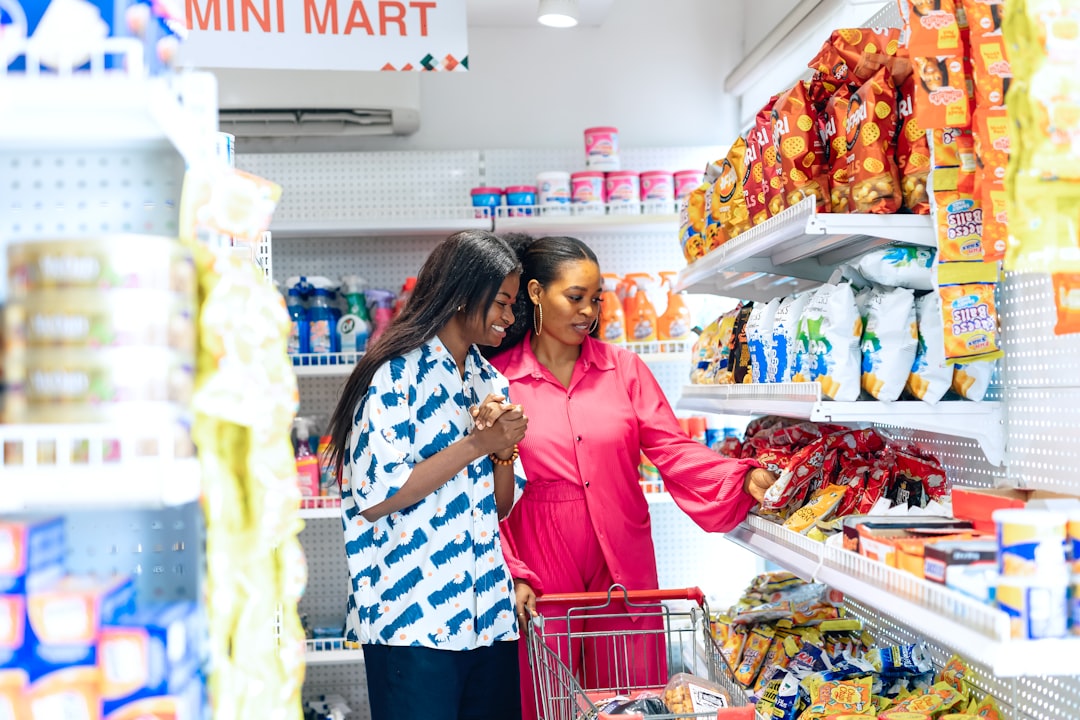


Word of mouth already sells your products. A referral program turns that casual sharing into something structured — where both the person referring and the new customer get something for it, and you can actually track what's working.
The short version: A referral program for a food vendor gives existing customers an incentive to bring in new customers. The simplest structure is "give a friend $5 off, get $5 off your next order" — no software required. You can run it with referral cards, a unique code, and a basic spreadsheet. Free product rewards tend to outperform discounts. Promote the program at checkout, in every order bag, and in your email newsletter, then track results each month.
Most vendors already ask for referrals informally. A structured program takes five minutes more to set up and produces far more consistent results.
Casually asking customers to "tell your friends" generates a few referrals. A structured referral program generates far more — because both parties have a clear reason to act.
When you ask someone to spread the word with no incentive, you're relying entirely on their enthusiasm and memory. When you hand them a referral card with a specific offer attached, you give them something to pass along and something to look forward to themselves.
Three reasons structured programs outperform casual asks:
According to Referral Rock, 92% of consumers trust recommendations from people they know over any other form of advertising. BigCommerce research puts that figure at 88% who trust personal recommendations more than any other marketing channel. A structured program makes it easier for your satisfied customers to make those recommendations — with a tangible reason to do so.
The referral program advantage at a glance:
| Approach | What Happens | Can You Track It? |
|---|---|---|
| Casual ask ("tell your friends") | Random, inconsistent | No |
| Referral card with offer | Customer has something to share | Partially (returned cards) |
| Unique referral code | Tracked at checkout | Yes |
| Formal referral program (all of the above) | Consistent, measurable, grows with you | Yes |
A referral program doesn't replace relationship-building — it amplifies it. You still need great products and a strong customer experience. But once you have those, a structured program gives your best customers a system for spreading the word.
The simplest referral program for a cottage food vendor is a two-sided offer: the referring customer gets a reward, and the new customer gets a discount on their first order. Both sides activate at the same time.
The most common structure: "Give $5 off, Get $5 off." The referring customer hands a friend a card or code worth $5 off their first order. When that friend places an order, the referring customer automatically earns $5 off their next order.
You don't need software for this. You need a referral card design, a way to track redemptions, and a consistent process for honoring the reward.
Common referral program structures for food vendors:
| Program Type | How It Works | Best For |
|---|---|---|
| Give $5 / Get $5 | Friend gets $5 off first order; referrer gets $5 off next | Vendors with ordering online |
| Give 10% / Get 10% | Percentage discount for both sides | Higher-priced product lines |
| Refer a friend, get a free product | Friend places any order; referrer earns a free item | Vendors who want loyalty over discounts |
| Baked goods referral bundle | Friend orders → referrer gets a free half-dozen cookies or muffins | Bakery vendors specifically |
| Early access reward | Referring customer gets first pick of next batch | Vendors with limited-run or seasonal products |
Choosing your offer amounts:
The single most effective structure for cottage food vendors is: "Refer a friend, get a free [item]." It costs you very little in materials, feels generous, and reinforces what makes your products special.
You can run a fully functional referral program using referral cards, a simple code system, and a spreadsheet — no apps or subscriptions needed.
Step-by-step setup:
| Column | What to Track |
|---|---|
| Referrer name | Who sent the referral |
| Referral code | If using codes |
| New customer name | Who was referred |
| Order date | When the referral order came in |
| Reward issued | Whether the referrer received their reward |
| Reward date | When you fulfilled it |
For managing your regular customer list and contact info, a simple CRM spreadsheet keeps everything organized alongside your referral tracking.
What you need to get started:
Total setup time for most vendors: under two hours.
Free product rewards consistently outperform cash discounts for cottage food vendors, because they cost less to deliver and feel more generous to receive.
When you offer a $5 discount, the customer experiences it as a price reduction. When you offer a free item — a small jar of jam, a half-dozen cookies, a bag of granola — they experience it as a gift. The perceived value of a gift is usually higher than its actual cost.
Reward types compared:
| Reward Type | Cost to You | Perceived Value | Best Use Case |
|---|---|---|---|
| Free product (best) | Very low (material cost only) | High | Any food vendor |
| Percentage off | Moderate (lost margin) | Medium | Higher-ticket orders |
| Dollar off ($5-$10) | Moderate | Medium | Vendors with online checkout |
| Early access to new products | Very low | High for loyal customers | Limited batches or seasonal items |
| Free add-on at pickup | Very low | High | Farmers market vendors |
| Gift card credit | Varies | Medium-high | Vendors with repeat ordering |
The best referral reward by vendor type:
Keep your reward threshold simple: the referrer earns the reward after the new customer places their first order. No minimums, no complications. The harder you make it to earn the reward, the less likely customers are to refer anyone.
Rewarding your best advocates ties into a broader strategy of creating a VIP experience — your top referrers deserve recognition beyond just the program reward.
The referral program only works if customers know it exists. Promote it in at least four places: at checkout, inside every order, on social media, and through email.
Five ways to promote your referral program:
Promotion checklist:
Frequency matters. Most customers need to hear about a program 2-3 times before they act on it. Mentioning it once and stopping is the single biggest reason referral programs fail.
Track referrals with a simple spreadsheet. Review it once a month to see how many referrals came in, which customers are your top referrers, and whether the program is growing your customer base.
The minimum tracking setup:
Open a Google Sheet with the following columns:
That's it. Five columns. Update it each time a referral order comes in.
Monthly review — four questions to answer:
Simple benchmarks for cottage food vendors:
| Monthly Referrals | What It Tells You |
|---|---|
| 0-2 | Program needs more promotion or the reward isn't compelling |
| 3-6 | Healthy early-stage program |
| 7-15 | Program is working — consider thanking top referrers personally |
| 15+ | Strong word-of-mouth engine — keep rewarding consistently |
At every farmers market table or pickup, ask new customers: "How did you hear about us?" Track the answers. If referrals account for more than 20% of new customers, your program is driving real growth.
For a deeper look at organic referral tracking before you launch a formal program, see the guide on how to ask for referrals — it covers the informal version of the same system.
What to do when referrals stall:
Most referral programs see a burst when launched, then a plateau. The plateau is normal. The vendors who keep going past it are the ones who see compounding growth.
A referral card only converts if the person receiving it has somewhere easy to go. If your card says "text me to order" or "DM me on Instagram," the referred customer — someone who has never met you — has to cold-message a stranger and negotiate an order. Most will not bother.
Homegrown is $10/month with no commission, plus card processing of 2.9% + $0.30 per order. Put your Homegrown link on every referral card and the referred customer lands on a page where they can browse your products, choose what they want, and pay — without texting anyone or downloading an app. The referral converts because the ordering process matches the simplicity of the recommendation.
Etsy gives you a product page, but the referred friend lands in a marketplace alongside thousands of other sellers. Your referral card says "try my cookies" — the Etsy page says "here are 500 other cookie vendors." Square Online gives you a standalone page, but charges 3.3% plus 30 cents per transaction on every order your referral program generates.
Homegrown does not track your referral codes, calculate rewards, or design your cards — your spreadsheet and Canva handle those. What it does is give every referral card a landing page where a friend's recommendation turns into a paid order in under two minutes.
A referral program for a food vendor is a structured system where existing customers are rewarded for bringing in new customers. Instead of passively hoping customers will spread the word, you give them a specific offer — like a free product or a discount — that they can pass along to a friend. The friend gets an incentive to try your products for the first time, and the referring customer earns a reward when that friend places an order.
No. Most cottage food vendors run effective referral programs with referral cards, a simple tracking spreadsheet, and a consistent process for honoring rewards. Software tools exist, but they add cost and complexity that most small vendors don't need until they're handling dozens of referrals per month. A Google Sheet and printed cards are enough to get started and stay organized.
Free product is the best reward for most cottage food vendors. It costs very little (just your material cost) but feels genuinely generous to the person receiving it. A free cookie, a sample jar, or a small bonus item is more memorable than a dollar discount and costs you less in margin. Cash discounts work too, but free product wins when your goal is both referral conversion and brand loyalty.
Use a name-based system. When a new customer places an order, ask them "Did someone refer you to us?" and record the referrer's name. Alternatively, create simple codes for your regulars — their first name plus a number, like SARAH05 — and ask new customers to mention the code when ordering. Log every referral in a spreadsheet with five columns: referrer name, new customer name, order date, and whether the reward was issued.
A referral program for a food vendor costs almost nothing upfront. Business card printing runs $10-20 for 100 cards. If your reward is a free product, your only cost is the material cost of that item — often $0.50 to $2.00. If you offer a dollar discount, budget roughly 5-10% of your average order value per successful referral. For most cottage food vendors, a referral program costs less than $50 in a typical month even with 10-15 referrals coming in.
Launch your referral program once you have at least 15-20 regular customers who already like your products. Before that, there's not enough of an existing base to generate meaningful referrals. The best timing is right after a strong farmers market season or after you've built up a solid returning customer list. Announce it via email first, then support it with cards and in-person mentions.
A referral program rewards customers for bringing in someone new. A loyalty program rewards customers for their own repeat purchases — think punch cards or points. Both are valuable, but referral programs are better for growing your customer base, while loyalty programs are better for increasing the frequency of orders from people you already have. Many vendors run both at the same time once they have a steady customer base.
A referral program is one of the highest-ROI moves available to a cottage food vendor. Set it up once, keep promoting it consistently, and let your best customers do the work of growing your business for you.



