

The single biggest mistake food vendors make before market season is waiting too long to start preparing. Most farmers markets open between late March and mid-May depending on your region, but vendor applications close in January or February — 8 to 12 weeks before the season starts. By the time you realize the market is about to open, the roster may already be full.
Market season preparation is not just about baking products and loading the truck. It includes vendor applications, license renewals, insurance certificates, equipment checks, display upgrades, product lineup decisions, recipe testing, and customer re-engagement. This guide walks through the full 8-week countdown so nothing falls through the cracks.
The short version: Start preparing for market season at least 8 weeks before opening day. Most vendor applications close January through February. Returning vendors must reapply — there is no auto-renewal. Renew your cottage food license, update your insurance COI to name the market as additional insured, do a dry-run booth setup at home to catch broken equipment, and re-engage your customer list 2 to 3 days before opening. The cheapest display upgrade with the highest ROI is adding wooden crates for height variation.
Market opening dates vary by region and climate. Year-round markets in California, Florida, and Arizona may not have a seasonal gap, but most of the country operates on a spring-to-fall schedule.
| Region | Typical Opening | Application Deadline |
|---|---|---|
| South / Mid-Atlantic | Late March to late April | January-February |
| Midwest | Mid-April to early May | January-February |
| Northeast | Early to mid-May | January-February |
| Pacific Northwest | Late April to May | January-March |
| Year-round (CA, FL, AZ) | Continuous | Varies (often rolling) |
Market managers need time to curate their vendor mix, verify insurance and licenses, assign booth locations, and plan their marketing. A market that opens May 1 may close vendor applications by February 15. If you miss that deadline, you are locked out for the entire season.
Returning vendors are not exempt. Most markets require a full reapplication every year, even for vendors who have been at the same market for a decade. Vendor agreements do not auto-renew. Check your market's application timeline in January.
This is the paperwork window. Everything administrative needs to happen now or it will be too late.
Vendor Application
Cottage Food License Renewal
If you are starting from scratch, read our guide on how to start a cottage food business for the full process.
Insurance
Health Department
This is the physical preparation window. Shift from paperwork to equipment, display, and product readiness.
The Maine Federation of Farmers' Markets vendor checklist covers the essential equipment every vendor needs. Do a complete check of every item:
Set up your complete booth in your driveway or backyard 2 to 3 weeks before opening. This single step prevents more opening-day disasters than anything else.
Your display should look fresh for a new season. You do not need to spend hundreds of dollars — a few small upgrades make a big difference.
Opening day is not the time to experiment with your entire menu. Lead with your proven sellers and introduce new products gradually.
Before the season starts, review your pricing against your actual costs:
For a deeper look at pricing for market vendors, read our guide on how much you can make selling at farmers markets.
Your regular customers from last season have not forgotten you, but they may not know when you are coming back. A simple re-engagement effort 1 to 2 weeks before opening day brings them to your booth on day one.
As FarmstandApp's marketing guide recommends, post on social media 2 to 3 days before opening day with countdown-style content:
If you did not collect customer contacts last season, start this season. A simple signup sheet or QR code at your booth with the incentive of a monthly drawing (win a free product basket) builds your list without being pushy.
The QR code needs to point somewhere useful. A sign-up sheet collects names, but it does not let someone place an order on Tuesday when they run out of the bread they bought Saturday. An ordering page does both — it captures contact info and it gives that customer a reason to come back between markets.
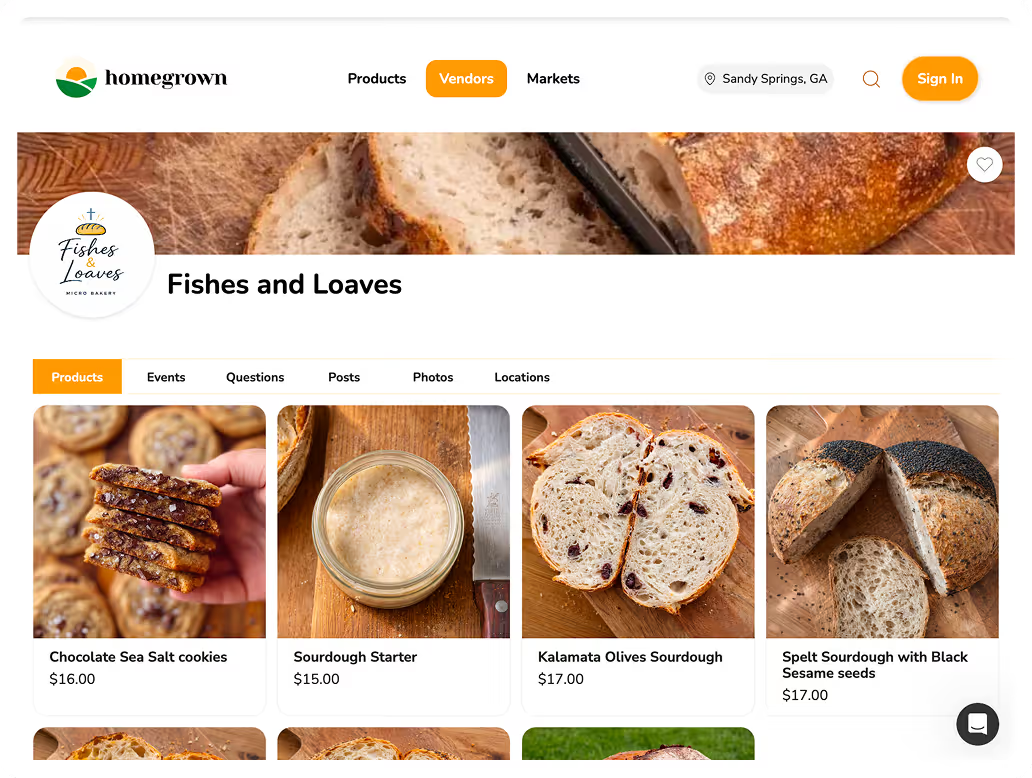
Homegrown is $10/month with no commission, plus card processing of 2.9% + $0.30 per order — set it up before opening day and print a card with your ordering link for your booth. When a first-time customer likes your sourdough, they scan the code and can reorder next Wednesday without waiting for Saturday. Instagram DMs work until you have 20 people messaging "do you have any left?" on a Tuesday — Homegrown shows what is available, collects payment, and tells you exactly what to bake for pickup. It does not manage your market booth or track your sell-through across weeks — that is your notebook. But for turning "see you next Saturday" into an actual midweek revenue stream, it replaces the DMs-and-Venmo routine from day one. Customers order for pickup or local delivery, whichever they prefer.
Your first market day of the season sets the tone. Show up prepared, stocked, and energized.
Booth Essentials
Product
Business
Personal
If this is your very first season, read our guide on what to do in your first week as a farmers market vendor for more detail on the first-day experience.
Set up online ordering before opening day so you can hand new customers a card with your order link.
Start 8 weeks before your market's opening day. Most vendor applications close in January or February, which is 8 to 12 weeks before markets open in the spring. Even if you are a returning vendor, you need to resubmit your application, renew your license, update your insurance COI, and check all equipment.
Yes, at most markets. Vendor agreements do not auto-renew. Even long-time vendors must submit a new application, updated insurance certificate, and current license documentation each year. Check your market's specific timeline — missing the deadline means missing the season.
Vendor liability insurance typically costs $299 to $600 per year. FLIP offers $2 million in general and product liability coverage at $299 per year with no deductible. Most markets require your COI to name the market as an additional insured, which your provider can add at no extra cost.
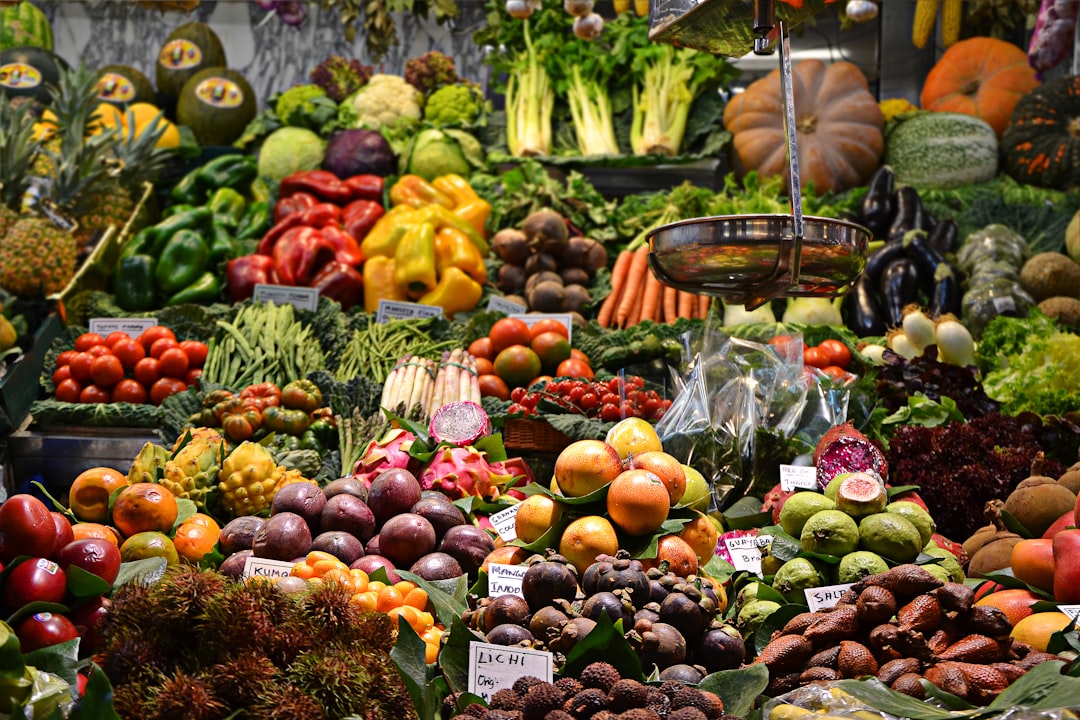
Height variation. Adding wooden crates or risers ($20 to $40) to create different product levels is the cheapest upgrade with the highest visual impact. A flat table with everything laid out side by side looks like a garage sale. Products at varied heights look like a curated shop.
Bring a small batch of 10 to 15 units of a new product alongside your proven sellers. Price it, display it, and observe the sell-through rate. If it sells well, increase production the following week. If it sits, try a different price point or presentation before dropping it entirely.
Post 2 to 3 days before opening day with your market name, date, time, and location. Share behind-the-scenes photos of your prep work. Tease any new products. Send an email or text to your customer list if you have one. Update your social media bio with your market schedule so new followers know where to find you.
Bring your top 5 proven products in quantities based on last season's first-market sales, plus 20 percent extra. If this is your first season, bring $300 to $600 worth of inventory at retail prices. It is better to sell out early (it creates urgency for next week) than to bring home half your products unsold.
Market season preparation is the least glamorous part of being a food vendor, but it is the most important. The vendors who show up on day one with their paperwork filed, equipment tested, display refreshed, and customer list re-engaged start the season strong — while the vendors who scramble are still catching up in June.
The vendors who build a customer list from week one sell between markets all season — the vendors who only sell on Saturday mornings leave half their revenue on the table.