

Dried herbs and spice mixes are the highest-margin cottage food product you can sell. A 1 oz jar of dried herbs that costs $0.25 to produce (if you grow the herbs yourself) sells for $5 to $8 — a margin of 94 to 97%. Even with purchased herbs, the margin is 80 to 90%. Dried herbs are allowed under cottage food law in every state because they are non-TCS (no moisture, no bacterial risk), have a shelf life of 6 to 12 months, and require minimal equipment to produce: a food dehydrator or oven, a grinder, and jars. NDSU Extension's drying guide covers the optimal temperatures and storage methods that maximize shelf life for dried herbs and vegetables.
The short version: Grow herbs in your garden (basil, oregano, rosemary, thyme, dill, mint), harvest, dry in a food dehydrator or oven, blend into custom spice mixes, package in small jars or bags, and sell for $5 to $8 per ounce. The most popular products are Italian herb blend, taco seasoning, everything bagel seasoning, herbes de Provence, and single-herb jars (dried basil, dried rosemary). Production takes 30 minutes of active time per batch (plus overnight dehydrating). Sell through an ordering page and at your farm stand or farmers market. Dried herbs are the ideal add-on product: lightweight, long shelf life, high margin, and customers buy them as impulse additions to their bread, jam, or produce order.
| Scenario | Cost per Jar | Selling Price | Margin |
|---|---|---|---|
| Garden-grown herbs | $0.25 (jar + label only) | $6 | 96% |
| Purchased bulk herbs | $1.00 (herbs + jar + label) | $6 | 83% |
| Custom spice blend | $1.50 (multiple spices + jar + label) | $8 | 81% |
No other cottage food product approaches 96% margins. Even with purchased herbs, 83% margins exceed most baked goods (70 to 80%) and are competitive with honey and jam (75 to 85%).
Dried herbs are lightweight, small, and affordable ($5 to $8). Customers who are already buying sourdough bread add a jar of Italian herbs. Customers buying jam add a jar of herbal tea blend. The average order value increases by $5 to $8 with zero additional production effort because the herbs were already made and sitting on your shelf.
Unlike fresh herbs (seasonal), dried herbs sell year-round. Harvest and dry your herbs in summer when production is abundant, then sell the dried version through fall, winter, and spring. A summer harvest of basil becomes a year's supply of dried basil for your stand.
Individual dried herbs for customers who want specific flavors:
| Herb | Growing Difficulty | Market Demand | Price (1 oz) |
|---|---|---|---|
| Basil | Easy | Very high | $5-$6 |
| Rosemary | Easy (perennial) | High | $5-$6 |
| Oregano | Easy (perennial) | High | $5-$6 |
| Thyme | Easy (perennial) | Medium-high | $5-$6 |
| Dill | Easy | Medium | $5-$6 |
| Mint | Very easy (invasive) | Medium | $5-$6 |
| Lavender | Easy (perennial) | High (culinary + sachets) | $6-$8 |
| Sage | Easy (perennial) | Medium | $5-$6 |
Blends command premium prices ($7 to $10) because you have done the work of combining complementary herbs and spices:
| Blend | Ingredients | Price (2 oz) | Popularity |
|---|---|---|---|
| Italian herb blend | Basil, oregano, rosemary, thyme, marjoram | $7-$8 | #1 seller |
| Taco seasoning | Chili powder, cumin, paprika, garlic, onion, oregano | $7-$8 | Very high |
| Everything bagel | Sesame, poppy, garlic, onion, salt | $6-$7 | Very high |
| Herbes de Provence | Lavender, thyme, rosemary, marjoram, savory | $8-$10 | High (premium) |
| Poultry seasoning | Sage, thyme, rosemary, marjoram, black pepper | $7-$8 | Medium-high |
| BBQ rub | Paprika, brown sugar, garlic, onion, cumin, pepper | $7-$8 | High in summer |
| Herbal tea blend | Mint, chamomile, lavender, lemon balm | $8-$10 | Growing demand |
Launch with 3 to 4 products: 2 single herbs (basil and rosemary are the safest bets) and 1 to 2 blends (Italian herb blend and taco seasoning). Expand based on customer requests.
Growing your own (recommended): Most culinary herbs grow easily in a small garden bed or even containers on a porch. A 4x8 foot raised bed produces enough herbs for 100 or more jars of dried herbs per season. Perennial herbs (rosemary, thyme, oregano, sage, mint, lavender) return year after year with no replanting.
Purchasing bulk herbs: If you do not grow your own, buy dried herbs in bulk from spice suppliers (Mountain Rose Herbs, Frontier Co-op, Amazon). This reduces your margin but still generates 80%+ profits.
Harvest herbs in the morning after the dew dries but before the afternoon heat. This is when essential oil content (flavor) is highest. Cut stems just above a leaf node to encourage regrowth.
Three methods:
Food dehydrator (best for consistency):
Oven (good alternative):
Air drying (free but slow):
Dried herbs lose flavor when exposed to light, heat, and air. Store in:
Properly stored dried herbs maintain peak flavor for 6 to 12 months. After 12 months, they are still safe but may lose potency.
| Container | Size | Cost | Appearance | Best For |
|---|---|---|---|---|
| Small glass jar with lid | 1-2 oz | $0.75-$1.50 | Premium, reusable | Single herbs, gift sets |
| Small tin | 1-2 oz | $0.50-$1.00 | Rustic, farmstand | Budget launch |
| Resealable stand-up pouch | 1-3 oz | $0.15-$0.30 | Professional | Higher volume |
| Test tube with cork | 0.5 oz | $0.50-$0.75 | Unique, gift-worthy | Gift sets, novelty |
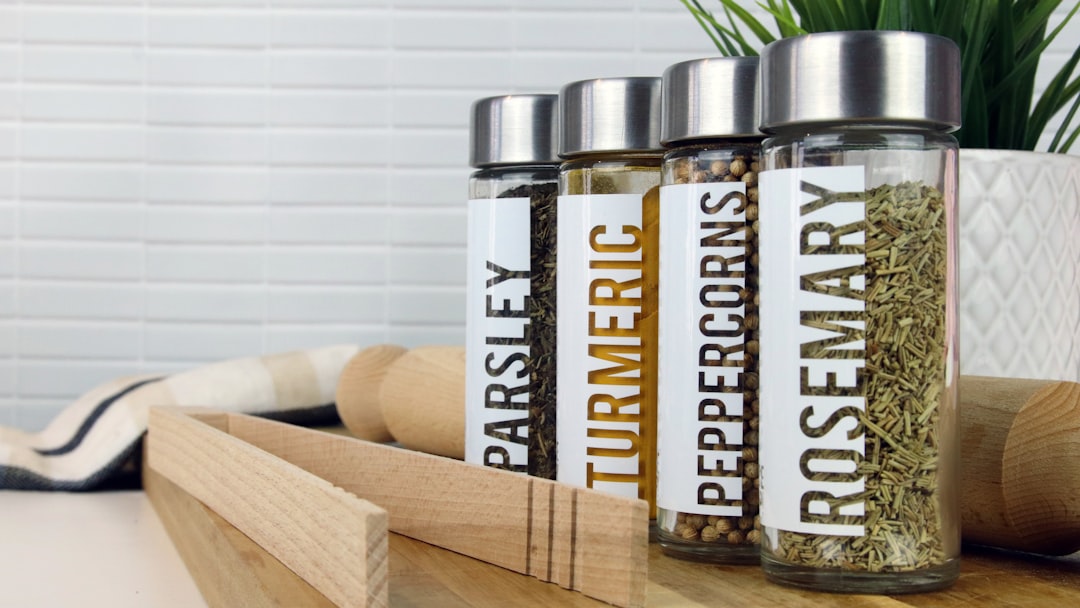
Small glass jars ($0.75 to $1.50 each) are the default for cottage food herb vendors. They look premium on your display, are reusable (customers bring them back for refills), and protect the herbs from air and moisture.
Display herb jars at eye level. The small, colorful jars create an attractive spice-shop display that draws customers. Group by category: single herbs, cooking blends, tea blends. The tea blends travel furthest of the three, because a sealed pouch keeps for a year and ships in a padded envelope for $3 to $5, which opens up seven places to sell tea beyond the table you are standing at.
Herbs are the ultimate add-on product at markets. Position them near your checkout so customers see them while paying for their primary purchase. "Would you like to add an Italian herb blend to go with your sourdough? $7."
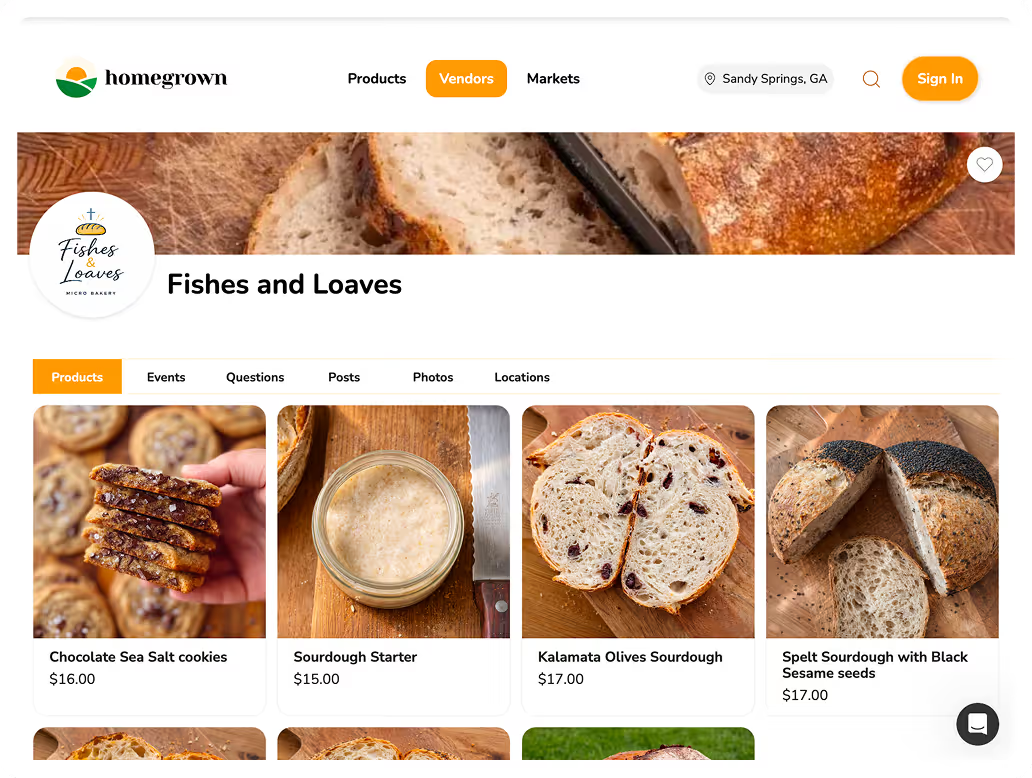
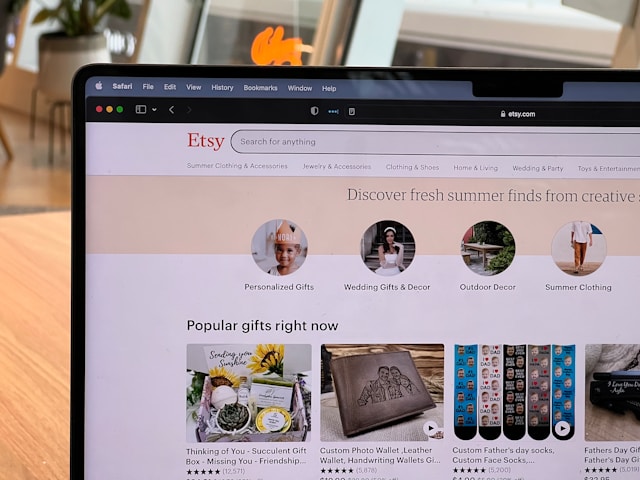
Herb customers reorder monthly — dried herbs run out fast when someone starts cooking with them. But managing those reorders through Instagram DMs means confirming herb variety, blend type, and quantity every time. Etsy charges 6.5% plus listing fees and is built for shipping nationwide, not a $6 jar of dried basil with Saturday pickup. Add Etsy's 3% + $0.25 card processing and the $0.20 listing fee, and that $6 jar loses $1.02, about 17% of its price, which is why the places that sell herbs best are mostly local ones with pickup.
Homegrown costs $10/month with no commission, plus card processing of 2.9% + $0.30 per order, and lets you list every herb and blend with photos, descriptions, and pricing by size. Customers who order bread or jam add a jar of Italian herb blend without switching platforms — average order value increases $5 to $8 when herbs are available. Homegrown does not help you grow herbs, develop blend recipes, or design labels — this guide covers those. What it does is turn your herb add-on sales into a system where customers browse, order, pay, and choose pickup or local delivery through one link.
A gift set of 3 to 4 small herb jars in a box ($15 to $20) is one of the best gift products for any season. "The Kitchen Herb Collection: Italian Blend, Taco Seasoning, Everything Bagel, and Herbes de Provence — $18." Gift sets sell especially well November through February.
For more on selling value-added products, see our guide on value-added products for farm stands. And for selling dehydrated products generally, see our guide on how to sell dehydrated snacks from home.
Yes, in virtually every state. Dried herbs are non-TCS (zero moisture = zero food safety risk) and are specifically listed on most states' cottage food allowed product lists. They are among the most universally allowed cottage food products.
At 20 jars per week at $6 each, you earn $120 per week ($6,240 per year). At 50 jars per week across multiple flavors, you earn $300 per week ($15,600 per year). These numbers assume garden-grown herbs with near-zero ingredient cost.
A dehydrator produces the most consistent results but is not required. You can air-dry herbs for free (1 to 2 weeks per batch) or use your oven at the lowest setting (1 to 3 hours per batch). A dehydrator ($40 to $100) is worth the investment if you produce 20 or more jars per week.
Basil — it is the most popular dried herb by volume, grows abundantly in most climates, dries quickly, and sells well both as a single herb and as a blend ingredient. One basil plant produces enough dried basil for 5 to 10 jars per harvest.
Single herbs: $5 to $6 per 1 oz jar. Blends: $7 to $10 per 2 oz jar. Blends command higher prices because you have done the work of combining complementary herbs — the customer is paying for your recipe and expertise, not just the herbs.
Yes. Fresh herb bunches ($2 to $4 per bunch) sell well at farmers markets during the growing season. However, fresh herbs are perishable (1 to 2 days after harvest) and seasonal. Dried herbs last months and sell year-round. Most vendors sell fresh herbs in season and dried herbs year-round.
Store in sealed glass jars away from light and heat. Do not grind herbs until just before packaging (whole leaves retain flavor longer than ground). Package in small quantities (1 to 2 oz) so customers use them quickly. Include "best by" date on labels (6 to 12 months from packaging).
It depends on your state's cottage food law. Most states allow dried herbs, spices, and seasoning blends that contain shelf-stable ingredients like salt, dried garlic, dried onion, pepper, and sugar. Some states restrict blends that include ingredients not on the approved cottage food list. Check your state's specific allowed product list before adding non-herb ingredients to your blends. In practice, most popular blends (Italian seasoning, taco seasoning, everything bagel) contain only ingredients that are universally allowed under cottage food law.
Test by keeping a sealed "control jar" from each batch on your kitchen shelf under normal conditions (not refrigerated, not in direct sunlight). Open and smell the control jar at 3, 6, 9, and 12 months. Fresh dried herbs have a strong, immediate aroma when you open the jar. When the aroma becomes faint or you have to crush the leaves and hold them close to your nose to smell anything, the herbs have lost their peak potency. Most properly dried and sealed herbs maintain peak flavor for 6 to 9 months and acceptable flavor for 12 months. Use your control jar results to set an honest "best by" date on your labels. Do not claim 12 months if your herbs fade at 6 — customers who buy stale herbs will not buy again. Testing also helps you compare drying methods: you may find that dehydrator-dried basil keeps its color and flavor longer than oven-dried basil, which helps you standardize your production process.
Price custom blends 30 to 50% higher per ounce than single herbs. A single herb jar (1 oz) at $5 to $6 reflects the raw ingredient plus your drying and packaging time. A custom blend (2 oz) at $7 to $10 reflects additional value: you selected complementary herbs, tested the ratios, and created a recipe the customer does not have to figure out themselves. The customer is paying for convenience and expertise, not just more herbs. When setting your blend price, calculate your ingredient cost per jar (even if you grew the herbs, assign a cost of $0.25 to $0.50 per jar for jars, labels, and packaging), add your time at a rate you find fair ($15 to $25 per hour of active production time), and round up to a clean number. A blend that costs $1.50 in materials and takes 2 minutes of active time per jar has a true cost of about $2.30 at $25 per hour. Selling it for $8 gives you a healthy $5.70 margin per jar. Gift sets of 3 to 4 blends should be priced 10 to 15% below the sum of individual jars — the slight discount encourages the larger purchase while still maintaining strong margins.
Yes, as long as your cottage food law allows it and your labels are accurate. Most states do not require you to grow the herbs yourself — they only require that the final product is prepared in your home kitchen and properly labeled. Buy bulk dried herbs from reputable suppliers like Mountain Rose Herbs, Frontier Co-op, or Starwest Botanicals. Purchasing in 1-pound bulk bags ($8 to $20 per pound depending on the herb) drops your per-jar ingredient cost dramatically compared to buying small retail packets. The key is transparency: your label must list all ingredients accurately, and you should not claim "garden-grown" or "homegrown" herbs if they were purchased wholesale. Many successful herb vendors use a hybrid approach — they grow their highest-margin herbs (basil, rosemary, mint) and purchase herbs that are harder to grow in their climate (cumin, paprika, cinnamon) from wholesale suppliers. This keeps costs low while still offering a wide variety of blends. Your competitive advantage is not where the herbs come from but the quality of your blends, the freshness of your packaging, and the convenience of buying locally from someone your customers know.