
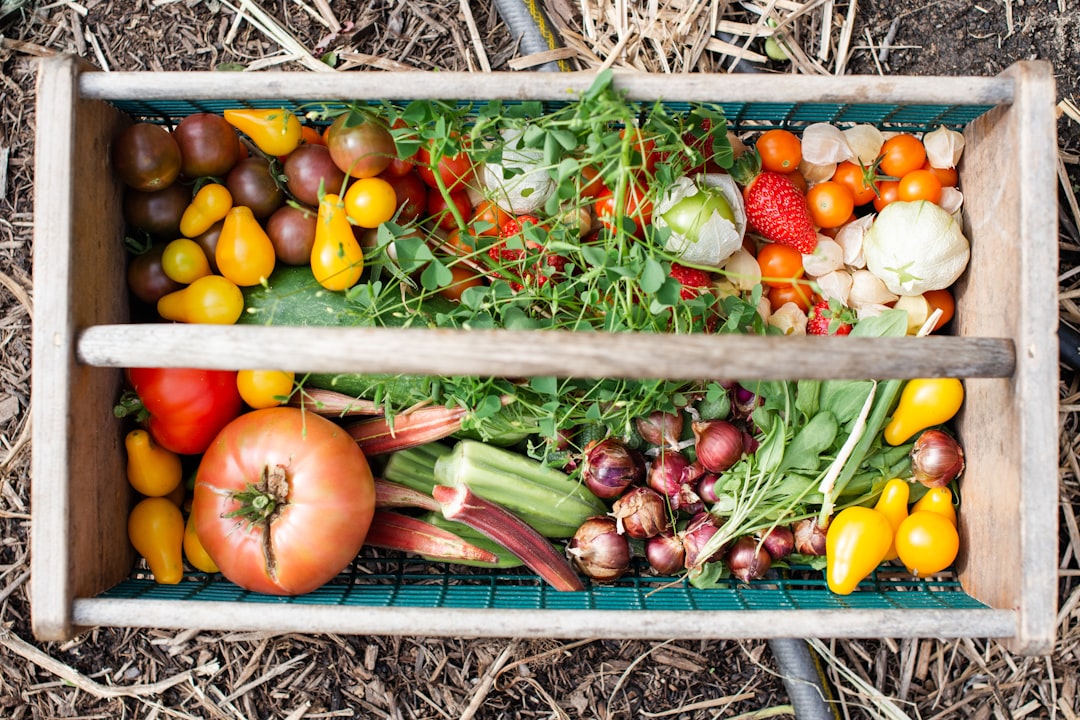


Most people who want to start a farm stand get stuck at the same point: they Google "farm stand zoning laws," find a wall of legal jargon, and decide it is too complicated to figure out. So they either set up without checking — and hope nobody complains — or they never start at all.
Both are bad options. The reality is much simpler than the search results make it look.
The short version: Zoning laws determine whether you can operate a farm stand on your property, not whether your products are safe to sell. In most agricultural zones, farm stands are allowed by right — no special permit needed. In residential zones, the rules vary, but many counties exempt small-scale produce sales from commercial restrictions. The lookup process takes one phone call to your county zoning office. The most common mistake operators make is assuming they need a permit when they do not — or assuming they do not need one when they do.
Zoning is a set of local rules that dictate what you can do with your property. Every parcel of land in the United States is assigned a zoning classification — residential, agricultural, commercial, industrial, or mixed-use — and each classification comes with rules about what activities are allowed.
A farm stand is a commercial activity happening on private property. That intersection — commerce on residential or agricultural land — is where zoning gets involved.
What zoning controls for farm stands:
What zoning does NOT control:
Understanding this distinction saves you from going to the wrong office and asking the wrong questions. Zoning is about land use. Food safety is about your product. They are regulated by different agencies with different rules.
Your property's zoning classification is the single most important factor in whether you can legally operate a farm stand. Here is how the three most common classifications treat farm stands:
| Zoning Type | Farm Stand Rules | Typical Restrictions |
|---|---|---|
| Agricultural (A-1, AG, etc.) | Usually allowed by right — no special permit | May have structure size limits (200-400 sq ft), setback requirements, and seasonal limits |
| Residential (R-1, R-2, etc.) | Varies widely — some allow, some restrict, some exempt produce sales | Often limits signage, hours, parking, and structure type. HOA may add additional restrictions. |
| Commercial (C-1, C-2, etc.) | Usually allowed but may require a business license | Full commercial regulations apply — permits, inspections, ADA compliance |
Agricultural zones are the easiest. Most ag-zoned properties can operate a farm stand with zero additional permits, as long as the products are grown on-site and the stand meets basic size and setback requirements.
Residential zones are where most backyard growers get stuck. The rules range from fully permissive (some counties explicitly allow residential produce sales) to fully restrictive (some HOA-governed subdivisions prohibit any commercial activity). The only way to know is to look up your specific zoning code — which is easier than it sounds. If your zone says no to a roadside stand, cut flowers still work as prepaid porch pickup, and selling cut flowers from home covers the Texas and Louisiana flower licenses you may need either way.
Commercial zones are overkill for most small farm stands. If your property happens to be commercially zoned, you can sell from it, but you may need a full business license, health permits, and ADA-compliant access.
Looking up your zoning classification takes five minutes and costs nothing. Here is the process:
Three questions to ask on that call:
For the full list of permit questions to ask, read our guide on farm stand permit requirements.
Even when your zoning allows a farm stand, there are usually conditions. Here are the most common restrictions and what they mean in practice:
Structure size limits. Many codes cap farm stand structures at 100 to 400 square feet. A folding table and canopy almost never hit this limit. A permanent wooden shed might. If you are under the limit, no building permit is needed. If you are over, you may need one.
Setback requirements. Your stand must be a certain distance from the road, property line, or neighboring structures. Common setbacks are 10 to 25 feet from the road and 5 to 15 feet from property lines. This affects where on your lot you can place your table. A setback also keeps the table off the public right-of-way, the strip along the road that belongs to the road owner, where roadside flower and produce sales usually need a separate permit and California bans selling within 500 feet of a freeway ramp.
Operating hours. Some codes limit farm stand hours to daylight or specific time windows (e.g., 7 AM to 7 PM). This matters most if you run an honor system stand that is technically "open" 24 hours.
Signage restrictions. Sign size is commonly limited to 4 to 16 square feet in residential zones. Some codes restrict sign placement to your own property only — no signs at the end of the block. Some prohibit illuminated signs entirely.
Parking requirements. High-traffic stands may need designated off-street parking. For a small backyard stand where one or two cars stop at a time, this usually does not apply. But if your operation grows and traffic becomes an issue, your county may require you to address parking.
On-premises grown requirement. Many zoning codes require that products sold at a farm stand be grown on the same property. This prevents someone from buying wholesale produce and reselling it as "farm fresh." If you want to sell products from a neighboring farm or a co-op, check whether your code has this restriction.
Seasonal limits. Some municipalities only allow farm stands during the growing season (April through October, for example). Year-round operation may require a different permit.
If your zoning code does not permit a farm stand, you have three options:
Your HOA and your zoning code are separate systems. Your zoning may permit a farm stand, but your HOA may prohibit it — and the HOA restriction is enforceable.
Key differences:
HOA restrictions to watch for:
What to do if your HOA restricts farm stands:
Most zoning enforcement for small farm stands is complaint-driven. Nobody is patrolling neighborhoods looking for illegal tomato sales. Enforcement typically begins when a neighbor complains.
The typical enforcement process:
How to avoid complaints:
The honest truth: Thousands of small farm stands operate in gray zones across the country. They are technically not zoned for commercial activity, but nobody complains because the vendor is a good neighbor, the stand is clean and quiet, and the community appreciates having fresh produce available. Being thoughtful about your setup and your neighbors goes further than any permit.
For a complete guide on getting started, read how to start a farm stand. And if zoning makes a physical stand impractical, online pre-orders with pickup at your address let you sell without triggering commercial-use restrictions at all.
Selling at markets or a farm stand? Let customers order ahead online. The easiest way to take local orders and get paid is an online storefront — see the best platform to sell food from home, or set up a Homegrown storefront in about 15 minutes ($10/mo, 0% commission).
It depends on your specific zoning code. Many residential zones allow on-site agricultural sales, especially for products you grew yourself. Others restrict commercial activity entirely. The fastest way to find out is to call your county zoning office and ask about your specific zone classification. The call takes five minutes and gives you a definitive answer.
A variance is an exception to a specific zoning rule — for example, allowing a structure closer to the road than the setback requires. A special use permit (sometimes called a conditional use permit) allows an activity that is not normally permitted in your zone, subject to conditions. Both require a public hearing and a fee ($50 to $200 typically). A special use permit is more common for farm stand operators in residential zones.
Right to Farm laws vary by state, but most protect existing agricultural operations from nuisance complaints. They generally apply to properties with an established agricultural use, not to someone starting a new farm stand on a residential lot. If your property has been used for agriculture, Right to Farm protections may help. If you are adding a farm stand to a primarily residential property, they probably do not apply.
Yes. HOA rules are private contractual agreements that can be more restrictive than local zoning laws. If your CC&Rs prohibit commercial activity, signage, or non-residential structures, the HOA can enforce those restrictions regardless of what your zoning code allows. Your options are to request an exception from the HOA board or to find a compliant alternative like online sales with porch pickup.
Most counties exempt structures under 100 to 200 square feet from building permit requirements, though this varies. A folding table, a canopy tent, and a display shelf almost never require a permit. A permanent wooden structure with a roof may require one depending on size and foundation. Check your county's building code for the specific square footage threshold.
Search "[your county] zoning map" online. Most counties publish interactive GIS maps where you can search by address. Your property will be labeled with a zoning code (R-1, AG, C-1, etc.). If you cannot find it online, call your county planning department and give them your address — they can tell you your classification in under a minute.
For most small farm stand operators, zoning is the easiest regulatory hurdle to clear. One phone call, one lookup, and you know exactly where you stand. The vendors who get tripped up are the ones who either skip the check entirely or assume the worst without asking.
Make the call. Ask the questions. And if your zoning creates a real barrier, online sales with pickup at your address give you a path that does not depend on zoning at all.



