


A driver going 35 miles per hour passes your farm stand in about three seconds. In those three seconds, they see your sign, notice your products, and decide whether to stop or keep going. Most keep going — not because your products are bad, but because your display did not grab their attention fast enough.
The good news: fixing your display is one of the cheapest and highest-impact improvements you can make to a farm stand. A few changes to how you arrange, present, and showcase your products can double or triple your stop rate without spending more than $20 to $50.
The short version: The best farm stand displays use height variation (not everything flat on one table), bright colors facing the road, large clear signage, and organized grouping by product type. Put your most eye-catching product at the front — cut flowers, bright tomatoes, or colorful peppers. Price everything visibly. Use wooden crates, baskets, and risers to create depth. Keep it clean, stocked, and consistent every time you open. A well-displayed farm stand with average products outsells a poorly displayed stand with great products every single time.
Display matters more than product quality at the moment of first contact — when someone is deciding whether to stop. They cannot taste your tomatoes from the road. They cannot smell your bread from their car. They can only see your stand, and what they see determines whether they become a customer or a drive-by.
The psychology of stopping:
Once they stop, your product quality takes over. But they have to stop first. Display gets them out of the car. Product quality gets them to come back.
A well-displayed stand with average products outsells a poorly displayed stand with excellent products. This is counterintuitive but consistently true. The vendors with the best sales are not always the ones with the best food — they are the ones with the best presentation.
You do not need a Pinterest-worthy setup. You need a few principles applied consistently. Here are the display ideas that make the biggest difference for small backyard stands:
The single most common display mistake is putting everything flat on one table. A flat display looks sparse and uninteresting from the road.
How to create height:
The goal: Three levels minimum — low (table surface), medium (6 to 8 inches up), and high (12 to 18 inches up). This creates depth and makes your stand look fuller than it is.
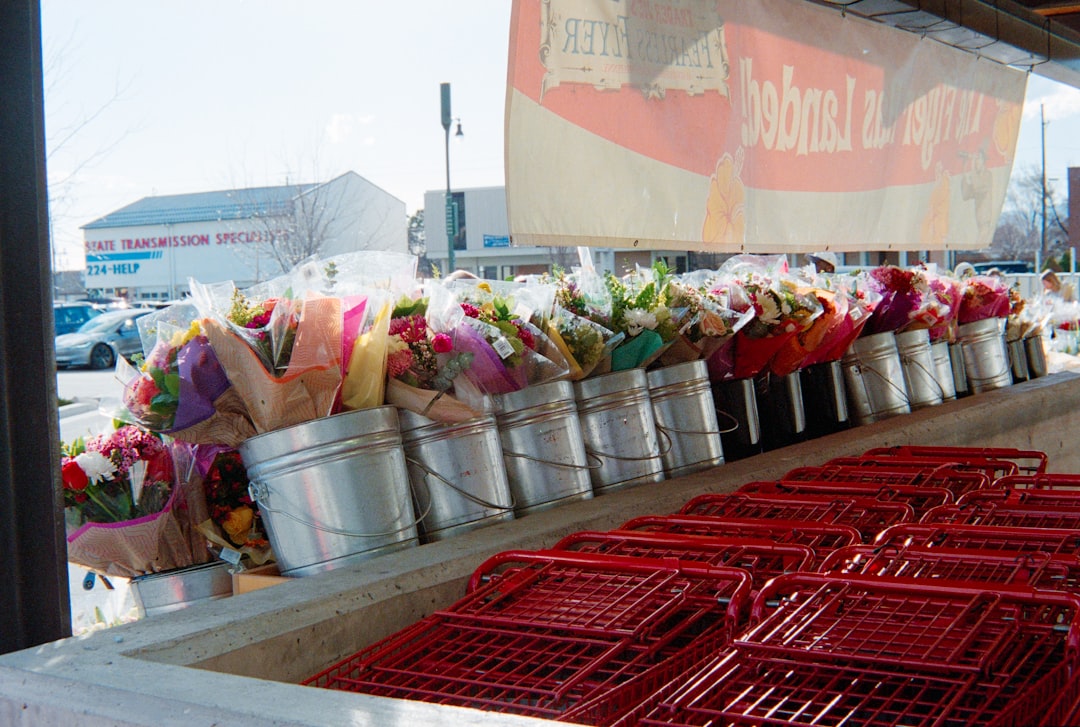
Put your most colorful products at the front of your stand, facing the road. Color is what catches the eye from a moving car.
Best color-forward products:
If your products are naturally muted (potatoes, onions, garlic), add color with your tablecloth, signage, or a bucket of flowers at the corner of the table.
Do not scatter products randomly across the table. Group related products together so customers can browse intuitively.
Grouping that works:
This mirrors how grocery stores organize — produce in one section, bakery in another, dairy separate. Customers understand this layout instinctively and can find what they want without confusion.
Wooden crates, wicker baskets, burlap, and natural materials look better at a farm stand than plastic bins and folding tables. They signal "this came from a farm" even if your stand is in a suburban driveway.
Budget-friendly natural display supplies:
You do not need matching, coordinated display materials. A mix of crates, baskets, and boards in different sizes actually looks more authentic than a perfectly matching setup.
Visibility is about two things: your sign and your stand's visual footprint (how much of the roadside view it occupies).
Sign rules:
Visual footprint tips:
The "I'd stop for that" test: Stand at the road in front of your stand. Look at it for three seconds — the same amount of time a driver gets. Is the first thing you notice your sign, your products, or nothing at all? If the answer is "nothing," you need a bigger sign, brighter colors, or more height.
An honor system stand needs everything an attended stand needs, plus clear payment instructions and self-service organization.
Additional display elements for self-serve:
The QR code on your stand is not just for cashless payment — it is how you turn a first-time drive-by into a weekly regular. When that QR code links to an online ordering page, customers who stopped once can order ahead every week without driving by to check if you are open. Homegrown costs $10/month with no commission, plus card processing of 2.9% + $0.30 per order, and gives you a shareable link and printable QR code that shows customers your weekly products, lets them order and pay, and tells them when to pick up. Posting your products on Instagram or Facebook gets visibility, but there is no ordering built in — customers still have to DM you, negotiate, and figure out payment separately. Etsy charges 6.5% per transaction and buries your farm stand under thousands of shipped goods when what you need is a simple pickup-from-my-driveway system. Homegrown does not design your display, print your signs, or tell you which crates to buy — this guide covers those. What it does is make sure the people who stopped once can find you and order from you every week after that. Customers order for pickup or local delivery, whichever they prefer.
A stand that looks picked-over by 10 AM sends the message "you missed the good stuff." Even if you have great products left, an empty-looking display kills sales.
Restocking and refresh tips:
For attended stands: Check and refresh every 30 to 60 minutes during busy hours.
For honor system stands: Restock once in the morning and once in the afternoon if possible. If you can only stock once, put out enough product to last the day and use the consolidation technique as things sell down.
Rain, wind, and extreme heat do not have to shut down your farm stand. A few adjustments keep your products safe and your display functional.
Rain:
Wind:
Extreme heat:
The vendors who sell through bad weather earn a reputation for reliability. Showing up when it is raining tells customers you are serious — and the competition (other stands that closed) is gone, so you get all the traffic.
These are the mistakes that cost you the most sales:
For a complete guide to getting your stand running, read how to start a farm stand. And for tips on choosing the best spot on your property, check out our guide on choosing the right location for your farm stand.
Selling at markets or a farm stand? Let customers order ahead online. The easiest way to take local orders and get paid is an online storefront — see the best platform to sell food from home, or set up a Homegrown storefront in about 15 minutes ($10/mo, 0% commission).
Use wooden crates as risers to create three levels of height on your table. Group vegetables by type (all tomatoes together, all peppers together). Put the most colorful products at the front facing the road. Price every product clearly with large, readable tags. Use baskets and natural materials instead of plastic bins. The goal is a display that looks full, organized, and inviting from 50 feet away.
Use a large, high-contrast sign readable from 50 feet, bright colors in your display (flowers, red tomatoes, colorful peppers), and vertical elements like tall sign posts or banners. A tablecloth that contrasts with your surroundings helps — bright red against green grass, white against a dark fence. The key is catching a driver's eye in the three seconds they have to notice you.
At minimum: a sturdy table, a tablecloth, two to three wooden crates for height, price signs, and a main road sign. Optional but helpful: baskets, a chalkboard for daily specials, mason jars for herb displays, and an A-frame sandwich board. Total display supply cost for a basic setup is $30 to $75.
Pre-package everything into bags or containers with individual prices marked directly on each one. Place a clear payment instructions sign above the lockbox. Add a QR code for cashless payment. Keep the display organized so customers can browse and pay without assistance. Include a "take one" card with your contact info and online ordering link.
For attended stands, check and refresh every 30 to 60 minutes during busy hours. For honor system stands, stock once in the morning and once in the afternoon if possible. The key is keeping the display looking full — consolidate products into fewer containers as items sell rather than leaving half-empty baskets.
Yes — significantly. A well-organized display with height variation, clear pricing, and bright colors can double or triple your stop rate compared to a flat, sparse setup. Display determines whether drivers stop in the first place. Product quality determines whether they come back. Both matter, but display comes first.
You have three seconds to turn a driver into a customer. A tall sign, bright colors, and an organized display do in those three seconds what the best tomatoes in the county cannot do from behind the wheel of a car.
Set up your stand like someone is going to photograph it. Then watch more cars pull over.



