
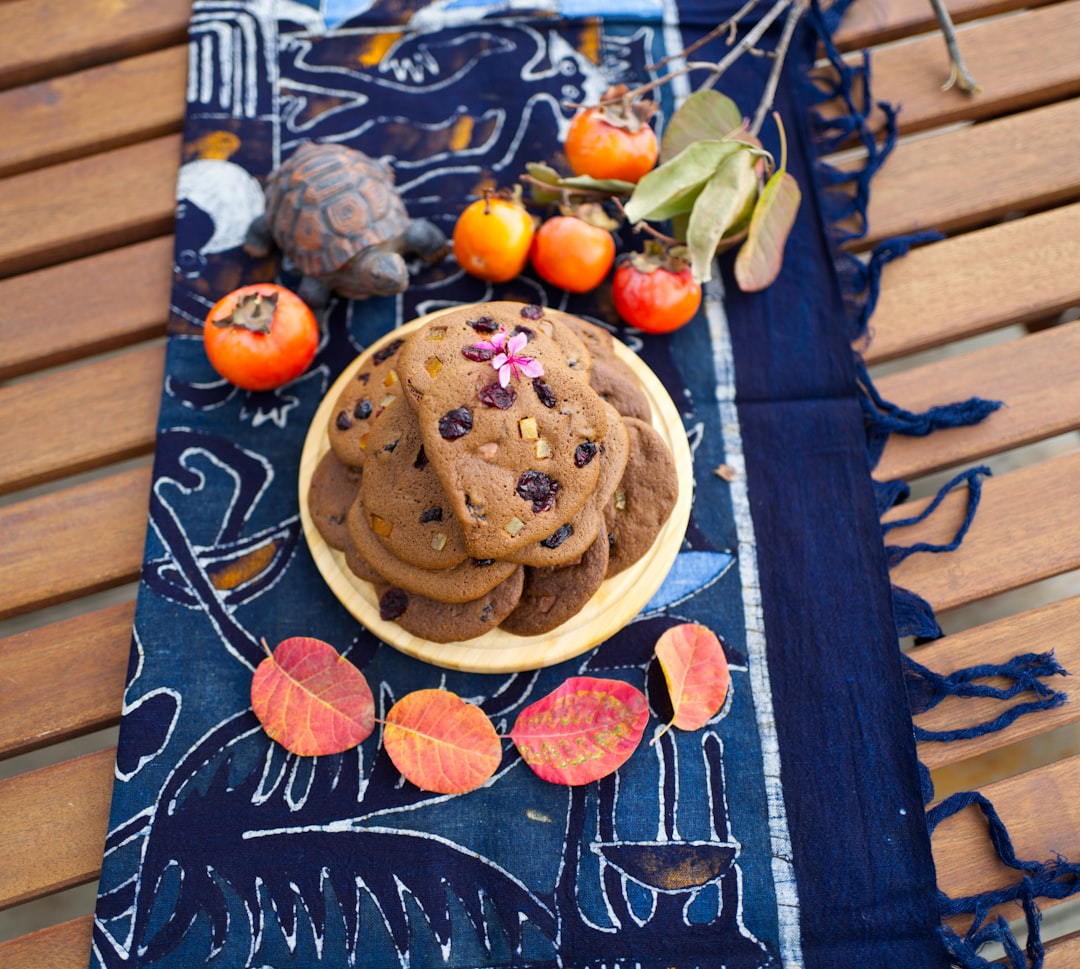


A weekly food box sounds like a lot of work until you realize you are making the same things you already make — just in predictable, pre-sold quantities. The trick is planning what goes in each box so your production stays manageable, your subscribers stay excited, and you never throw away unsold product.
The short version: Include 3-5 items per weekly box: one fresh-baked item (rotates weekly), one pantry staple (rotates monthly), and one seasonal bonus item. Use a three-tier shelf-life system to plan production: bake perishables day-of, prep semi-stable items two to three days ahead, and batch shelf-stable items weeks in advance. Cap at 20-30 subscribers to start. Baker's Choice (you pick the contents) is simpler and, according to research, does not hurt retention.
Traditional CSA (Community Supported Agriculture) is a farm-based model where members pay upfront for a season of weekly produce boxes. The concept works for any local food producer — including cottage food vendors and home bakers.
Your version is simpler. Instead of 10 types of vegetables, you are offering 3-5 handmade items: a loaf of bread, a jar of jam, a bag of cookies, and a seasonal surprise. Some vendors call it a Community Supported Bakery. Others just call it a weekly food box.
The model works the same way:
The Fair Shares model in St. Louis takes this further with a Combined CSA, where multiple local producers each contribute items to a shared weekly box. If you know other local vendors, this is worth exploring — each producer gets a consistent weekly order without managing subscribers individually.
For an artisan food box from a home kitchen, three to five items is the sweet spot. This gives enough variety to feel exciting without overwhelming your production schedule or your subscribers' ability to consume everything before the next box arrives.
| Slot | Category | Rotation | Example |
|---|---|---|---|
| 1 | Fresh baked good | Weekly | Sourdough loaf, cinnamon rolls, scones, muffins |
| 2 | Cookies or treats | Weekly or biweekly | Chocolate chip cookies, brownies, biscotti |
| 3 | Pantry item | Monthly | Jam, honey, granola, spice blend |
| 4 | Seasonal bonus | Monthly or seasonal | Holiday cookie, new recipe test, surprise treat |
| 5 (optional) | Beverage or mix | Monthly | Tea blend, hot cocoa mix, lemonade mix |
Your box portions can be smaller than your individual retail sizes. A full-size 8-ounce jar of jam at a market makes sense because customers are choosing to buy it. In a box, a 4-ounce jar feels like a generous inclusion alongside other items.
| Item | Market Size | Box Size |
|---|---|---|
| Jam | 8 oz jar | 4 oz jar |
| Cookies | Dozen | Half dozen |
| Bread | Full loaf | Full loaf (this is the anchor item) |
| Granola | 12 oz bag | 6-8 oz bag |
| Spice blend | 4 oz jar | 2 oz jar |
Smaller portions keep your ingredient costs manageable and prevent the number one reason CSA members quit: food waste. Research on CSA member behavior consistently shows that members who feel overwhelmed by quantity are the most likely to cancel.
This is the key to producing weekly boxes without working seven days a week. Group your products by how far in advance you can make them, then work backwards from pickup day.
These items can be made in large batches once or twice a month:
Production approach: Dedicate one day per month to batch-producing all Tier 1 items. Store in airtight containers. Pull from inventory on packing day.
These items stay fresh long enough to make ahead of pickup day:
Production approach: Bake these two days before pickup. Package immediately. Store at room temperature in sealed containers.
These items need to be as fresh as possible for pickup day:
Production approach: Bake morning of pickup day, or evening before. These items are the "wow" factor in the box — subscribers open the box and smell fresh-baked goods.
| Day | Activity |
|---|---|
| Monday | Prep Tier 2 doughs (mix, portion, refrigerate or freeze) |
| Tuesday | Bake Tier 2 items (quick breads, crispy cookies, sourdough) |
| Wednesday | Bake Tier 3 items (soft cookies, scones, cinnamon rolls) |
| Thursday AM | Package all items, assemble boxes, pull Tier 1 items from inventory |
| Thursday PM | Pickup window (2-3 hours) |
That is four days of work for your weekly box. If you also sell at a Saturday market, the remaining days are for market prep and rest.
Planning your box contents for a full season prevents the "what do I make this week?" scramble. Here is a sample 12-week rotation that keeps subscribers engaged without requiring you to invent new products every week.
| Week | Fresh Baked | Treats | Pantry | Bonus |
|---|---|---|---|---|
| 1 | Sourdough loaf | Chocolate chip cookies | Strawberry jam | — |
| 2 | Cinnamon rolls | Brownies | (same jam) | Recipe card |
| 3 | Blueberry scones | Snickerdoodles | Honey | — |
| 4 | Banana bread | Biscotti | (same honey) | New flavor test |
| 5 | Herb focaccia | Lemon cookies | Granola | — |
| 6 | Muffins (seasonal) | Peanut butter cookies | (same granola) | — |
| 7 | Sourdough loaf | Chocolate chip cookies | Peach preserves | — |
| 8 | Cinnamon rolls | Brownies | (same preserves) | Recipe card |
| 9 | Cranberry scones | Oatmeal cookies | Spice blend | — |
| 10 | Pumpkin bread | Biscotti | (same spice) | Holiday preview |
| 11 | Challah | Gingerbread cookies | Apple butter | — |
| 12 | Holiday bread | Cookie assortment | (same butter) | Holiday bonus item |
Notice the pattern: fresh baked items rotate every week (but repeat on a 6-week cycle), treats rotate every week, and pantry items rotate every two weeks (giving subscribers time to use them). This means you only need to master about 12 recipes to run a full 12-week season.
Weekly boxes need tighter pricing discipline than monthly boxes because you are producing more frequently and the per-box cost is lower.
According to Plastic Container City's bakery subscription guide, the formula is:
Box Price = Total Cost per Box / (1 - Target Margin)
| Cost Component | Amount |
|---|---|
| Ingredients (4 items) | $8.00 |
| Packaging (box, tissue, label) | $1.25 |
| Labor (30 minutes at $15/hour) | $7.50 |
| Overhead (utilities, tools) | $0.75 |
| Total cost | $17.50 |
At 40 percent target margin: $17.50 / 0.60 = $29.17
Round to $29 or $30 per week. Over a 12-week season, that is $348-$360 per subscriber.
Offer a season-long prepaid option at a 10-15 percent discount:
Prepaid subscribers are your most stable revenue. They have committed for the season and are far less likely to cancel.
Should subscribers choose what goes in their box? Research says no — and your production schedule agrees.
A study of 409 former CSA members and 1,149 current members found that offering share customization does not increase retention rates, even though members cite "lack of choice" as a reason for leaving. The data is counterintuitive but clear: people say they want choice, but it does not actually keep them subscribed longer.
For a one-person operation, Baker's Choice (you decide the contents) is the right model:
Collect allergy information at signup. If a subscriber has a nut allergy, swap the peanut butter cookies for a safe alternative. Build this into your order tracker as a permanent note, not a weekly negotiation.
Cap your first season at 20 subscribers. This is enough to validate the model and establish your production rhythm without overwhelming your kitchen. At $30 per week, 20 subscribers generates $600 per week or $7,200 for a 12-week season.
CSAs replace roughly 55 percent of members every year on average. For a 20-person box program, that means losing 10-11 subscribers annually. Replacing them is doable, but reducing churn is better.
What keeps subscribers:
The pickup convenience point matters double for weekly boxes — if subscribing requires texting you every week to confirm, you are creating friction that drives churn.
Homegrown is $10/month with no commission, plus card processing of 2.9% + $0.30 per order. Subscribers sign up on your page, pay upfront for their box, and choose pickup or a delivery window. You see exactly how many boxes to make each week without cross-referencing Venmo against a signup spreadsheet. When someone needs to pause for vacation, they handle it through the page instead of texting you.
A Google Form collects signups but not payment — so you start the season chasing 20 Venmo requests every Thursday. Cratejoy charges $39/month and is built for shipped subscription boxes with national marketplace exposure, not a baker running a 20-person Thursday pickup at the farmers market. Homegrown is the page where your email announcement's "sign up here" link actually goes — subscribers see the box, pay, and pick up without a back-and-forth text thread. It will not plan your weekly rotation or generate your recipe insert — that is your 12-week spreadsheet and your printer. But for the sign-up-and-payment step that makes a weekly box program run without manual billing, it replaces the spreadsheet you outgrow by week three.
Ready to start selling locally? The easiest way to take local orders and get paid is an online storefront — see the best platform to sell food from home, or set up a Homegrown storefront in about 15 minutes ($10/mo, 0% commission).
Yes. A recurring weekly box of cottage food products is legally treated the same as individual weekly sales. Your state's cottage food registration, labeling requirements, and sales caps all apply. The subscription model itself is not regulated differently from a single transaction.
Consider a biweekly box instead. Every other week gives you more production flexibility and still provides subscribers with a regular rhythm. Some vendors start biweekly and move to weekly once they have their process dialed in.
Build one to two skip weeks into your season calendar and communicate them upfront: "12-week season with boxes on Thursdays, skipping July 4th week." Subscribers expect this as long as you tell them in advance. Alternatively, offer a shelf-stable-only box for skip weeks that requires no day-of baking.
Keep it simple in your first season — one box size, one price. Adding a "small share" and "large share" doubles your production complexity. Once you have your rhythm, you can introduce a second tier.
Some weeks will have items that are not everyone's favorite. That is normal and expected in a Baker's Choice model. If feedback is consistent (multiple people disliking the same item across multiple weeks), replace it in your rotation. Occasional preferences are not a reason to customize — they are a reason to refine your recipe selection over time.
Set a clear policy: "Pickup is Thursday 3-6 PM. Uncollected boxes will be held until Friday at noon." After that window, the box is forfeit. Communicate this at signup and send a reminder text the morning of pickup. Most no-shows happen because people forgot, not because they do not want the box.
A weekly food box turns your baking skills into predictable, recurring income. Start with 20 subscribers, a 12-week rotation plan, and the three-tier production system — and let the rhythm prove itself before you scale.



