
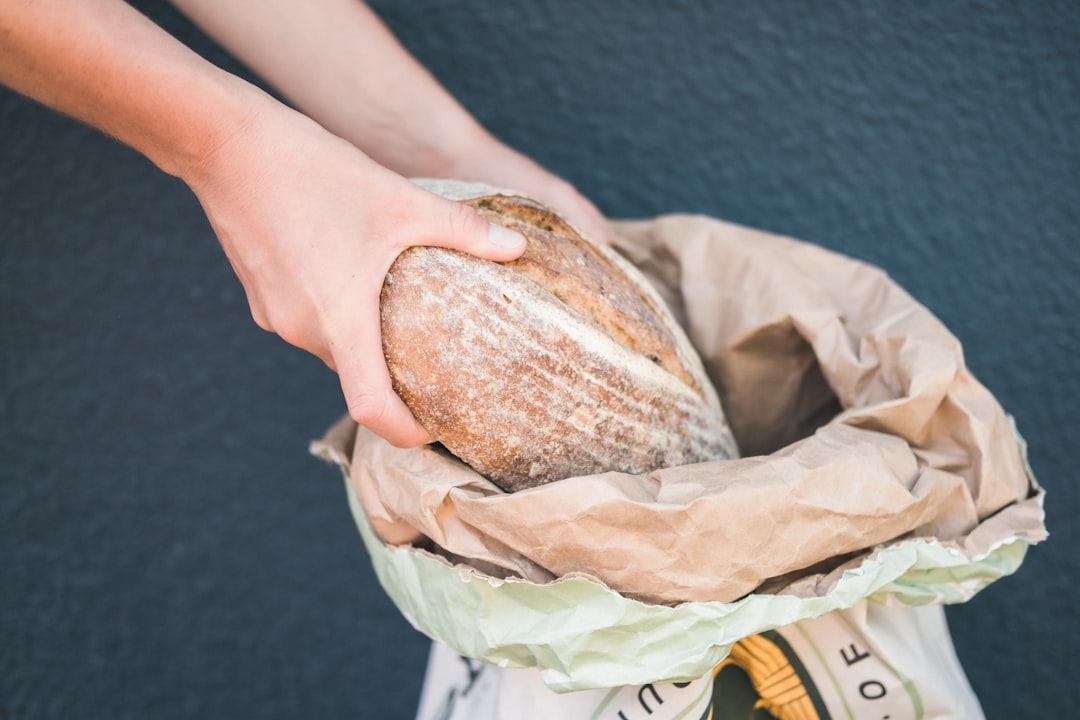


The best platform to sell sourdough in Georgia is Homegrown, which gives you an online storefront for $10 per month with local pickup and delivery scheduling, inventory management, and built-in card processing — no website, no marketplace fees, and no percentage taken from your sales. Georgia allows homemade bread sales under the Georgia Cottage Food Act, and sourdough has become one of the most popular cottage food products in the state.
The short version: Georgia's cottage food law allows direct-to-consumer sales of homemade bread products with an annual sales cap of $150,000 — one of the highest cottage food caps in the nation. No business license or health inspection is required, though vendors must register with the Georgia Department of Agriculture. Sourdough bread, with its long fermentation and artisan appeal, commands premium pricing ($8-$14 per loaf) and has a loyal repeat customer base. Homegrown ($10 per month annual, $12.50 monthly) handles ordering, payments (2.9% + $0.30 per transaction), pickup scheduling, and inventory. Other options include Square Online (free with Square branding), Etsy (6.5% per transaction plus listing fees), and Shopify ($39+ per month).
Georgia's cottage food law (O.C.G.A. § 40-7-19.1) permits the sale of non-potentially-hazardous food products made in a home kitchen:
Sourdough bread and related products that qualify:
Sourdough businesses in Georgia face the same challenges as sourdough sellers everywhere, plus some Georgia-specific dynamics:
Homegrown is built for local food vendors who sell through pickup or local delivery and farmers markets. You list your products, set pickup locations and times, and share one link.
Here is what Homegrown includes:
Pros:
Cons:
Best for: Georgia sourdough bakers selling through pickup and farmers markets.
Start your free 7-day trial with Homegrown.
Etsy provides marketplace visibility for artisan bread searches. On a $12 loaf, Etsy fees total approximately $1.56 — roughly 13% of the sale.
Pros:
Cons:
Best for: Georgia bakers selling shelf-stable items (dried starter, crackers) nationally.
Square Online syncs with Square POS for farmers market sales.
Pros:
Cons:
Best for: Georgia sourdough bakers already using Square at markets.
Shopify at $39 per month provides more infrastructure than a cottage food sourdough business needs.
Best for: Sourdough businesses scaling into commercial bakery operations.
| Feature | Homegrown | Etsy | Square Online (Free) | Shopify |
|---|---|---|---|---|
| Monthly cost | $10 (annual) | $0 (listing fees) | $0 | $39+ |
| Transaction fee | 0% | 6.5% | 0% | 0% |
| Card processing | 2.9% + $0.30 | 3% + $0.25 | 2.9% + $0.30 | 2.9% + $0.30 |
| Total fees on $12 loaf | ~$0.65 | ~$1.56 | ~$0.65 | ~$0.65 |
| Local pickup | Yes (built-in) | Workaround | Basic | With apps |
| Local delivery | Yes (built-in) | No | Basic | With apps |
| Loaf-count inventory | Yes | Basic | Basic | Yes |
| Food-specific features | Yes | No | No | No |
| Setup time | ~15 min | 30-60 min | 30-60 min | 4-8 hours |
On $1,200 per month in sourdough sales, Etsy fees total approximately $156 while Homegrown costs $10 plus approximately $65 in card processing — a $81 per month difference.
Georgia agricultural regulation and cottage food information is available from the Georgia Department of Agriculture, and food preservation research is available from the National Center for Home Food Preservation at the University of Georgia.
Start your free 7-day trial with Homegrown.
Yes. Sourdough bread qualifies under the Georgia Cottage Food Act as a non-potentially-hazardous food product. You must register with the Georgia Department of Agriculture (free registration), include required labeling, and comply with the $150,000 annual sales cap. No health inspection or business license is required, though local jurisdictions may have additional requirements.
Georgia's cottage food sales cap is $150,000 per year — one of the highest in the nation. This generous cap allows serious home bakers to run substantial businesses without needing to transition to a commercial kitchen. Most cottage food sourdough bakers operate well below this cap, so it is rarely a limiting factor.
Yes. Georgia requires cottage food producers to register with the Georgia Department of Agriculture. Registration is free and involves a simple online form. You do not need a business license or health department inspection, but registration is mandatory before you begin selling.
Standard sourdough loaves sell for $8-$12 in Georgia markets. Specialty loaves (jalapeño cheddar, rosemary olive oil, everything) sell for $10-$14. Sourdough focaccia sells for $10-$16 depending on size. Sourdough bagels sell for $2-$3 each or $12-$18 per half dozen. Pricing varies by location — Atlanta metro customers generally pay more than rural markets.
Atlanta has some of the strongest farmers markets: Freedom Farmers Market, Peachtree Road Farmers Market, East Atlanta Village Farmers Market, and the Atlanta State Farmers Market. Savannah, Athens, Augusta, and Marietta also have active markets with strong demand for artisan bread. Many Georgia markets have waitlists for baker vendors, so apply early.
Classic sourdough loaves are the consistent top seller. Specialty flavors — particularly jalapeño cheddar, rosemary garlic, and everything sourdough — sell well as premium options. Sourdough cinnamon rolls are a strong weekend item. During summer, lighter products like sourdough focaccia and sourdough crackers sell well. Georgia's warm climate means customers sometimes prefer smaller loaves that get consumed before the bread loses freshness.
Yes. Georgia's cottage food law permits direct-to-consumer sales, which includes personal delivery to the customer. Many Georgia sourdough bakers offer both pickup and delivery within a set radius (typically 15-20 miles). Delivery fees of $5-$10 help offset your time and gas costs. However, most bakers find that pickup is more efficient, especially when managing multiple deliveries across spread-out Georgia suburbs.
Georgia cottage food labels must include: product name, ingredients list, net weight, your name and address, and the cottage food disclaimer: "Made in a home kitchen that has not been inspected by the Department of Agriculture." For sourdough, list all ingredients including the flour type and any additions. Common allergen warnings (wheat, potential cross-contamination with nuts or dairy) should be included.
Yes. Georgia's cottage food law specifically includes special events as a permitted sales channel. Pop-up markets, craft fairs, holiday bazaars, and community events are all valid. Each event may have its own vendor requirements (application, insurance, booth fees), but the cottage food act covers the food production and sales legality.
Most home sourdough bakers in Georgia produce 20-50 loaves per week depending on oven size and schedule. A standard home oven fits 2-4 loaves per bake, and most bakers run 2-4 bakes per bake day across 2-3 bake days per week. As demand grows, a second oven or a larger countertop oven can double output. The $150,000 cap allows substantial production — at $10 per loaf, that is 15,000 loaves per year.
King Arthur bread flour is the most popular choice among Georgia sourdough bakers for its consistent protein content and reliable results. Local and regional mills — including some Georgia-based operations — offer specialty flours that differentiate your product. Whole wheat, rye, and spelt additions create variety in your product line. Georgia's humidity can affect flour moisture levels, so experienced Georgia bakers adjust hydration percentages seasonally.
Sourdough commands premium pricing ($8-$14 per loaf) compared to many other cottage food products, and ingredient costs are low (flour, water, salt). However, sourdough requires more time per unit than products like cookies or granola because of the long fermentation and baking process. The profitability depends on your hourly rate: if you value your time at $15-$20 per hour and can produce 20-30 loaves per bake day, sourdough is competitive with other cottage food products. The repeat customer loyalty of sourdough also means less marketing effort per sale over time.
Georgia's high humidity, especially during summer months, affects both fermentation speed and dough hydration. Higher ambient humidity means your dough absorbs less water than a recipe suggests — reduce hydration by 2-5% during humid months. Warmer temperatures also accelerate fermentation, shortening your bulk ferment time. Many Georgia sourdough bakers adjust their baking schedule seasonally: shorter fermentation in summer, longer in winter. Keeping your starter in the refrigerator between feedings helps control fermentation speed during hot Georgia summers.
Georgia's cottage food law restricts sales to direct-to-consumer channels: farmers markets, roadside stands, special events, and direct orders with pickup or personal delivery. Wholesale to grocery stores, restaurants, or other retail establishments is not permitted under the cottage food exemption. If you want to sell wholesale, you would need to transition to a licensed commercial kitchen or shared-use kitchen. Some Georgia bakers maintain cottage food sales for direct customers while also producing in a shared commercial kitchen for wholesale accounts.
Georgia does not require insurance for cottage food producers, but many farmers markets and special events require vendors to carry general liability insurance ($1 million per occurrence). Product liability insurance for cottage food bakers typically costs $200-$400 per year. If you sell only through home pickup and do not attend markets, insurance is optional but recommended once your sales exceed a few hundred dollars per month.
Step 1: Register with the Georgia Department of Agriculture (free, online). Step 2: Develop your product line — start with 2-3 core varieties. Step 3: Set up an ordering platform with your products, prices, and pickup schedule. Step 4: Create your labels with all required information. Step 5: Share your ordering link on social media and with your personal network. Most Georgia sourdough bakers are taking orders within 1-2 weeks of deciding to start. The hardest part is not the setup — it is building the discipline to bake consistently on your scheduled bake days.
Your products deserve a storefront where the listed price is what your customer pays — no marketplace fees, no checkout surcharges, no percentage taken from every sale. Homegrown gives food vendors a shareable ordering link, built-in payments, and local pickup and delivery scheduling for $10 per month flat. Start your free 7-day trial.



