
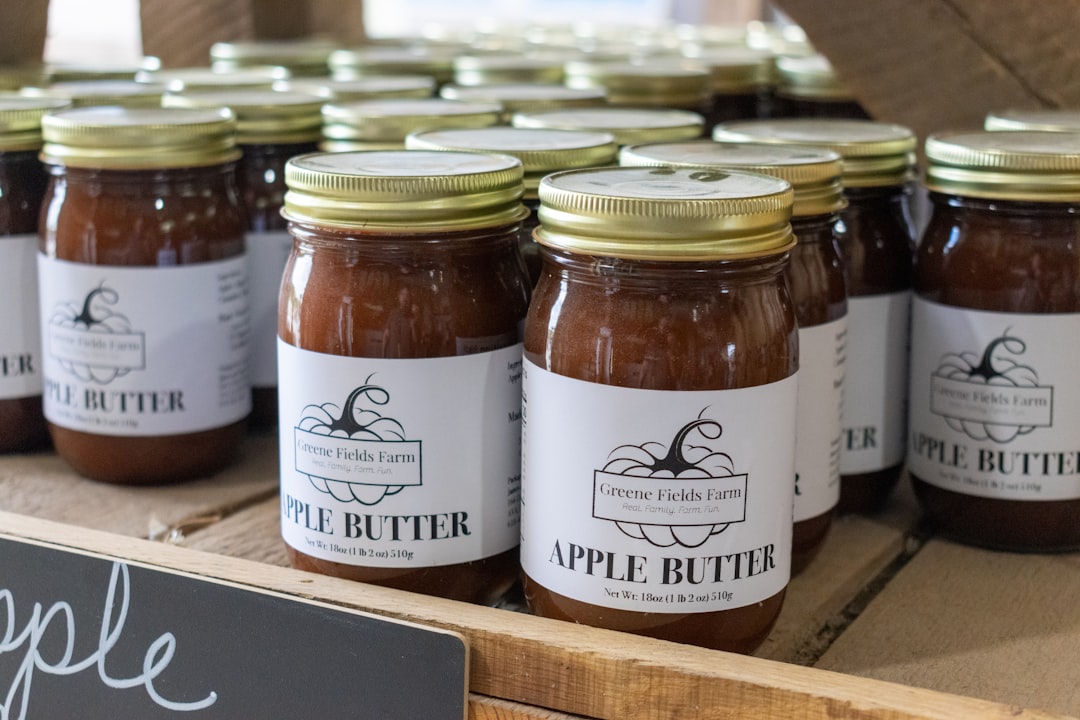


You walk into the farmers market one Saturday and see it. Another vendor two booths down is selling something that looks a lot like your signature product. Same flavor. Same style. Maybe even similar packaging. Your stomach drops. You feel angry, hurt, and a little panicked all at once.
This happens more often than people talk about. And how you respond to it matters a lot more than the fact that it happened.
The short version: When someone copies your product at the farmers market, the best response is to do nothing aggressive and double down on what makes your business yours. You cannot own a recipe or a product category. What you can own is your brand, your relationships, your consistency, and your customer experience. The vendors who survive copycats are the ones who focus on their own customers instead of obsessing over the competition.
Before you do anything, take a step back and ask yourself whether this is genuinely copying or just a coincidence. Farmers markets have a limited number of product categories. There are only so many things you can sell.
If you sell chocolate chip cookies and another vendor starts selling chocolate chip cookies, that is not copying. That is two people selling a common product. If another vendor starts selling your exact recipe with the same unique flavor combination, same name, and similar branding, that is closer to copying. But even then, the line is blurry.
Here are questions to honestly ask yourself:
Most of the time, what feels like copying is actually just overlap. And overlap is normal at any farmers market with more than a handful of vendors.
This is the hardest truth to accept, but it is important: you cannot own a recipe. The U.S. Copyright Office has stated that recipes — as mere listings of ingredients — are not eligible for copyright protection. You cannot trademark a flavor combination. You cannot claim exclusive rights to selling banana bread at your local farmers market.
Here is what intellectual property law actually protects in the food world:
| What Is Protected | What Is NOT Protected |
|---|---|
| A trademarked business name | A recipe or flavor combination |
| A specific logo or brand design | A product category (cookies, jam, bread) |
| Patented manufacturing processes (rare for small vendors) | The way you display your products |
| Copyrighted written content (your blog, your labels) | Your pricing strategy |
Unless someone is literally using your business name, copying your logo, or reprinting your labels, they are not doing anything legally wrong. And even if they are closely imitating your product, pursuing legal action as a small food vendor is almost never worth the cost, stress, or time.
The energy you spend worrying about whether someone copied you is energy you are not spending on your own customers. That trade-off hurts your business more than the copycat ever will.
This might sound frustrating to hear when you are upset, but someone imitating your product is a compliment. It means your product works. It means people noticed. It means there is demand.
Think about it this way:
The vendors who get copied are the ones who set the trend. You were first. Your customers know that. And being the original gives you an advantage that the other vendor cannot copy — your reputation and your history with your customer base.
This does not mean it does not sting. It does. But reframing it as validation rather than a threat will help you respond from a position of strength instead of fear.
You differentiate on the things that cannot be copied: your relationships, your story, your quality, your service, and your consistency. Products can be replicated. Brands cannot.
Here are specific ways to stand apart:
You do not need to be the only one selling a product. You need to be the best one selling it. That is a goal entirely within your control.
How you handle this situation says everything about your business. There are several responses that feel satisfying in the moment but will hurt you in the long run.
The high road is not just the ethical choice — it is the strategic one. Vendors who handle competition with grace earn more respect and loyalty from customers and fellow vendors than vendors who create drama.
Your existing customers are your biggest advantage, and most of them will not switch to the new vendor. People are loyal to people, not products.
Think about your own behavior as a customer. You probably buy coffee from the same shop even though there are a dozen other options. You go to the same hairstylist even though there are cheaper ones down the street. You return to the same farmers market vendor even though someone else sells something similar.
Why? Because you have a relationship. You trust them. Switching feels like a risk.
Your customers feel the same way about you. They are not going to abandon the vendor they have been buying from for two seasons just because someone new showed up with a similar product. Most of them will not even try the other vendor's version.
Your customer retention rate is your biggest competitive advantage. Ways to strengthen loyalty with your existing customers:
Focus on keeping the customers you have, not on worrying about losing them to someone who just showed up.
This is the question nobody wants to ask, but it is worth considering. What if the other vendor is making a genuinely better version of a similar product?
If that is the case, you have two options:
Competition is not comfortable, but it is healthy. The vendors who have survived the longest at any market have dealt with competitors many times over the years. Long-time vendors will tell you that competition comes and goes, but the vendors who focus on their own quality and their own customers are the ones who stay.
Being the best version of your own business is always a better strategy than trying to be the only one in a category.
It will happen. A customer will walk up and say "Oh, you sell brownies too? The vendor over there has them for two dollars less." Or "I tried their jam — have you tried it?"
Here is how to handle these moments:
The vendor who handles comparison questions with confidence and kindness wins every time. Customers remember how you made them feel, not what the other vendor charged.
There are rare situations where speaking up is appropriate. These are not about product overlap — they are about genuine misconduct.
It is worth saying something if:
In these cases, document what is happening (screenshots, photos, notes with dates) and bring it to the market manager calmly and privately. Do not handle it at your booth or in front of customers. Keep your documentation factual — dates, specific quotes, and photos work better than vague complaints. A market manager is much more likely to act when you come with "On June 8th and 15th, this vendor told customers they created this recipe, which I have been selling here for two years" than with "they are copying me." Framing the issue around market rule violations rather than personal grievances keeps the conversation professional and gives the manager something concrete to address.
For everything else — similar products, similar pricing, similar style — the answer is to focus on your own business and let your work speak for itself.
You can trademark your business name and logo through the United States Patent and Trademark Office, but you cannot trademark a recipe, a flavor, or a product category. Trademarks protect brand identity, not products themselves. If your primary concern is someone selling a similar product, a trademark will not help. If someone is using your business name or branding, a trademark can provide legal protection, but for most small food vendors, the cost and complexity of trademark enforcement is not practical.
Only if the other vendor is violating market rules — such as misrepresenting their products, using your business name, or selling commercially produced products as homemade. Product overlap alone is not something market managers can or will address. Most markets expect some overlap, especially in popular categories like baked goods, jams, and sauces.
Do not lower your prices to match. Price wars benefit no one and train customers to expect cheap products. Instead, emphasize the quality and care that goes into your products. Customers who buy based on price alone are not your ideal customers anyway. The ones who value what you make will pay your price without blinking.
Give yourself permission to feel frustrated, then redirect your energy. Remind yourself that overlap is normal, your customers are loyal to you specifically, and competition is a sign your product category has demand. Stay busy at your own booth. Focus on your customers. The feelings usually fade once you see that your regulars keep showing up regardless of what the other vendor is doing.
Not if it is your best seller. Changing a successful product to avoid competition is letting another vendor control your business decisions. If you want to add new products for variety, do that because your customers want it — not because you are running from competition. Your energy is better spent improving what already works than reinventing your lineup out of fear.
Yes. Offering online ordering gives your customers a way to buy from you anytime, not just at the market. It makes your business more convenient and builds a direct relationship that a copycat at the market cannot replicate. When customers can pre-order from you during the week, they are not browsing other booths on Saturday morning — they are picking up their order from you.



