
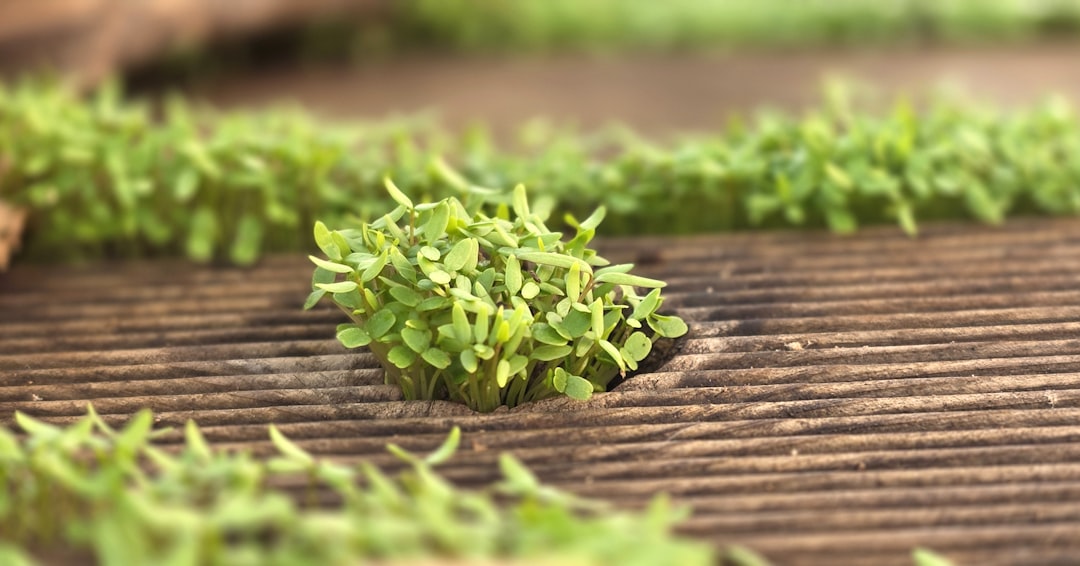


Sprouts are one of the fastest-turnaround products you can grow. Four to six days from seed to harvest. No soil needed. Minimal space — a single shelving unit produces enough for a farmers market booth. The margins are strong, too: a 4-ounce container of sprouts costs about $1 to produce and sells for $3 to $5 at the market.
But here is what most sprout growing guides skip: sprouts are not cottage food. They are classified as TCS (Time/Temperature Control for Safety) foods in every state because of their well-documented food safety risks. Between 1996 and 2020, there were 52 sprout-related outbreaks in the United States, causing over 2,700 illnesses. This means you need proper permits, a food safety plan, and refrigeration at every stage. This guide covers the real regulatory path, the production process, seed sanitization, costs, and how to sell sprouts profitably at farmers markets.
The short version: Sprouts do not qualify for cottage food laws in any state because they are TCS foods. You need a state food processor license or produce grower registration to sell them commercially. Farms averaging under $34,324 per year in produce sales (the rule's $25,000 line adjusted for inflation) are fully excluded from the FDA's FSMA Produce Safety Rule. Most sprout varieties grow from seed to harvest in 4 to 6 days. Alfalfa yields 7 to 9 pounds of sprouts per pound of seed. Total production cost is about $0.90 to $1.25 per 4-ounce container, and they sell for $3 to $5 at farmers markets — margins of 65 to 75 percent. Startup costs are $250 to $700.
Sprouts are classified as potentially hazardous foods (TCS) because the warm, moist conditions required to grow them are also ideal for pathogen multiplication. This is not a theoretical risk — it is a documented pattern of real outbreaks.
Unlike most produce, sprouts are never cooked before eating. They are consumed raw, which means any contamination present at harvest goes directly to the customer. This is why every state classifies sprouts as TCS and excludes them from cottage food laws.
Cottage food laws are designed for shelf-stable, low-risk products like baked goods, jams, and candy. Sprouts are the opposite — perishable, high-moisture, and historically linked to foodborne illness. For an overview of what does qualify as cottage food, read our guide on how to start a cottage food business.
The specific permit name varies by state, but the regulatory path generally involves three steps.
Contact your state department of agriculture and describe your operation. You will typically need one of the following:
The permit usually requires an application ($50 to $300 depending on the state), a facility description, and in many cases an inspection of your production space. Some states allow sprout production in a dedicated home kitchen. Others require a licensed commercial kitchen.
The FDA's FSMA Produce Safety Rule includes Subpart M — a section specifically for sprout operations. It requires spent irrigation water testing for E. coli O157:H7 and Salmonella on every production batch, plus environmental testing for Listeria.
However, most small farmers market vendors qualify for an exemption:
Even if you qualify for an exemption, the Sprout Safety Alliance recommends completing their grower training. The Illinois Institute of Technology hosts the FDA-recognized Sprout Safety Alliance training program, which covers seed treatment, water testing, environmental monitoring, and record keeping. Part 1 is available online for $198.
Most counties require a temporary food establishment permit for each farmers market where you sell. This is separate from your production license. The health department will verify that you have mechanical refrigeration to hold sprouts at 41 degrees Fahrenheit or below during market hours. Permit fees typically run $25 to $100 per market.
Not all sprouts are equal in terms of ease of production, yield, or market demand. Here is how the most common varieties compare:
| Variety | Days to Harvest | Yield Ratio (Seed to Sprout) | Market Appeal | Best For |
|---|---|---|---|---|
| Alfalfa | 4-6 | 7:1 to 9:1 | High — familiar, classic | Beginners, volume |
| Broccoli | 3-7 | 4.5:1 | Very high — health trend | Premium pricing |
| Mung bean | 2-6 | 2:1 to 3.5:1 | High — cooking staple | Volume, broad appeal |
| Radish | 2-5 | 3:1 to 4:1 | High — spicy, colorful | Mix varieties, chefs |
| Lentil | 2-5 | 3:1 to 4:1 | Medium | Easy, low risk |
| Pea shoots | 10-14 | 1.5:1 to 2:1 | High — restaurant demand | Premium, longer cycle |
| Sunflower | 7-10 | 1.5:1 | Medium-high — nutty | Salads, garnish |
Alfalfa is the most forgiving variety and has the best yield ratio. One pound of alfalfa seed produces 7 to 9 pounds of sprouts. It is the classic sprout that every customer recognizes.
Broccoli is the premium variety. Broccoli sprouts contain 10 to 100 times more sulforaphane than mature broccoli heads, and the health-conscious farmers market shopper knows this. Broccoli sprouts command higher prices.
Mung bean is the workhorse for volume. Fast growing, heavy yield by weight, and familiar across many culinary traditions.
Start with alfalfa and broccoli. Add mung bean and radish once you have your production cycle dialed in.
If you are also interested in growing greens on a slightly longer cycle, microgreens use a similar setup but grow in soil or growing mats. Read our guide on how to sell microgreens from home for that product line.
Oregon State University's horticulture program provides a detailed sprout production guide covering commercial growing methods, temperature requirements, and yield expectations. Here are the two most practical methods for small-scale production.
One quart jar produces approximately 4 to 6 ounces of alfalfa sprouts per cycle.
The tray method is better for producing multiple varieties simultaneously and scales more easily than jars.
| Item | Cost | Notes |
|---|---|---|
| Wide-mouth quart jars (12) | $15-$25 | For jar method |
| Mesh sprouting lids (12) | $10-$20 | Stainless steel preferred over plastic |
| Sprouting trays (6-8) | $30-$60 | For tray method scale-up |
| Shelving unit (4-tier) | $30-$60 | Metal or plastic, fits in closet or spare room |
| Clamshell containers (100 ct) | $20-$40 | 4-ounce clear plastic |
| Labels (100 ct) | $10-$20 | Include variety, weight, your info |
| Cooler or portable refrigerator | $30-$300 | For market-day transport and display |
| Calcium hypochlorite | $15-$25 | Food-grade, for seed sanitization |
| Digital thermometer | $10-$15 | For monitoring growing and storage temps |
| Sprouting seeds (initial stock) | $50-$100 | Use seeds labeled for sprouting, not garden seeds |
| Total startup | $250-$700 | Depending on method and scale |
Only use seeds specifically tested and labeled for sprouting. Garden seeds and field seeds are not tested for human consumption sprouting and may carry higher pathogen loads. Specialty suppliers like True Leaf Market and Sprout People sell sprouting-grade seeds with test documentation.
| Component | Cost per 4oz Container |
|---|---|
| Seeds (alfalfa) | $0.40-$0.60 |
| Clamshell container | $0.20-$0.40 |
| Label | $0.10-$0.15 |
| Water, electricity | $0.05-$0.10 |
| Total COGS | $0.75-$1.25 |
| Variety | Cost per 4oz Container | Market Price | Margin |
|---|---|---|---|
| Alfalfa | $0.90-$1.10 | $3-$4 | 65-73% |
| Broccoli | $1.10-$1.50 | $4-$5 | 63-73% |
| Mung bean | $0.60-$0.90 | $3-$4 | 70-78% |
| Radish | $0.90-$1.20 | $3.50-$4.50 | 67-74% |
| Mixed sprout blend | $1.00-$1.30 | $4-$5 | 68-74% |
For a higher-volume setup using trays, you can double or triple this output without significantly more space.
Price slightly above grocery store sprouts ($2.79 to $3.70 per 4 ounces) because your product is fresher — often harvested the morning of or the day before market. Freshness is your competitive advantage. Grocery store sprouts may be 5 to 7 days old by the time a customer buys them. On September 24, 2026, a 4-ounce pack of organic alfalfa sprouts cost $2.69 to $4.43 at three grocery stores, and our sprout pricing guide with the cost of each pack shows why $4 still leaves room after seed, clamshell and card fees.
Since sprouts sell out fast and customers hate missing their favorites, giving regulars a way to pre-order during the week guarantees they get what they want and guarantees you revenue before you harvest.
Food safety is the non-negotiable foundation of a sprout business. Customers trust you to sell a safe product, and regulators will hold you to a higher standard than other produce vendors.
The industry standard, referenced by the FDA:
This treatment achieves up to a 5-log reduction in surface bacterial load. It does not eliminate pathogens that may be inside the seed — no treatment does. This is why ongoing vigilance, proper temperature control, and batch testing (for larger operations) are essential.
Sprouts are a consumable product with a short shelf life, which means regular customers reorder frequently — a weekly buyer represents $150 to $200 per year from a single product. The problem is managing those reorders. When 15 regulars are texting you on Wednesday asking "do you have broccoli this week?" and you're cross-referencing a notes app to figure out how much to grow, the system breaks down fast.
Homegrown is $10/month with no commission, plus card processing of 2.9% + $0.30 per order — list your available varieties each week, and customers pre-order and pay before you harvest. When the broccoli sprouts are claimed, the listing closes and you know exactly how many trays to grow. Homegrown won't manage delivery logistics or handle restaurant wholesale accounts — sprouts need cold chain that you control. But for your weekly regulars who just want their alfalfa and broccoli reserved before Saturday, it replaces the text-message juggling act.
Sprouts grow year-round indoors, which gives you a significant advantage over seasonal produce vendors. While other vendors disappear during winter, you can sell at indoor markets and through online pre-orders every week of the year.
If you already sell at a farmers market and want to add online pre-orders, read our guide on how to add online ordering to your existing farmers market business.
No. Sprouts are classified as TCS (Time/Temperature Control for Safety) foods in every state and are excluded from cottage food laws. You need a state food processor license, produce grower registration, or similar permit to sell sprouts commercially.
Most varieties reach harvest in 4 to 6 days. Alfalfa takes 4 to 6 days, broccoli 3 to 7 days, mung bean 2 to 6 days, and radish 2 to 5 days. Pea shoots take longer at 10 to 14 days.
Yes. Margins are strong at 65 to 75 percent, and the fast production cycle means you can respond quickly to demand. The key cost is your time — rinsing twice daily and maintaining food safety protocols. A small home setup producing 20 to 24 containers per week generates $80 to $96 in weekly revenue.
Use an insulated cooler with gel packs or a portable 12-volt refrigerator. Sprouts must stay at or below 41 degrees Fahrenheit from the moment you harvest until the customer takes them home. Never let sprouts sit at room temperature.
Most states require a written food safety plan (which may or may not be a formal HACCP plan) for sprout operations. Even if your state does not explicitly require one, having a documented plan that covers seed sanitization, temperature monitoring, and batch tracking protects you legally and demonstrates professionalism to market managers.
Yes, but delivery logistics are challenging because sprouts are perishable. The most practical approach is online pre-orders with pickup at the market or a designated location. This guarantees the customer gets fresh sprouts and eliminates shipping concerns.
Sprouts are grown in water, eaten whole (seed, root, and shoot), and harvested in 4 to 6 days. Microgreens are grown in soil or growing mats, only the stem and leaves are eaten (the root stays in the growing medium), and they take 7 to 21 days to harvest. Microgreens are generally considered lower risk because they are not consumed with the seed and root.
Sprouts take more food safety diligence than most cottage food products, but the payoff is a fast-growing, high-margin product that you can produce year-round in a closet-sized space. Get your permits sorted, dial in your seed sanitization protocol, and start with two varieties.



