
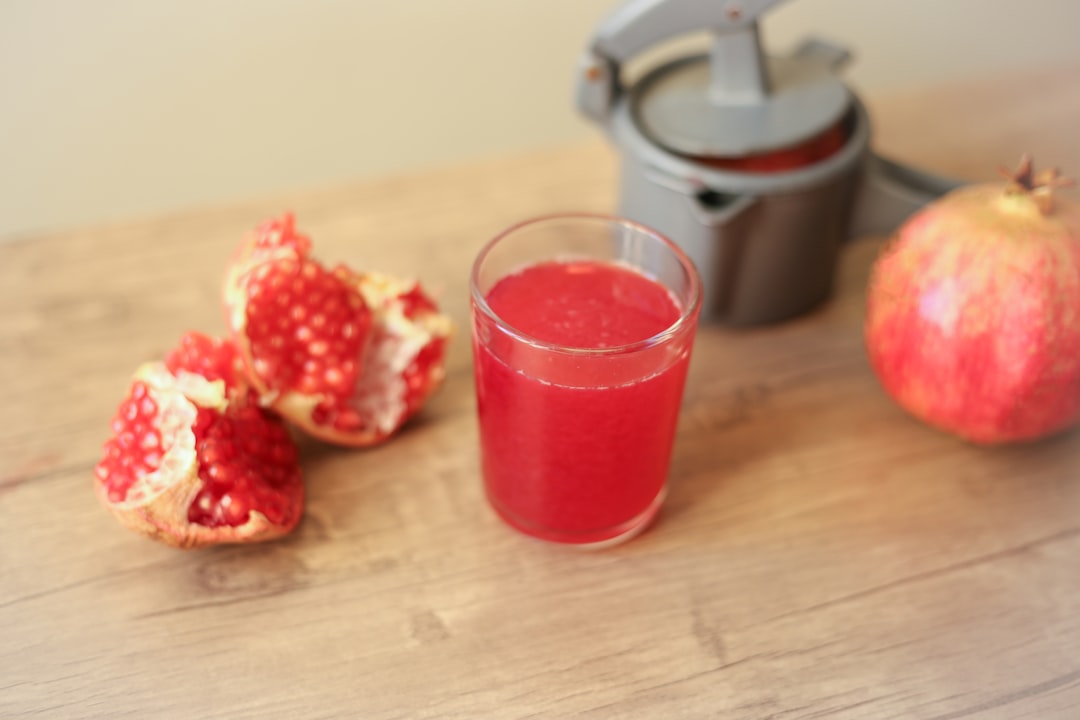


Shrubs are one of the most under-the-radar products you can sell at a farmers market. A shrub is a concentrated fruit vinegar syrup — fruit, sugar, and vinegar combined into a tangy, sweet concentrate that mixes with sparkling water for a refreshing drink or with spirits for a craft cocktail. They date back to Colonial America and even earlier, but they are having a modern moment thanks to the growing interest in non-alcoholic beverages and gut-friendly drinks.
This guide covers the cottage food rules for shrubs (which are more complicated than you might expect), both production methods, equipment, ingredient costs, pricing, and how to build a seasonal product line around drinking vinegars.
The short version: Shrubs are a concentrated fruit vinegar syrup, not a ready-to-drink beverage. Most states allow flavored vinegars as cottage food, and shrubs fit that category — but classification varies by state. The safest approach is to sell refrigerated and label the product as a "fruit vinegar syrup" rather than a beverage. Production is simple (fruit, sugar, vinegar), with a batch taking 2 to 3 days for the cold process. Ingredient costs run $1.40 to $2.65 per 8-ounce bottle, and they sell for $12 to $18 at markets — giving you margins of 78 to 88 percent. The sober-curious movement is a massive tailwind, with 49 percent of Americans planning to drink less in 2025.
This is where shrubs get tricky. The answer depends on how your state classifies the product.
Most state cottage food laws were written before drinking vinegars became a commercial product. Washington's cottage food page says no beverages are allowed at all, and Michigan's list bars simple syrups, two of the seven states compared in our guide to whether you can sell homemade vinegar from your kitchen. Many states allow "vinegar" and "flavored vinegar" as cottage food but ban "beverages." A shrub is technically a flavored vinegar syrup — not a ready-to-drink beverage — but an overly strict inspector could push back.
For the full cottage food setup process, read our guide on how to start a cottage food business. If you are also interested in fermented beverages, check out our guide on how to sell kombucha from home — kombucha faces similar classification challenges.
There are two methods: the cold process (better flavor, takes longer) and the hot process (faster, longer shelf life). Most vendors prefer the cold process for its brighter, fresher taste.
The standard ratio is 1:1:1 — equal parts fruit, sugar, and vinegar by volume. A 2-cup batch of each yields approximately 4 to 4.5 cups of finished shrub, which fills 5 to 6 standard 8-ounce bottles.
"The cold process takes patience — 3 days of waiting — but the flavor difference is worth it. Hot process shrubs taste cooked. Cold process shrubs taste like the fruit itself, sharpened with acid."
Shrub production requires almost no specialized equipment. If you have a kitchen, you have everything you need.
| Item | Cost Range | Notes |
|---|---|---|
| Glass or stainless steel bowls | $10 - $20 | Non-reactive — do not use aluminum or copper |
| Fine mesh strainer or cheesecloth | $5 - $15 | For straining fruit solids |
| Glass bottles (8 oz, swing-top) | $1.00 - $1.50 each | Professional presentation |
| Funnel | $3 - $5 | For clean bottling |
| Digital scale | $15 - $25 | For consistent recipes |
| Labels | $15 - $30 | For ingredient lists and branding |
| Saucepan (for hot process) | $0 (already own) | Non-reactive |
| Category | Cost Range |
|---|---|
| Equipment (bowls, strainer, funnel) | $25 - $60 |
| Bottles (first 50) | $50 - $75 |
| Initial ingredients (5 batches) | $30 - $60 |
| Labels | $15 - $30 |
| Total | $120 - $225 |
Shrubs have one of the lowest startup costs of any farmers market product. You can start selling with under $150 invested.
Ingredient costs are low, and the main variable is the price of fresh fruit.
| Ingredient | Amount | Cost |
|---|---|---|
| Fresh fruit | 2 cups (~1/2 lb) | $1.50 - $3.00 |
| Sugar | 2 cups | $0.40 - $0.60 |
| Vinegar (apple cider, 5% acidity) | 2 cups | $0.80 - $1.50 |
| Total batch | $2.70 - $5.10 |
| Component | Cost |
|---|---|
| Ingredients | $0.45 - $0.85 |
| Glass bottle | $0.80 - $1.50 |
| Label | $0.15 - $0.30 |
| Total per bottle | $1.40 - $2.65 |
| Product | Your Cost | Selling Price | Margin |
|---|---|---|---|
| 8 oz bottle | $1.40 - $2.65 | $12 - $18 | 78-88% |
| 4 oz sampler | $0.90 - $1.60 | $7 - $9 | 78-87% |
| 16 oz bottle | $2.50 - $4.50 | $20 - $28 | 84-87% |
The margins on shrubs are exceptional — comparable to the best cottage food products. Buying fruit in season from local farms or growing your own pushes costs even lower.
Shrubs are a premium artisan product. Customers who understand what they are buying will pay $12 to $18 for a well-made 8-ounce bottle without hesitation. Plain flavored vinegar sells lower, around $9 for 8 ounces, and our guide to pricing vinegar shows the bottle, cap and label alone cost $1.20 before any fruit goes in.
| Product | Suggested Price | Notes |
|---|---|---|
| 4 oz sampler bottle | $7 - $9 | Perfect impulse buy at market |
| 8 oz bottle | $12 - $18 | Standard retail size |
| 16 oz bottle | $20 - $28 | For regular customers and cocktail enthusiasts |
| 3-bottle gift set | $30 - $40 | Holiday and special occasion |
"Shrubs sell on the sample. Bring a jug of sparkling water, a sleeve of small cups, and your three best flavors. Let people taste. Then watch them reach for a bottle."
Shrubs are naturally high in acid, which makes them one of the safer food products you can make — but there are rules you need to follow.
Always use commercial vinegar labeled at 5 percent acidity (also called "50 grain"). As the University of Maine Extension explains in their guide on vinegar concerns for home food preservers, homemade vinegar has an unknown and variable acidity level, which makes it unsafe for preservation. Commercial 5 percent vinegar ensures your shrub reaches a pH well below 4.6 — the threshold below which Clostridium botulinum (the bacteria that causes botulism) cannot grow.
Ohio State University Extension reinforces this in their guide on preserving vinegar-based products: the 5 percent acidity of commercial vinegar is the foundation of safety for any vinegar-preserved food.
| Storage | Quality Duration |
|---|---|
| Refrigerated (unopened) | 6-12 months |
| Refrigerated (opened) | 6 months |
| Room temperature | Not recommended for cottage food (triggers FDA regulations) |
A rotating seasonal menu of 3 to 5 flavors keeps customers coming back and aligns with whatever fruit is in season locally.
| Fruit | Vinegar | Add-In | Season |
|---|---|---|---|
| Strawberry | Apple cider or balsamic | Fresh basil | Late spring |
| Raspberry | Red wine | Mint | Summer |
| Blackberry | Apple cider | Ginger and cardamom | Summer |
| Peach | Champagne or white wine | Thyme | Midsummer |
| Blueberry | Apple cider | Lavender | Summer |
| Apple | Apple cider | Cinnamon and clove | Fall |
| Pear | White wine | Ginger and vanilla | Fall |
| Cranberry | Red wine | Orange zest and rosemary | Winter |
Shrubs work through channels that value craft beverages and artisan products.
Once someone discovers that a blueberry-thyme shrub transforms their sparkling water routine, they reorder monthly. The trick is making reordering frictionless — a customer who has to DM you and wait for a response is a customer who might just forget. Homegrown is $10/month — list your current flavors with tasting notes and bottle sizes, and your regulars can reorder anytime without a back-and-forth conversation. Homegrown does not handle wholesale accounts with bars or manage shipping logistics — for those you need direct relationships and a proper e-commerce setup. But for local repeat customers who know exactly which flavor they want, it keeps reorders flowing between market days without you touching your phone.
A 3-bottle gift set in a decorative box sells well during the holidays and for special occasions. Price at $30 to $40 and market as a unique, handmade gift.
For adding online ordering, read how to add online ordering to your existing market business.
Ready to turn this into a real business? The easiest way to take local orders and get paid is an online storefront — see the best platform to sell food from home, or set up a Homegrown storefront in about 15 minutes ($10/mo, 0% commission).
A shrub is a fruit vinegar syrup — fruit, sugar, and vinegar. A switchel is a simpler drink — apple cider vinegar, honey or maple syrup, ginger, and water. Switchels are ready to drink as-is. Shrubs are concentrated and meant to be mixed with sparkling water or spirits. Both are experiencing a resurgence, but shrubs offer more variety and higher margins.
No. Shrubs are non-alcoholic. They use vinegar (not wine) and no fermentation occurs during production. They are popular both as a cocktail mixer and as a standalone non-alcoholic beverage mixed with sparkling water.
The cold process takes about 30 minutes of hands-on work spread over 2 to 3 days (most of that time is the fruit macerating in sugar in the refrigerator). The hot process takes about 1 hour from start to bottled. Either method can be scaled easily — making 5 batches takes roughly the same active time as making 1.
Start with 8-ounce swing-top glass bottles — they look professional, hold enough shrub for about 8 servings, and price well at $12 to $18. Add a 4-ounce sampler size ($7 to $9) for impulse buyers and first-time customers. Some vendors also offer 16-ounce bottles for regular customers.
Technically, the high acidity of a properly made shrub makes it safe at room temperature. However, selling shelf-stable acidified foods triggers federal regulations (21 CFR Part 114) that require FDA registration and a process authority review. For a part-time vendor, selling refrigerated is the simpler and smarter path.
Start with 20 to 30 bottles across 3 flavors, plus enough mixed shrub-and-sparkling-water for sampling throughout the market day. Expect to sell 10 to 15 bottles your first week as customers learn what shrubs are. Sales typically grow as word of mouth builds.



