
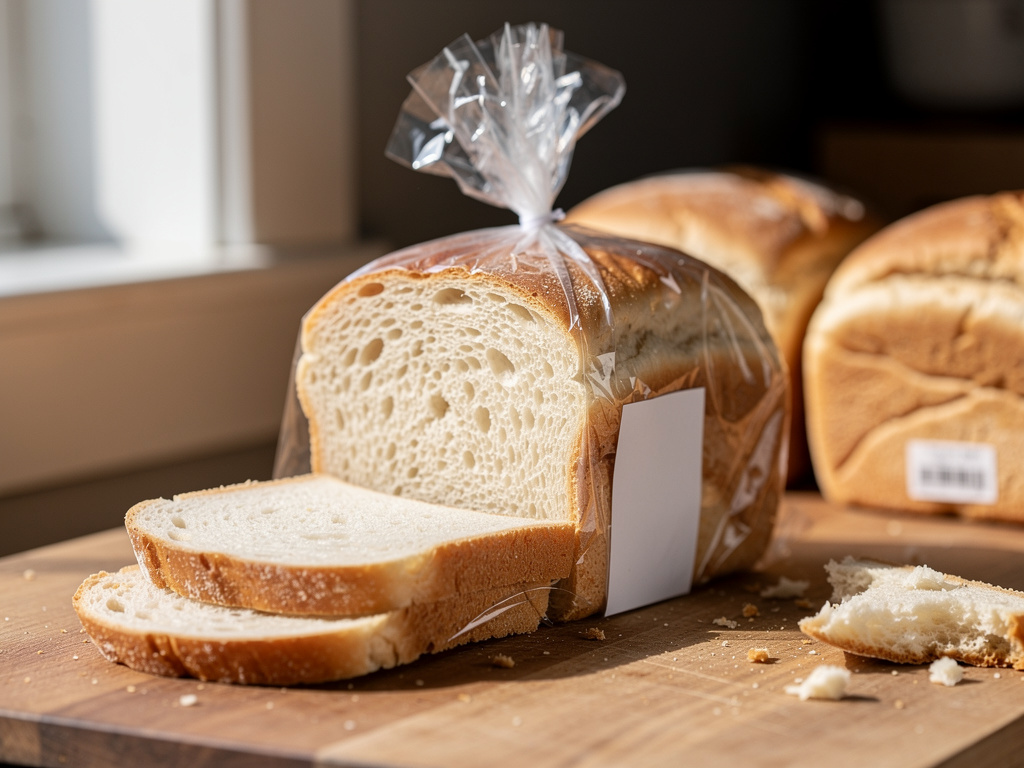


Everyday sandwich bread doesn't get the glamour of sourdough or fancy pastries, but it might be the most powerful product a home baker can sell, because people eat it every single week. A great loaf of soft, sliceable homemade sandwich bread turns into a recurring purchase in a way a special-occasion cake never will, and recurring purchases are the foundation of a stable food business. The challenge is that bread is also lower-margin and freshness-sensitive, so selling it profitably takes some thought. This guide covers how to sell sandwich bread and bagged loaves from home: why everyday bread is such a strong recurring product, how to handle freshness and slicing, how to price bread profitably despite thin margins, and how to build a bread business on repeat customers.
The short version: Sandwich bread and bagged loaves are shelf-stable, cottage-legal baked goods (verify your state) with a unique advantage: people buy them regularly, making bread a powerful recurring-revenue product. The keys to selling it well are handling freshness (bread is best fresh and stales fast, so bake close to pickup and guide customers on storage/freezing), pricing profitably despite bread's thin margins (know your true cost and price for your time, don't undervalue it), and building repeat customers through subscriptions, standing orders, and consistent quality. Sandwich bread won't wow like a fancy pastry, but its everyday, repeat-purchase nature makes it one of the most stable products a home baker can build a business on. Verify your state's rules, then lean into recurring bread sales.
This guide covers why everyday bread is powerful, freshness and slicing, pricing profitably, and building a bread business.
Everyday sandwich bread is a strong product because people buy it regularly, week after week, making it a recurring-revenue product that builds a stable business in a way occasional treats can't. Repeat purchase is its superpower.
Why everyday bread is powerful:
The strategic advantage:
Everyday sandwich bread is quietly one of the most powerful products a home baker can sell, precisely because it's everyday. Unlike a special-occasion cake that a customer buys once a year, sandwich bread is a staple people buy week after week, which turns it into a recurring-revenue product, and recurring revenue is the foundation of a stable, predictable food business. A great loaf becomes part of a customer's weekly routine, building a loyal base of repeat buyers. And because sandwich bread is shelf-stable and cottage-legal (verify your state), with broad demand and a clear quality edge over store bread, it's both widely sellable and genuinely appealing. Understanding your permits and rules is part of setting up properly, which the U.S. Small Business Administration's guidance on licenses and permits helps orient. The everyday, repeat-purchase nature of bread is exactly what makes it strategically valuable.
You handle bread freshness by baking close to pickup and guiding customers on storage and freezing, and you handle slicing by deciding whether to offer sliced loaves for convenience. Fresh timing and customer guidance are key.
Handling freshness:
Handling slicing:
Why these matter:
Handling freshness and slicing well protects bread's quality advantage. On freshness: bread is best fresh and stales quickly, so bake as close to pickup as practical (aligning with customer pickup or delivery), sell it fresh when your quality edge over store bread is greatest, and guide customers on storage, room temperature short-term (not the fridge, which speeds staling) and freezing for longer keeping, which prevents waste. On slicing: consider offering sliced loaves for sandwich convenience, which customers may value, while noting that sliced bread can stale slightly faster; offering both whole and sliced lets customers choose. Manage your quantities to what you can sell fresh. General food-storage principles, like those in the U.S. Food and Drug Administration's food resources, are useful background. Fresh timing plus good customer guidance keeps your bread at its best and your customers happy.
You price bread profitably by knowing your true cost, valuing your time properly, and pricing for the premium of great homemade bread, since bread's margins are thin and easy to underprice. Don't undervalue your bread.
The bread pricing challenge:
How to price bread profitably:
The mindset shift:
Pricing bread profitably requires overcoming a real challenge: bread's margins are thin because while ingredients are cheap, the labor is substantial (bread takes hours across mixing, proofing, shaping, and baking), so it's dangerously easy to underprice bread and earn almost nothing for your time. The temptation to compete with cheap store bread makes this worse. The fix is a mindset shift: you're selling premium homemade bread, not commodity bread, so price it accordingly. Know your true cost per loaf (with a fair value for your significant labor), price for the premium quality your bread genuinely has, and add a healthy margin even if it lands well above store-bread prices, your product justifies it. Managing pricing well is part of running your business, which the U.S. Small Business Administration's guidance on managing your business supports. Don't race to the bottom against mass-produced bread; price for your real cost and quality, and your loyal weekly customers will pay for it.
You build a bread business on repeat customers by leveraging bread's recurring nature through subscriptions, standing orders, and consistent quality, turning weekly demand into predictable revenue. Recurring is the whole model.
How to build recurring bread sales:
Why the recurring model is powerful:
The way to build a bread business is to lean fully into bread's recurring nature. Because customers buy bread weekly, the biggest opportunity is turning that into predictable revenue through subscriptions and standing weekly orders, so establish a weekly baking and pickup/delivery rhythm that customers can count on. Deliver consistent, excellent quality every week, since recurring customers return for reliability, and make reordering effortless (standing orders keep customers in the habit). Offer variety within bread, white, wheat, seeded, to serve preferences and keep it interesting, and use farmers markets to find new customers who become recurring buyers. This recurring model is powerful: standing weekly orders give you predictable revenue and a loyal base, and knowing your orders lets you produce efficiently. Because bread is a weekly staple, building a subscription-and-standing-order business around it turns everyday demand into the stable, compounding foundation of a strong food business.
Selling bread on a recurring, weekly basis means managing subscriptions, standing orders, and pickup cleanly, which a real storefront makes easy. Homegrown is $10 a month with no percentage fees beyond standard payment processing, and it gives you a storefront to take bread orders and manage recurring, weekly sales.
How it compares to the alternatives:
What Homegrown does well: a storefront to take bread orders, support recurring and standing weekly orders, and coordinate local pickup and delivery, all at a low flat cost, with a fifteen-minute setup. Managing weekly bread orders through a real storefront directly supports the recurring model that makes bread so valuable. When you're ready to sell bread on a recurring basis, you can set up your storefront today.
The biggest mistakes are underpricing bread and not building recurring sales. Because bread's value is its thin-margin, repeat-purchase nature, the errors that matter most involve pricing and recurring revenue.
Mistakes to avoid:
Getting these right means pricing bread for its real cost and premium quality, building recurring subscriptions and standing orders, and delivering consistent quality.
Yes, and it's more valuable than it looks, because sandwich bread is an everyday staple people buy weekly, making it a powerful recurring-revenue product. Unlike a special-occasion cake bought once, bread becomes a standing part of customers' weekly routines, giving you predictable, repeat income, the foundation of a stable food business. It's also shelf-stable and cottage-legal (verify your state), with broad demand and a clear quality edge over store bread. The main challenges are bread's thin margins (so price for your labor and quality, not commodity prices) and freshness (bake close to pickup). Handled well, everyday bread's repeat-purchase nature makes it one of the most stable products a home baker can build a business on.
Bake as close to pickup as practical, since bread is best fresh and stales quickly, and guide customers on storage. Sell bread at its freshest, when your quality advantage over store bread is greatest, and tell customers how to keep it: store at room temperature for short-term use (refrigerating bread can actually speed staling), and freeze loaves or half-loaves they won't eat soon, freezing is the best way to keep bread longer and prevents waste. Manage your quantities to what you can sell fresh rather than overproducing. This combination of fresh baking timing and clear storage guidance (room temperature short-term, freezer for longer) keeps your bread at its best and helps customers enjoy every loaf without waste.
Because bread has thin margins: the ingredients are inexpensive, but the labor is substantial, bread takes hours across mixing, proofing (often long), shaping, and baking, so pricing on cheap ingredients drastically undervalues your time. Add the temptation to compete with cheap store bread, and it's easy to underprice bread and earn almost nothing. The fix is a mindset shift: you're selling premium homemade bread, not commodity bread. Calculate your true cost per loaf including a fair value for your significant labor, price for the genuine premium quality of homemade bread, and add a healthy margin even if it's well above store prices. Don't race to the bottom; compete on quality and price for your real cost.
You can offer either or both. Sliced loaves are more convenient for sandwiches, which many customers value, so offering sliced bread can be a selling point. However, slicing adds a step, and sliced bread can stale slightly faster than a whole loaf (more surface area exposed). A good approach is to offer both whole and sliced, letting customers choose based on their preference, some want the convenience of sliced, others prefer a whole loaf they slice themselves. If you offer sliced, slice cleanly and package well to keep it fresh and tidy, and note that it may be best eaten a bit sooner. Weigh the convenience benefit against the slight freshness trade-off for your customers.
Lean into bread's weekly-purchase nature by offering subscriptions and standing weekly orders, which turn recurring demand into predictable revenue, bread's biggest opportunity. Establish a regular baking and pickup/delivery rhythm customers can count on, deliver consistent excellent quality every week (recurring customers return for reliability), and make reordering effortless with standing orders that keep customers in the habit. Offer variety within bread (white, wheat, seeded) to serve preferences, and use farmers markets to find new customers who become recurring buyers. Standing weekly orders give you stable, forecastable income and let you plan production efficiently. Because bread is a weekly staple, a subscription-and-standing-order model turns everyday demand into a stable, compounding revenue base.
Yes, if you price it right and build recurring sales. Bread's thin margins mean you must price for your real cost and premium quality (not commodity store-bread prices), valuing your significant labor, otherwise you'll earn little. But bread's superpower is that people buy it weekly, so a base of recurring customers, through subscriptions and standing orders, gives you predictable, compounding revenue that a one-off product can't match. So the money in bread comes from two things together: pricing each loaf fairly for its quality and your time, and building a loyal recurring customer base that buys week after week. Get both right, and homemade bread becomes a stable, profitable foundation for your business rather than a low-margin grind.
Sandwich bread and bagged loaves may lack glamour, but their everyday, repeat-purchase nature makes them one of the most powerful, stable products a home baker can sell. Handle freshness with fresh baking and storage guidance, price for your real cost and premium quality (not commodity prices), and build recurring revenue through subscriptions and standing orders. And to manage weekly bread orders and recurring sales cleanly, set up a Homegrown storefront built for local food vendors.



