
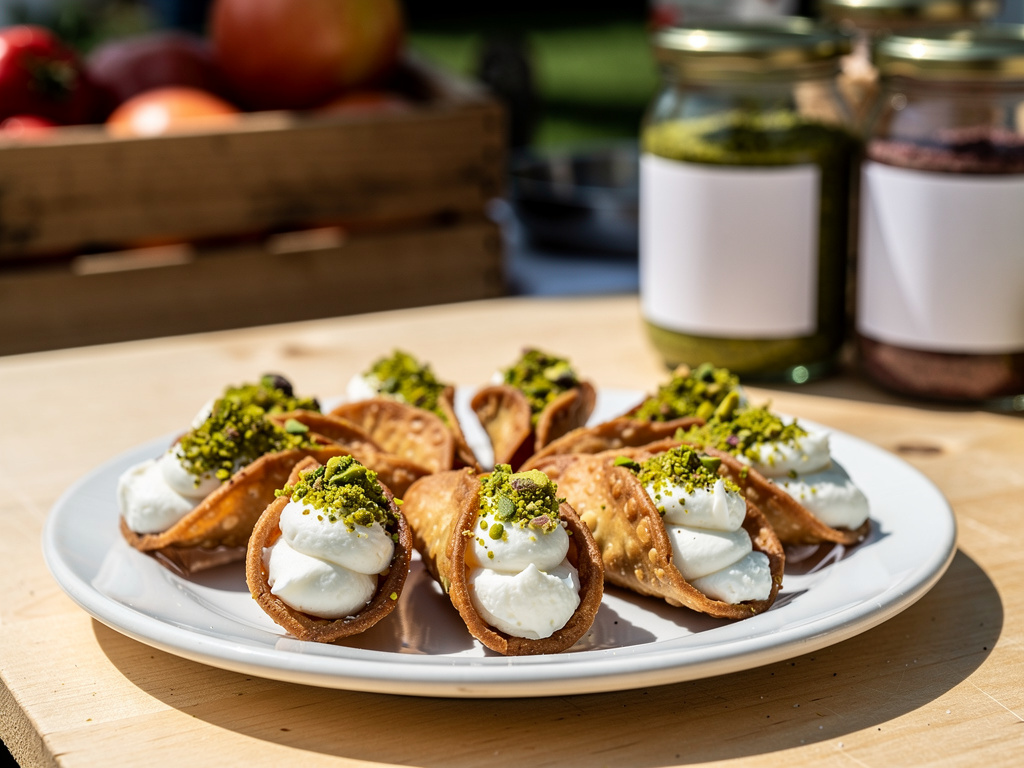


Cannoli are a showstopper, crisp fried shells filled with sweet, creamy ricotta, dusted with sugar and studded with chocolate or pistachio. They're beloved, premium, and a natural fit for anyone who loves Italian baking. But cannoli come with a catch that every home baker needs to understand before selling them: the shell and the filling live on opposite sides of the cottage food line. The shell is shelf-stable; the classic ricotta filling is perishable. That single fact shapes everything about how, and whether, you can legally sell cannoli from home. This guide explains the shell-versus-filling reality, the compliant ways to sell cannoli, how to handle freshness and assembly, and how to build a cannoli business the right way.
Important: The classic cannoli filling is made from ricotta and dairy, which are perishable and require refrigeration, making a filled cannoli a perishable TCS food that generally is NOT cottage-food-legal and would require a licensed kitchen. Cannoli shells, being fried and dry, are more likely to be shelf-stable and cottage-legal. This article is general information, not legal advice, verify your state's cottage food rules with your health department before selling.
The short version: Cannoli have two parts with opposite shelf-stability: the fried shell is dry and shelf-stable (more likely cottage-legal, where your state allows fried foods), while the classic ricotta filling is perishable and generally NOT cottage-legal, since it requires refrigeration. This means selling classic filled cannoli usually requires a licensed commercial kitchen. Cottage-legal options include selling shelf-stable shells (fill-your-own kits, where fried foods are permitted in your state), or operating from a licensed kitchen to sell filled cannoli. Because cannoli are also best filled fresh (filled too early, shells go soggy), the fill-fresh or fill-your-own approach solves both the legal and the quality problem. Verify your state's rules, then choose the compliant path that fits.
This guide covers the shell-versus-filling reality, the compliant ways to sell, freshness and assembly, and building a cannoli business.
The shell-versus-filling distinction matters because the two parts have opposite shelf-stability, the shell is dry and shelf-stable, while the ricotta filling is perishable, so they fall on opposite sides of cottage food law. This determines how you can legally sell cannoli.
The two halves of a cannoli:
Why this split is decisive:
Why fried foods add a wrinkle:
The reason cannoli are more complicated than they look is that they're really two products with opposite properties: a shelf-stable fried shell and a perishable ricotta filling. This split is decisive because it means a classic filled cannoli is a perishable TCS food that generally isn't cottage-food-legal (the filling requires refrigeration), while the unfilled shell, being dry and shelf-stable, is more likely to qualify, provided your state permits fried foods under cottage food law, which some restrict. So before selling cannoli, you must understand this distinction and verify two things with your health department: whether your state permits fried foods like shells, and the fact that filled cannoli generally require a licensed kitchen. Understanding your permits and rules is part of setting up properly, which the U.S. Small Business Administration's guidance on licenses and permits helps orient. The shell-versus-filling reality shapes every compliant selling option.
The compliant ways to sell cannoli are to sell shelf-stable shells (like fill-your-own kits, where fried foods are permitted), or to operate from a licensed kitchen to sell classic filled cannoli. The path depends on your setup and goals.
Compliant option 1, sell shelf-stable shells (cottage food):
Compliant option 2, licensed kitchen (filled cannoli):
Choosing your path:
The compliant ways to sell cannoli follow directly from the shell-filling split. If you want to operate under cottage food law from home, the path is the shelf-stable shell: sell unfilled shells, or, even better, fill-your-own kits (shells plus shelf-stable toppings and instructions), which deliver the cannoli experience while keeping you on the legal, shelf-stable side, provided your state permits fried foods. If you want to sell classic filled cannoli with the perishable ricotta filling, the legitimate path is a licensed commercial kitchen, a bigger step, but the right route if ready-to-eat filled cannoli are central to your vision. Either way, verify your specific rules with your health department, since fried-food allowances and cottage food rules vary by state. Choosing the compliant path that fits your setup and goals is the foundation of a legal cannoli business.
You handle cannoli freshness by filling them fresh, close to serving, because filled too early the shells go soggy, which is exactly why fill-fresh and fill-your-own approaches solve both the quality and the legal problem. Fresh filling is essential.
The freshness challenge:
How fill-fresh and fill-your-own solve it:
Assembly tips:
Cannoli freshness is a genuine challenge that, conveniently, aligns with the legal solution. Because the moist filling quickly softens the crisp shell, cannoli are best filled fresh right before serving, filling them hours ahead leaves soggy shells and a lost signature crunch. This is exactly why the fill-your-own and fill-fresh approaches work so well: selling shelf-stable shells for customers to fill fresh keeps the shell perfectly crisp and keeps you on the cottage-legal side, solving the quality and the legal problem at once. In a licensed setting, fill cannoli to order or very close to serving, keeping the filling cold until the last moment. General food-safety and labeling principles, like those in the U.S. Food and Drug Administration's food resources, are useful background for handling any product. The fill-fresh principle is the key to great cannoli, and it happens to be the compliant approach too.
You build a cannoli business by choosing your compliant model (shells/kits or licensed filled cannoli), marketing cannoli's premium appeal, and selling across fitting channels. Play to cannoli's premium, festive positioning.
Business models and channels:
Marketing cannoli's appeal:
Building a cannoli business starts with choosing your compliant model, a cottage fill-your-own kit business or a licensed filled-cannoli business, and then leaning into cannoli's premium, festive appeal. The fill-your-own kit route works well for markets, gifts, and (where shipping is permitted) online, since dry shells travel and the kits are novel and giftable. The licensed route unlocks fresh filled cannoli for events, catering, weddings, and premium orders. Either way, market cannoli as the premium, beloved, authentic Italian treat they are, emphasize freshness and craft, tell your story, and push seasonal and celebration demand. Because cannoli carry strong premium and festive appeal, they support good pricing and event/gift sales, so build around that positioning within whichever compliant model fits your setup and goals.
Whether you sell fill-your-own kits or licensed filled cannoli, you need a professional storefront to present them and take orders. Homegrown is $10 a month with no percentage fees beyond standard payment processing, and it gives you a storefront to sell your cannoli products and manage orders.
How it compares to the alternatives:
What Homegrown does well: a storefront to present your cannoli kits or filled cannoli, take orders with local pickup and delivery, and manage event requests, all at a low flat cost, with a fifteen-minute setup. Always make sure your offerings match your legal situation, shelf-stable shells/kits under cottage food law, or licensed-kitchen filled cannoli. When you're ready to sell cannoli, you can set up your storefront today.
The biggest mistakes are selling filled cannoli under cottage food law and filling them too early. Because the ricotta filling is perishable and best applied fresh, the errors that matter most involve legality and freshness.
Mistakes to avoid:
Getting these right means separating the shelf-stable shell from the perishable filling, verifying your state's rules, filling fresh, and using a licensed kitchen for filled cannoli.
It depends on which part and your state's rules. Classic filled cannoli generally are NOT cottage-legal, because the ricotta filling is perishable and requires refrigeration, making a filled cannoli a TCS food that typically needs a licensed kitchen. However, cannoli shells, being fried and dry, are shelf-stable and more likely to be cottage-legal, provided your state permits fried foods under cottage food law (some restrict them). So the compliant cottage approaches are selling shelf-stable shells or fill-your-own kits, while classic filled cannoli require a licensed commercial kitchen. Verify your state's cottage food and fried-food rules with your health department. This is general information, not legal advice.
Because the classic filling is perishable. Cannoli filling is made from ricotta and dairy, which require refrigeration for safety, so a filled cannoli is a perishable, TCS (time/temperature-control-for-safety) food. Cottage food law generally allows only shelf-stable, non-perishable foods safe at room temperature, so filled cannoli usually fall outside it. The shell itself is shelf-stable, but once you fill it with the perishable ricotta cream, the whole product becomes perishable. To sell classic filled cannoli legally, you generally need a licensed commercial kitchen. Alternatively, sell shelf-stable shells or fill-your-own kits under cottage food law (where fried foods are permitted). Verify your specific state's rules.
Fill-your-own cannoli kits are a cottage-legal way to sell the cannoli experience: you sell the shelf-stable components, the fried shells plus shelf-stable toppings (like chocolate chips or pistachios) and instructions, and the customer fills them with their own or store-bought filling right before eating. This keeps you on the shelf-stable, cottage-legal side (avoiding the perishable filling), while giving customers fresh, crisp cannoli, since filling fresh is exactly how cannoli are best anyway. Kits are also novel, fun, and giftable. They work well for markets, gifts, and, where shipping is permitted, online (dry shells travel well). Just verify your state permits fried foods like shells under cottage food law.
Cannoli get soggy because the moist ricotta filling quickly softens the crisp fried shell, filled hours ahead, a cannoli loses its signature crunch. The prevention is simple: fill cannoli fresh, right before serving, so the shell stays crisp against the creamy filling. This is why fresh filling is essential to great cannoli, and why fill-your-own kits (where customers fill just before eating) work so well, they guarantee a crisp shell. In a licensed setting, fill cannoli to order or very close to pickup/serving, keeping the filling cold until the last moment. The fill-fresh approach solves the sogginess problem, and conveniently, it's also the cottage-legal approach since it keeps the perishable filling separate from the shelf-stable shell.
Only if you want to sell classic filled cannoli. Because the ricotta filling is perishable and generally not cottage-legal, selling ready-to-eat filled cannoli typically requires a licensed commercial kitchen. But you don't need a commercial kitchen to sell cannoli in cottage-legal forms: shelf-stable shells or fill-your-own kits can be sold under cottage food law (where your state permits fried foods). So the answer depends on your model, fill-your-own kits and shells can be a home-based cottage business, while filled cannoli need a licensed kitchen. Decide which model fits your goals, and verify your state's specific rules with your health department before proceeding either way.
Choose your compliant model, then lean into cannoli's premium, festive appeal. A cottage fill-your-own kit business (selling shelf-stable shells with toppings and instructions) works for markets, gifts, and online where shipping is permitted, since dry shells travel well. A licensed filled-cannoli business unlocks fresh filled cannoli for events, catering, weddings, and premium orders. Market cannoli as the beloved, premium, authentic Italian treat they are, emphasize freshness and craft, tell your story, and push seasonal and celebration demand. Price for their premium positioning. Because cannoli carry strong festive and gourmet appeal, they support good pricing and event/gift sales, build around that within whichever compliant model fits your setup, and always verify your state's rules.
Cannoli are two products in one, a shelf-stable shell and a perishable ricotta filling, and that split shapes everything: classic filled cannoli generally need a licensed kitchen, while shells and fill-your-own kits can be cottage-legal where fried foods are permitted. Fill fresh for both quality and compliance, verify your state's rules, and market cannoli's premium appeal. And to sell your cannoli kits or filled cannoli and manage orders professionally, set up a Homegrown storefront built for local food vendors.



