


Packing is where orders go right or wrong. A great product packed carelessly, wrong items, damaged goods, missing pieces, a mislabeled package, turns a happy customer into a frustrated one. And a disorganized packing process wastes time and invites errors. A packing day SOP, a documented step-by-step procedure for fulfilling your orders, makes packing fast, accurate, and reliable, so every customer gets exactly what they ordered, in perfect condition, every time. It's one of the most underrated operational tools, because accuracy and presentation at the packing stage directly shape the customer's experience. This guide walks through a step-by-step packing day SOP template you can adapt, covering order verification, your packing setup, protecting your products, labeling, and organized handoff.
The short version: A packing day SOP is a documented, step-by-step procedure for fulfilling orders accurately and efficiently. A good one covers setting up an organized packing station, verifying each order against what the customer bought, packing products to protect them and present them well, labeling accurately (correct customer info and any required product labeling), and organizing packed orders for smooth pickup or delivery. Writing it down turns packing from an error-prone scramble into a reliable routine that gets every order right. Build your SOP around your actual products and fulfillment, follow it each packing day, and refine it over time. The template here gives you a starting structure to adapt.
This guide covers why a packing SOP matters, and walks through the template: setup, order verification, packing, and handoff.
A packing day SOP matters because accurate, careful packing directly shapes the customer's experience, and a documented process makes fulfillment reliable, error-free, and efficient. Packing is the last step before the customer, so it has to be right.
Why a packing SOP is valuable:
What a packing SOP prevents:
A packing day SOP matters because packing is the final step before your product reaches the customer, so getting it right is critical to their experience, and a documented process is what makes packing reliably accurate, protective, well-presented, and efficient. Order errors (wrong or missing items) erode trust and require costly fixes; damaged or poorly-presented products undercut your quality; and a chaotic process wastes time and invites mistakes. A good SOP prevents all of these by making fulfillment a repeatable routine that gets every order right, in perfect condition, presented well, every time. Because the packing stage so directly shapes how customers experience your product, systematizing it is one of the most valuable, and underrated, operational moves you can make. Building good systems is central to running your business well, which the U.S. Small Business Administration's guidance on managing your business supports.
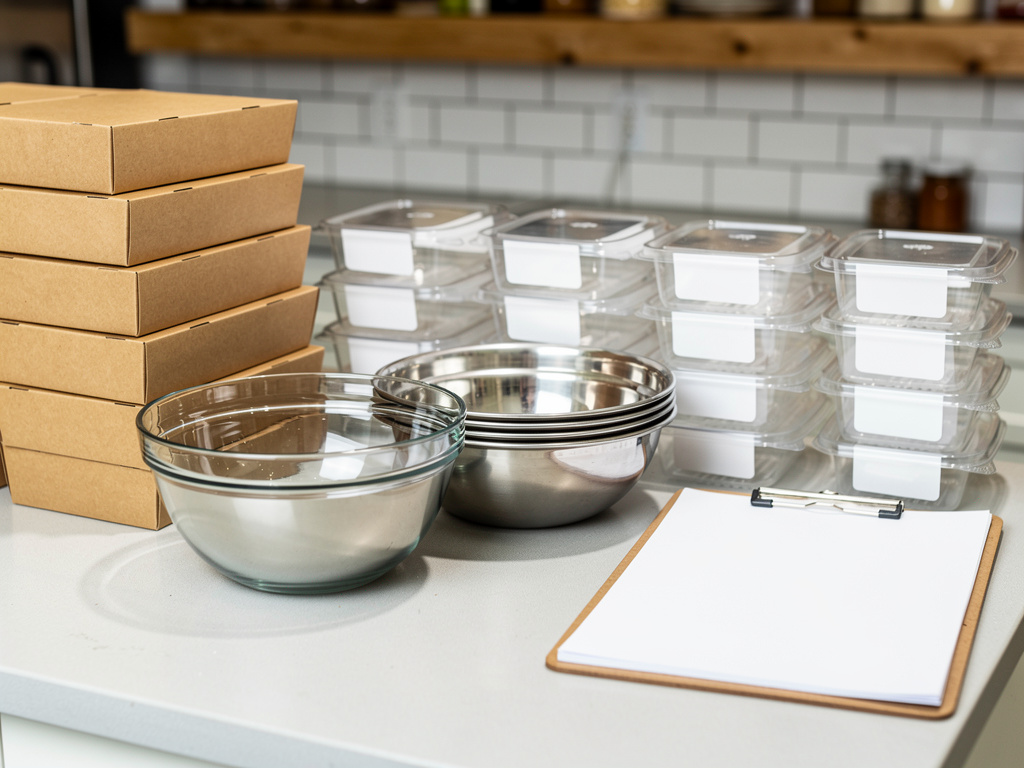
The first phase is setting up an organized packing station, gathering your products, packaging materials, and order information in a clean, efficient workspace, so packing flows smoothly. A good setup enables fast, accurate packing.
Packing station setup steps to document:
Why setup matters:
The packing station setup is the foundation of an efficient, accurate packing day. Before you pack anything, gather your orders (with each one's contents, customer, and fulfillment method clear), your finished products (organized and accessible), and all your packaging materials (boxes, bags, liners, protective materials, labels, tape, inserts). Set up a clean, dedicated workspace arranged for logical flow, products, packaging, and labeling within easy reach, so you can move through orders efficiently. Have your labeling ready, including customer information and any required product labeling. This organized setup is what lets packing flow as a steady, error-free routine rather than a scramble of hunting for materials and products. Document your specific station setup in your SOP so you begin every packing day organized and ready.
The second phase is order verification, checking each order against what the customer actually bought, so every order is complete and correct before it's packed. Verification is your defense against order errors.
Order verification steps to document:
Why verification matters:
Order verification is your primary defense against the wrong-item and missing-item errors that most frustrate customers, so it deserves a deliberate step in your SOP. For each order, pull the exact details of what the customer bought, gather the correct products and quantities, and then verify, check the gathered items against the order details, confirming everything is present, correct, and in the right quantity before you pack. Note any special instructions or customer requests, and confirm the fulfillment method and its details (pickup or delivery, time, address). Building in this deliberate double-check catches errors before they're sealed in a package and sent to a customer, when they're easy to fix rather than costly and reputation-damaging. Document this verification step clearly so every order gets checked the same careful way, every time.
The third phase is packing and labeling, packing each verified order to protect and present the products well, with accurate, compliant labeling. This phase determines the condition and presentation the customer receives.
Packing and labeling steps to document:
Why this phase matters:
The packing and labeling phase determines exactly what condition and impression the customer receives, so it's where care pays off. Pack each verified order to protect the products from damage (using appropriate protective materials and product-specific methods, fragile, shifting, or meltable items need special handling) and to present them attractively, since how an order looks when opened is a real part of the experience. Include any inserts that enhance it, like a thank-you note, care instructions, or your storefront link for reordering. Then label each package clearly with the correct customer and fulfillment information, and ensure products carry any required labeling (ingredients, allergens, required statements), verified against your state's rules, and confirm the label matches the order so the right package reaches the right customer. Documenting these packing and labeling methods ensures every order is protected, presented, and labeled consistently and correctly.
The final phase is organizing for handoff, sorting and staging your packed orders for smooth pickup or delivery, so fulfillment goes without a hitch. Organized handoff completes accurate packing with accurate delivery.
Handoff organization steps to document:
Why organized handoff matters:
The handoff phase ensures your carefully packed orders actually reach the right customers in good condition and efficiently, completing accurate packing with accurate delivery. Sort your packed orders by fulfillment method (pickup vs delivery), organize deliveries by logical route for efficiency, and arrange pickups for easy retrieval (by name or pickup time) so you can quickly hand off each one. Stage all orders in appropriate conditions (cool, safe, undamaged) until handoff, especially if there's a wait, and do a final check that every order is packed, labeled, and staged correctly. Have what you need to confirm the right order goes to the right customer at handoff. This organized staging prevents the wrong-order-to-wrong-person mistake that undoes all your careful packing, and makes fulfillment smooth and efficient. Documenting these handoff steps, and logging each packing day to refine your SOP, keeps your fulfillment improving, which supports growing your business per the U.S. Small Business Administration's guidance on growing your business.
A packing day starts from your orders, so a storefront that organizes orders and fulfillment details makes packing day smoother. Homegrown is $10 a month with no percentage fees beyond standard payment processing, giving you a storefront, built for local food vendors, that organizes the orders and fulfillment details your packing days run on.
How it compares to the alternatives:
What Homegrown does well: a storefront that organizes your orders with clear details and fulfillment methods (pickup, delivery) built for local food vendors, clean payment handling, and a fifteen-minute setup. Clear, organized order information is the foundation of accurate packing, verify each order against the real details from your storefront. When you're ready to run your packing days on organized orders, you can set up your storefront today.
The biggest mistakes are skipping order verification and packing products carelessly. Because accuracy and protection define good fulfillment, the errors that matter most involve verification and packing care.
Mistakes to avoid:
Getting these right means verifying every order, packing to protect and present, labeling accurately, organizing handoff, and documenting and refining your SOP over time.
A packing day SOP (standard operating procedure) is a documented, step-by-step procedure for fulfilling your orders accurately and efficiently. It covers setting up an organized packing station, verifying each order against what the customer bought, packing products to protect and present them well, labeling accurately (correct customer info and any required product labeling), and organizing packed orders for smooth pickup or delivery. Writing it down turns packing from an error-prone scramble into a reliable routine that gets every order right, in perfect condition, every time. You build it around your actual products and fulfillment, follow it each packing day, and refine it over time as you learn what works.
Because order errors, wrong items, missing items, incorrect quantities, are among the most common and frustrating fulfillment mistakes, and they erode customer trust and require costly fixes. A deliberate verification step, checking the items you've gathered against exactly what the customer bought before you pack, catches these errors while they're still easy to fix, rather than after they're sealed in a package and sent. Verification also ensures nothing is forgotten and catches special customer instructions. Building this deliberate double-check into your packing SOP is your primary defense against order errors, and it's one of the highest-value steps for keeping customers happy and your reputation solid.
Pack to protect using appropriate protective materials (liners, padding, secure packaging) and product-specific methods, since different products need different handling. Fragile items need cushioning and secure placement; items that can shift need to be kept in place; items that can melt or spoil need appropriate conditions. Document the right packing method for each product type in your SOP so it's done consistently. The goal is that every product arrives in the same perfect condition it left in, undamaged and intact. Careful, consistent, product-appropriate packing is what protects your quality through transit or pickup, so customers experience your product exactly as you intended.
Two kinds of labeling: first, clear customer and fulfillment information (the correct customer name and any delivery or pickup details) so the right package reaches the right person; and second, any required product labeling (ingredients, allergens, required statements) that your state's cottage food or food laws mandate. Verify the required product labeling against your state's specific requirements, since these vary. Also confirm that the label matches the order, so you don't send the wrong package to a customer. Accurate labeling on both fronts prevents mix-ups (wrong order to wrong person) and ensures compliance, both essential to reliable, professional fulfillment.
Sort your packed orders by fulfillment method first (separating pickups from deliveries, since they're handled differently). Organize deliveries by logical route (grouping and sequencing by area) so delivery is efficient, and arrange pickups for easy retrieval (by customer name or pickup time) so you can quickly find and hand off each one. Stage all orders in appropriate conditions (cool, safe, undamaged) until handoff, especially if there's a wait, and do a final check that everything is packed, labeled, and staged correctly. Have a way to confirm the right order goes to the right customer at handoff. This organized staging prevents mix-ups and makes fulfillment smooth.
Log each packing day briefly, noting any errors, bottlenecks, or issues (a mislabeled order, a slow step, a packing method that didn't protect well), and use those notes to refine your SOP. Over time you'll spot patterns and improvements: a better station layout, a clearer verification step, a packing tweak that prevents damage, a smarter handoff organization. Incorporate these into your documented process so each packing day gets more accurate and efficient. Your SOP should be a living document you continually improve, not something written once and forgotten. This cycle of following, observing, and refining is how your fulfillment steadily becomes faster, more accurate, and more reliable.
A packing day SOP turns fulfillment from an error-prone scramble into a reliable routine that gets every order right, set up an organized station, verify each order, pack to protect and present, label accurately, and organize for smooth handoff. Document it, follow it, and refine it over time. And to run your packing days on clear, organized orders, set up a Homegrown storefront built for local food vendors.



