
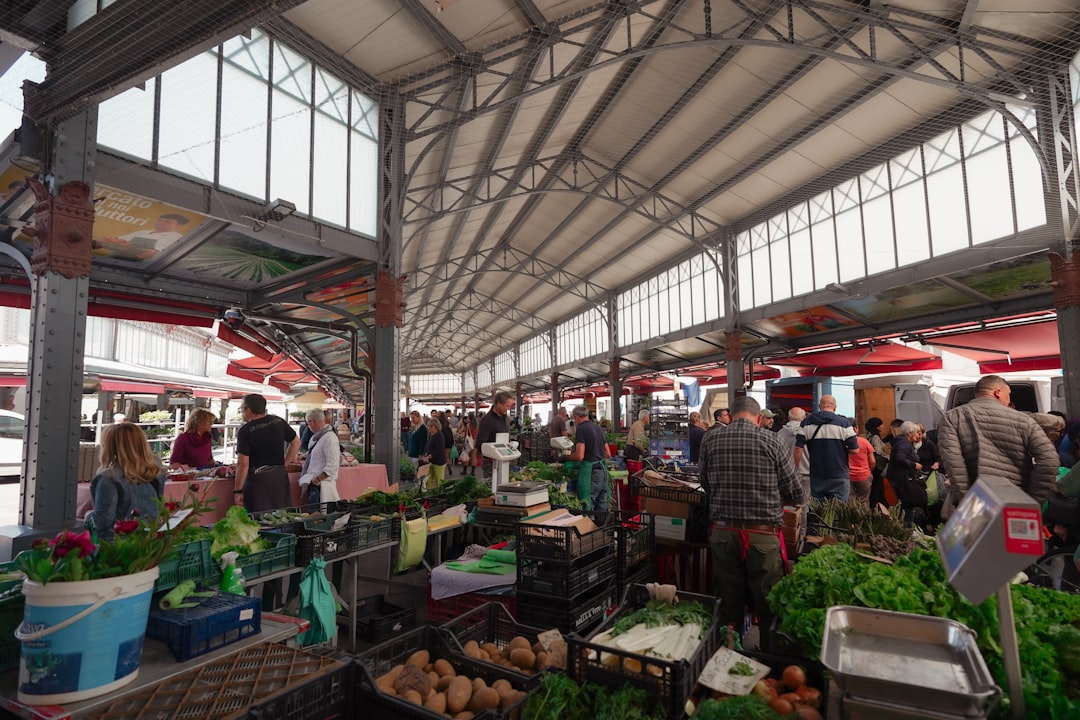


"Is this actually worth it?" That's the question every farmers market vendor asks after their first month. You've been waking up at 5 a.m. on Saturdays, spending your weekday evenings baking, and standing outside for hours — and you're not sure the money adds up when you factor in everything.
The honest answer: it depends. Some vendors make excellent money at farmers markets. Others lose money without realizing it because they don't track all their costs. The difference isn't luck — it's math. And the math is actually pretty simple once you lay it out.
Let's run the real numbers on what it actually costs and what you actually earn selling at a farmers market — with no sugarcoating.
The short version: Most part-time cottage food vendors earn $200-$600 per market day in gross sales. After subtracting all costs (ingredients, booth fee, gas, packaging, insurance), net profit is typically $75-$350 per market day. At one market per week, that's $300-$1,400 per month in profit. Processed products like cookies, jam, and granola have 40-60% profit margins — significantly higher than raw produce at 20-30%. The vendors who aren't profitable are usually underpricing their products, attending the wrong markets, or not tracking their true costs. Adding online pre-orders typically increases per-market revenue by 20-40% with no additional booth time.
Let's walk through a realistic market day for a cookie vendor — one of the most common cottage food products. This isn't a best-case or worst-case scenario. It's a normal Saturday at a mid-size suburban farmers market.
| Product | Qty Sold | Price | Revenue |
|---|---|---|---|
| Chocolate chip cookies (individual) | 45 | $3.00 | $135 |
| Snickerdoodles (individual) | 30 | $3.00 | $90 |
| Cookie box (6-pack assorted) | 12 | $15.00 | $180 |
| Brownies (individual) | 20 | $4.00 | $80 |
| Total revenue | $485 |
| Expense | Amount |
|---|---|
| Ingredients (all products) | $120 |
| Packaging (bags, boxes, labels) | $25 |
| Booth fee | $50 |
| Gas (round trip) | $12 |
| Insurance (prorated per market) | $10 |
| Credit card processing (2.6%) | $10 |
| Miscellaneous (ice, supplies) | $5 |
| Total costs | $232 |
Net profit: $485 - $232 = $253
That's $253 in your pocket after a single market day. Over 4 Saturdays per month, that's roughly $1,012 in monthly profit from one market per week. Not bad for a side business.
But here's the catch: this example assumes you sell most of what you bring. If you bring 120 cookies and only sell 75, the leftover cookies still cost you ingredients and packaging. Waste is the silent profit killer at farmers markets — and it's the reason online pre-orders make such a big financial difference. Over a full month the gap gets wider: our one-month cookie income report across three farmers markets found that each pre-ordered dozen kept about $17.72 with nothing wasted, while one in five cookies baked for walk-up sales went home.
Not all products are equally profitable. According to Specialty Food Association's vendor profit analysis, processed goods like jams and specialty products often sell for two to three times more than raw ingredients, with 40-60% profit margins.
Here's how common cottage food products compare:
| Product | Typical Price | Ingredient Cost | Gross Margin |
|---|---|---|---|
| Cookies | $3.00 each | $0.75-$1.00 | 65-75% |
| Bread/sourdough | $7-$9/loaf | $1.50-$2.50 | 65-80% |
| Jam/preserves | $8-$12/jar | $2.00-$3.00 | 70-75% |
| Granola | $8-$10/bag | $2.00-$3.00 | 65-75% |
| Hot sauce | $8-$12/bottle | $1.50-$2.50 | 75-80% |
| Honey | $10-$15/jar | $3.00-$5.00 | 60-70% |
| Dog treats | $6-$10/bag | $1.50-$2.50 | 65-75% |
| Fresh produce (vegetables) | $3-$5/lb | $1.50-$3.00 | 20-40% |
The pattern is clear: value-added processed products have dramatically higher margins than raw produce. A $3 cookie with $0.85 in ingredients is a 72% gross margin. A $3 bunch of kale with $1.80 in growing costs is a 40% margin. This is why cottage food vendors — bakers, jam makers, spice blenders — tend to be more profitable per market day than produce farmers at the same market.
This is the number that makes some vendors rethink their approach — and motivates others to optimize. Your real hourly rate includes all the time you spend, not just time at the market.
For our cookie vendor example:
Hourly rate: $253 ÷ 15 hours = $16.87/hour
That's decent for a side hustle — better than many part-time jobs — but it's not amazing. Here's the thing, though: that hourly rate improves dramatically as you optimize. The vendors earning $20-$35/hour at markets have done three things:
Let's be honest about when the math doesn't work. These are the common traps that make markets unprofitable:
Pre-orders are the single biggest lever for improving farmers market profitability. Based on data from Permies' real vendor sales discussions, vendors who know their numbers before market day consistently outperform those who guess — and pre-orders give you those numbers.
Here's our cookie vendor's math with pre-orders added:
| Metric | Without Pre-Orders | With Pre-Orders |
|---|---|---|
| Gross revenue | $485 | $605 (+$120 from pre-orders) |
| Ingredient cost | $120 | $140 (more product, but zero waste) |
| Waste | $15-$25 (unsold product) | $0-$5 (pre-ordered items = zero waste) |
| All other costs | $112 | $112 (same — no extra booth fee) |
| Net profit | $253 | $348-$353 |
| Hourly rate (15 hrs) | $16.87 | $23.20-$23.53 |
Pre-orders increased profit by 37-39% with no additional market time. The extra revenue comes from customers who think about your products during the week but would forget by Saturday. An online pre-order page captures that midweek demand. You can set up a pre-order page in under an hour and start seeing results by your next market.
Here's a realistic annual picture for a part-time vendor doing one market per week, 40 weeks per year (most markets run April through November with some year-round):
| Vendor Stage | Avg Revenue/Week | Avg Profit/Week | Annual Profit (40 weeks) |
|---|---|---|---|
| Year 1 beginner | $250 | $100 | $4,000 |
| Year 1 with pre-orders | $350 | $175 | $7,000 |
| Year 2 established | $500 | $275 | $11,000 |
| Year 2+ optimized | $700 | $400 | $16,000 |
These aren't life-changing numbers — but they're real, achievable numbers for a side business with 10-15 hours per week of work. $4,000-$16,000 per year is a vacation fund, a car payment, a chunk of student loans, or savings that compounds. And it all starts with $100 in ingredients and a $50 booth fee.
The jump from Year 1 to Year 2 happens because of three things that improve naturally with experience: you get faster at production (reducing your time cost per unit), your regulars bring friends (growing revenue without marketing spend), and you learn which products have the best margin-to-demand ratio (improving your product mix). The vendors who add online pre-orders in Year 1 compress this learning curve because they're tracking order data from the start — they know exactly what sells and can adjust faster.
The jump from established to optimized happens when you raise prices, tighten your product lineup to only your highest-margin items, and consistently fill 20-40% of your market day revenue through pre-orders before you even show up. These changes don't require more hours or more products — just better decisions based on actual data.
Most farmers markets have a seasonal curve that affects your profitability throughout the year. Understanding this pattern helps you plan production, manage cash flow, and avoid discouragement during slower months.
This is when you make the bulk of your annual market income. Customer traffic is highest, spending is highest, and weather is cooperating. If you're going to attend extra markets or try higher-end locations, peak season is the time.
Markets are open but traffic is lighter. Some vendors scale back production, which is smart — but don't stop attending. Your regulars are still shopping, and the vendors who show up consistently during shoulder season build the strongest customer loyalty.
Most outdoor markets close for winter. Indoor winter markets exist in some areas, but traffic is typically 40-60% lower than summer markets. This is when having an online pre-order channel becomes essential — you can keep selling to your regulars year-round even when the market isn't running.
Vendors who only sell at markets earn $0 during the off-season. Vendors with online pre-orders keep earning through winter — holiday cookie boxes, Thanksgiving pies, and gift sets can be your highest-revenue weeks of the entire year. That 4-5 month gap is the strongest financial argument for adding an online channel to your market business.
Once your pricing is dialed in, make ordering and payment effortless. The easiest way to take local orders and get paid is an online storefront — see the best platform to sell food from home, or set up a Homegrown storefront in about 15 minutes ($10/mo, 0% commission).
It's very difficult to make a full living from one market per week. You'd need $800-$1,200 per market day at 50+ weeks per year, which is possible but rare for cottage food vendors. Most vendors who go full-time do 3-5 markets per week, add wholesale accounts, and sell online. Markets should be your foundation, not your only revenue stream.
Most vendors break even by their second or third market day and turn consistent weekly profits within 1-2 months. The first 2-3 weeks involve higher startup costs (buying initial supplies, signage, packaging) that spread out over time. If you're not profitable after 6 weeks at a market, recheck your pricing and costs — one of them is off.
Often, yes. A $75 booth at a high-traffic market where you sell $600 is more profitable than a $25 booth at a low-traffic market where you sell $150. The booth fee is just one cost — what matters is your net profit. Don't choose markets based on booth fee alone. Choose based on expected revenue minus total costs.
Both. Tracking money tells you if the business is profitable. Tracking time tells you if it's worth your time. A market that nets $50 profit on 12 hours of total work is $4.17/hour — that's not worth it unless you enjoy it purely as a hobby. Knowing your hourly rate helps you decide which markets to keep and which to drop.
Raise your prices by 15-20%. Most cottage food vendors underprice, and a price increase goes directly to your bottom line with zero additional work or cost. If you're worried about losing customers, test the increase for two weeks. Most vendors find that sales volume barely changes — customers are buying quality, not hunting for the cheapest option.
Generally yes, because weekend markets have higher foot traffic. Saturday morning markets consistently outperform Tuesday evening markets in total sales. However, weekday markets often have lower booth fees and less competition, so your profit margin percentage might be similar even if your total revenue is lower. Test both and compare your net profit per hour.
No — they add to them. Pre-order customers still come to the market and frequently buy additional items when they pick up. Your total revenue increases because you're capturing demand from 7 days of the week instead of just Saturday morning. Most vendors who add online pre-orders see a 20-40% increase in total weekly revenue with no decrease in walk-up market sales.
Selling at farmers markets is profitable for most cottage food vendors — if you track your real costs, price your products appropriately, and minimize waste. The vendors who say "it's not worth it" are usually underpricing, overproducing, or attending the wrong markets. The math tells you which problem to fix.
Run your own numbers this week. Track every cost for one market day. Calculate your true profit and your hourly rate. If the numbers are good, keep optimizing. If they're not, you now know exactly what to change — price, volume, market, or waste.
The single fastest way to improve your market profitability is adding pre-orders. More revenue, less waste, same hours.
Set up your Homegrown pre-order page and start increasing your per-market profit — most vendors see results within their first week.



