
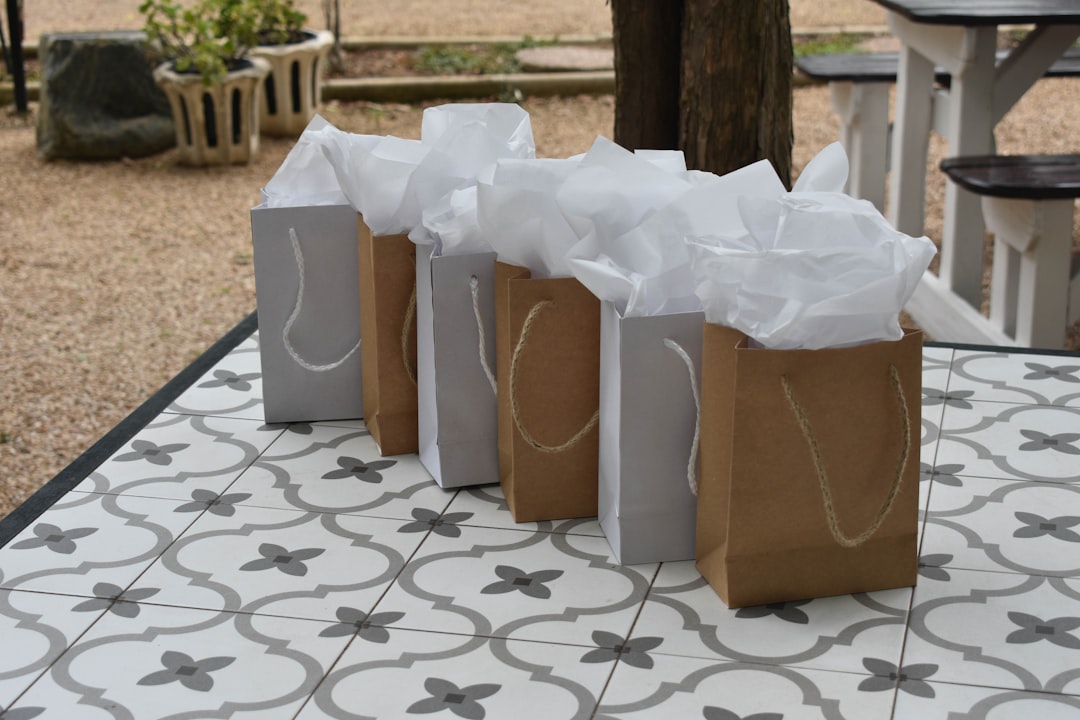


Route selling means building a regular delivery path through your neighborhood or town, visiting the same customers on the same day each week, and dropping off food they pre-ordered. It is one of the most underused sales channels for small food vendors, and it can be one of the most profitable per hour because you eliminate booth fees, cut your setup time to zero, and sell to customers who already committed to buying before you left your kitchen.
The short version: Door-to-door route selling works by building a weekly delivery route through a specific area. Start by offering delivery to your existing customers within a 10 to 15 minute drive, then expand through word of mouth in those neighborhoods. Most route vendors deliver on one day per week, require pre-orders with prepayment, and serve 15 to 30 stops per route day. The key is starting small with 5 to 10 customers in a tight geographic area and growing the route organically. You do not need a delivery van or a commercial kitchen — just a car, a cooler, and customers who want your products every week.
Route selling is a recurring delivery model where you visit the same customers on a regular schedule, typically weekly. It is different from on-demand delivery (like DoorDash or delivering individual one-off orders) because the route is planned in advance, orders are collected before you leave, and every stop on your route is a confirmed sale with payment already collected.
Here is how route selling compares to other sales channels:
| Channel | Booth Fee | Setup Time | Payment | Customer Commitment |
|---|---|---|---|---|
| Farmers market | $20-$75/week | 1-2 hours | At point of sale | None (walk-up) |
| Porch pickup | $0 | 30 min | Pre-order | Medium (ordered ahead) |
| Route selling | $0 | 0 min at stop | Pre-order + prepay | High (weekly recurring) |
| Online + shipping | $0 | Varies | Pre-order + prepay | One-time |
The biggest advantage of route selling is that every stop is a guaranteed sale. At a farmers market, you never know if a customer will show up. On a delivery route, you already have their order and their payment before you start driving. Food delivery to homes has deep historical roots — the Boston Hospitality Review traces the practice back to some of the earliest food businesses in America, long before restaurants became the norm.
Start with customers you already have. If you sell at a farmers market or take online orders, you already have people who buy from you regularly. Some of them would pay a small delivery fee to have your products show up at their door instead of picking them up.
Here is a step-by-step process to start your first route:
Charge a flat delivery fee on top of your regular product prices. Most route vendors charge $3 to $7 per delivery or set a minimum order amount that covers the delivery cost. Here is how to think about pricing:
Option 1: Flat delivery fee
Option 2: Minimum order amount
Option 3: Free delivery over a threshold
The math on route selling: If you have 15 stops, a $30 average order, and charge $5 delivery per stop:
| Revenue Source | Amount |
|---|---|
| Product sales (15 x $30) | $450 |
| Delivery fees (15 x $5) | $75 |
| Total route revenue | $525 |
| Gas and vehicle costs (~30 miles) | -$20 |
| Net route income | $505 |
Compare that to a farmers market where you pay $50 for a booth, spend 2 hours setting up and breaking down, and hope enough people walk by. A tight delivery route earns comparable revenue in less total time.
Building a route takes 4 to 8 weeks if you are starting from an existing customer base, or 2 to 3 months if you are starting from zero. Here is the path:
Pick one neighborhood within 10 minutes of your kitchen. This is your core zone. Every customer on your route should be in or near this area until the route is full.
Ways to get your first route customers:
As orders come in, cluster them geographically. If someone two towns over wants delivery, politely decline or offer pickup instead. The profitability of your route depends on keeping stops close together.
Target density: at least 2 to 3 stops per neighborhood or street. A single customer 15 minutes out of your way is not worth the drive. Three customers on the same block are worth the drive every time.
Once you have 15 to 20 consistent weekly stops, you have a full route. From here you can:
Products that keep well during a 2 to 3 hour delivery window and do not require strict temperature control are the easiest to route sell. Products that people buy repeatedly on a weekly or biweekly cycle work even better because they create recurring route stops.
Best products for route selling:
Products that are harder to route sell:
Following basic food safety practices matters — even if you are delivering cottage food products. The South Dakota State University Extension's food safety guidelines for local food vendors cover temperature control, transport, and handling practices that apply to route delivery just as much as they apply to selling at a market booth.
The biggest operational challenge with route selling is managing orders, payments, and your delivery list. You need a system that collects orders by a cutoff, processes payment before delivery day, and gives you a clear list of who gets what.
Here are the options:
Set up an online ordering page where customers browse your products, place an order, and pay all in one step. You set the ordering window (e.g., Monday through Wednesday), and on Thursday morning you have a clean order list with everyone's payment already collected.
Homegrown costs $10/month with no percentage fees and handles exactly this workflow. Customers order and pay through one link. You see every order in your dashboard, know exactly what to make, and have a ready-made delivery list sorted by stop. No chasing payments. No "Did you Venmo me?" texts. The text-and-Venmo method described above breaks down past 10 customers because you are managing two separate systems — a conversation thread for orders and a payment app for money — and neither one talks to the other. Square Online handles checkout but charges 2.9% plus 30 cents per transaction, which on a 20-stop route with $30 average orders costs you $20+ per week in fees alone. Homegrown does not knock on doors or build your door-to-door sales territory for you — this article covers those. What it does is turn the messiest part of route selling (collecting orders and payments) into a single link that produces a clean delivery list every week.
On delivery day, print or screenshot your order list and check off each stop as you deliver. Here is a simple delivery day workflow:
Route selling has one massive advantage over farmers markets: your customers are on a recurring schedule. Once someone orders three or four weeks in a row, it becomes a habit. Here is how to keep them on the route:
The vendors who build the strongest routes are the ones who treat it like a subscription service. Your customers expect you every Friday. They plan their week around having your bread or your cookies show up. That consistency is what makes route selling so sticky once you get it running.
Legal requirements for route selling depend on your state, what you sell, and how you sell it.
Cottage food vendors: If you operate under cottage food laws, most states allow direct-to-consumer sales which includes delivery to the customer's home. However, some states restrict cottage food sales to specific venues (farmers markets, your own home, etc.) and may not explicitly allow route delivery. Check your state's cottage food laws to confirm delivery is allowed.
General requirements to check:
Most cottage food products (baked goods, jams, honey, granola) are low-risk for delivery because they are shelf-stable and do not require refrigeration during a 2 to 3 hour route. If you are selling perishable items, invest in a quality cooler and ice packs, and keep your route short enough that temperature stays in the safe zone.
Once your first route is full (15 to 25 consistent stops), you have two options for growth:
Option 1: Add a second delivery day in a new area
Option 2: Extend your existing route with a helper
Revenue scaling example:
| Stage | Stops/Week | Avg Order | Weekly Revenue | Monthly Revenue |
|---|---|---|---|---|
| Starting | 8 | $25 | $200 | $800 |
| Full route | 20 | $30 | $600 | $2,400 |
| Two routes | 35 | $30 | $1,050 | $4,200 |
| Two routes + helper | 50 | $30 | $1,500 | $6,000 |
Most part-time vendors can comfortably manage one route of 15 to 20 stops alongside a weekly farmers market. That combination — market day plus route day — covers six days of selling with products made in two to three production days per week.
If you are ready to start your route, the first step is giving your customers a way to pre-order and pay before delivery day. Once you have that system running, share the link with your neighborhood and start collecting orders for your first route day. Every order comes in prepaid, so all you have to do is make the products, pack the bags, and drive.
Ready to turn this into a real business? The easiest way to take local orders and get paid is an online storefront — see the best platform to sell food from home, or set up a Homegrown storefront in about 15 minutes ($10/mo, 0% commission).
You can start a route with as few as 5 customers if they are geographically close together. Five stops within a 10-minute radius is a manageable first route that takes about an hour to deliver. Most vendors find that 15 to 20 consistent weekly stops is the sweet spot for a single route — enough revenue to make it worthwhile, but not so many that delivery takes all day.
No. Most food vendors use their personal car with a cooler and insulated bags. You do not need a delivery van, refrigerated truck, or commercial vehicle for cottage food products. If you are delivering perishable items like eggs or prepared foods, invest in a quality cooler with ice packs. Keep your route short enough that everything stays at a safe temperature during the entire delivery window.
A vendor with 15 to 20 weekly stops and a $30 average order generates $450 to $600 per route day, or $1,800 to $2,400 per month from a single weekly route. After subtracting gas and vehicle costs (typically $15 to $25 per route), net income per route day runs $425 to $575. This is comparable to a good farmers market day but with no booth fee, no setup time, and guaranteed sales.
In most states, yes. Cottage food laws in the majority of states allow direct-to-consumer sales, which includes delivery to the customer's home. However, some states restrict where cottage food can be sold. Check your specific state's cottage food laws to confirm that home delivery is an approved sales venue. Shelf-stable cottage food products like baked goods, jams, and honey are the lowest-risk items for route delivery.
Start with your existing customers — people who already buy from you at a farmers market or through online orders. Ask if they would like home delivery. Then post in neighborhood Facebook groups, leave flyers near your existing delivery stops, and ask for referrals. The best route customers come from word of mouth in neighborhoods where you already deliver, because neighbors see your deliveries and ask how to sign up.
Friday and Saturday mornings are the most popular delivery days for food route vendors. Customers like receiving fresh baked goods and produce heading into the weekend. Some vendors deliver on Thursday for customers who want products for weekend entertaining. The best day is whatever day works with your production schedule — if you bake on Wednesday and Thursday, Friday delivery makes sense.
Use a porch drop-off system. Leave the order at the front door, take a photo, and text it to the customer with a confirmation. Most route vendors require customers to have a covered porch or a designated drop-off spot. For perishable items, use an insulated bag that keeps products at the right temperature for an hour or two until the customer brings them inside.
Set up your Homegrown storefront and have your route ordering page ready in about 15 minutes. Share one link with your neighborhood, collect pre-orders and payment automatically, and show up on delivery day with a clear list of exactly what goes where.



