
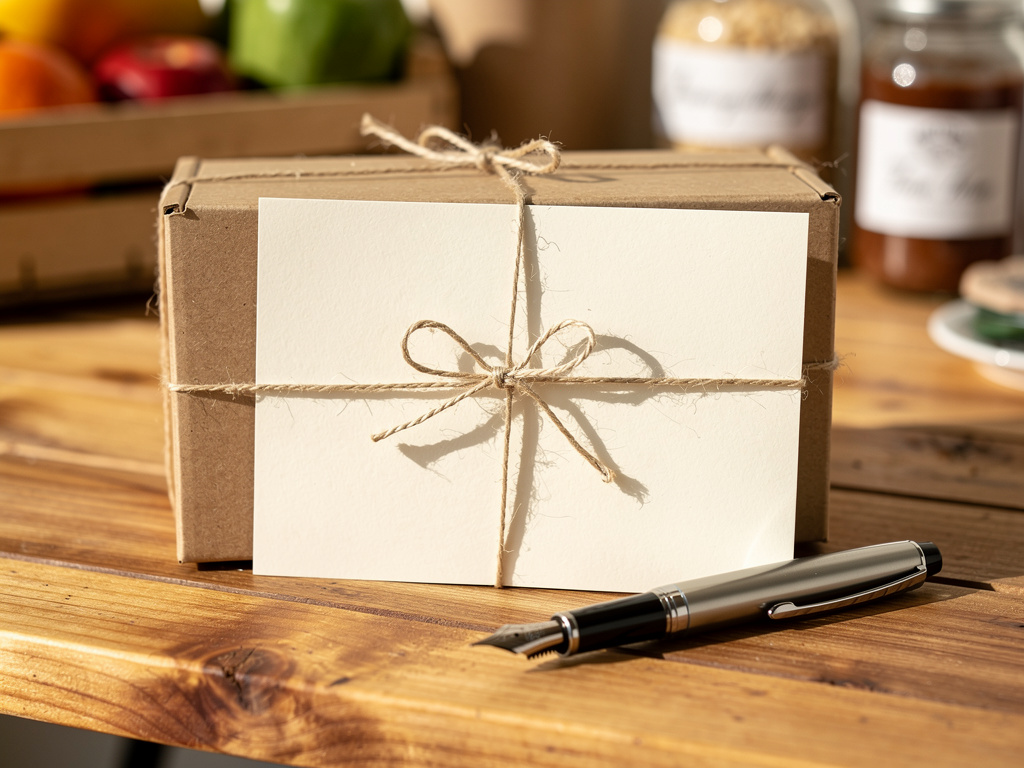


A handwritten thank-you note tucked into an order is one of the cheapest, most powerful things a small food vendor can do, and almost nobody does it. In a world of automated receipt emails, a real note in real handwriting stands out and sticks in a customer's memory. The catch is that a generic, phoned-in note does almost nothing, while a specific, sincere one earns loyalty. This guide walks through writing a handwritten thank-you note that actually gets read, why they work, what to say, and how to do it without eating your whole day.
The short version: Handwritten thank-you notes work far better than most vendors expect, because people consistently underestimate how much a genuine note means to the person who gets it. The notes that land share three traits: they're specific (they name something real about the customer's order), short, and free of any sales pitch. Write to a first name, thank them for something concrete, add one human line, and warmly invite them back, without turning it into a coupon. To keep it sustainable, pre-print a small branded card and handwrite one or two personal lines, then batch them. Homegrown gives you the clean order records that make writing a specific note easy, and a storefront customers can return to, though the note itself is yours to write.
This guide covers whether notes work, what gets read, what to say, doing it at volume, what to avoid, and scaling. This is general information.
Yes, and they work considerably better than most people expect, because research shows we systematically underestimate how much a genuine thank-you note means to the person receiving it. The gap between what you assume ("this is awkward, it won't matter much") and reality ("that made my day") is exactly why notes are so underused and so effective.
What the research and experience show:
The takeaway: thank-you notes are a rare case where the payoff is bigger than the effort, and most vendors skip them only because they wrongly assume they don't matter. The rule is to send the note even when it feels like a small thing, because to the customer it isn't, and it builds the kind of loyalty behind any repeat-customer strategy.
A thank-you note gets read and remembered when it's specific, short, and free of a sales pitch, and it gets ignored when it's generic, long, or secretly an ad. The difference between a note that builds loyalty and one that lands in the recycling is almost entirely about sincerity signals.
The traits of a note that lands:
The takeaway: specificity and sincerity are what get a note read, and a hidden sales pitch is what gets it dismissed. The rule is to write one true, specific, legible sentence to a real person, which beats a polished paragraph of generic warmth every time.
A thank-you note should greet the customer by name, thank them for something specific, add one genuine personal line, warmly invite them back without a hard sell, and sign off with your first name. This simple structure keeps the note personal and sincere while staying short enough to write at volume.
A reliable five-part structure:
Here's how weak and strong lines compare:
| Weak (generic) | Strong (specific) |
|---|---|
| "Dear valued customer" | "Hi Sarah," |
| "Thank you for your order" | "Thank you for ordering the lemon bars for your book club" |
| "Use code SAVE10 next time" | "Hope to see you again soon" |
| "Sincerely, The Team" | "Maria, from Maria's Kitchen" |
The takeaway: a great note follows a simple, repeatable shape but fills it with details specific to that customer. The rule is to keep the structure fixed and the details personal, which lets you write sincere notes quickly, reinforcing your brand's personal story.
You keep thank-you notes sustainable by pre-printing a branded card and handwriting only one or two personal lines, and by batching the writing rather than doing it order by order. The goal is to keep the genuinely handwritten, personal part while removing the repetitive work.
Practical tactics for a busy vendor:
The takeaway: the trick is separating the repeatable printed part from the personal handwritten part, so notes stay sincere without becoming a time sink. The rule is to make the note small enough that you'll actually do it every time, because a consistent one-line note beats an occasional masterpiece.
You should never make a thank-you note generic, salesy, illegible, or overly long, because each of those kills the sincerity that makes the note work in the first place. Avoiding this short list matters more than any clever wording.
The mistakes that ruin a note:
The takeaway: the failures all come from breaking sincerity, through genericness, a sales angle, or trying too hard. The rule is that a thank-you note's only job is to be genuinely, specifically grateful, so protect that and cut anything that undercuts it, especially a pitch.
When your order volume is too high to fully handwrite every note, use a printed card with even one genuinely personal handwritten touch, a name and a specific detail, which still beats a fully printed note or none at all. The specificity, not the total amount of handwriting, is what does the work.
How to scale without losing the effect:
The takeaway: you don't have to fully handwrite every note to get the benefit, since one specific personal line on a printed card captures most of the effect. The rule is to protect the specific, personal detail above all, because that's the part customers actually respond to, and it fits neatly alongside a broader loyalty program.
Writing a specific, personal thank-you note is much easier when you can quickly see who ordered what, and that's exactly what a clean order history gives you. Homegrown is a $10-per-month online storefront, with no percentage fees beyond standard payment processing, that keeps tidy records of every customer and order, so the detail you need for a specific note is right there.
When you can glance at an order and see the customer's name and exactly what they bought, writing "Thank you for ordering the sourdough, Sarah" takes seconds instead of guesswork. That same storefront is also where a warmly-invited customer comes back to reorder, so your note's gentle "hope to see you again" has a clear, easy place to lead, no discount code required. The note builds the relationship; the storefront makes acting on it effortless.
To be clear about what Homegrown does not do: it does not write your notes, print your cards, or automate a fake "personal" message. A thank-you note only works because it's genuinely from you, and that sincerity can't be outsourced. What Homegrown gives you is the clean order information that makes a specific note fast to write, and the storefront customers return to when your note brings them back. If you want repeat customers who feel seen, set up your Homegrown storefront and pair it with a real handwritten note.
Yes, and more than most people expect. Research from the University of Texas and University of Chicago found that note-writers consistently overestimate how awkward a thank-you will feel and underestimate how surprised and genuinely happy recipients are to receive one. Separate positive-psychology work found writing and delivering a heartfelt thank-you produced a measurable, weeks-long lift in well-being. Because so few businesses send real handwritten notes, doing so stands out sharply against automated emails and builds the kind of goodwill that turns one-time buyers into loyal, repeat customers.
Keep it simple and specific: greet them by first name, thank them for something concrete about their actual order, add one genuine personal line, warmly invite them back without a sales pitch, and sign off with your first name. For example: "Hi Sarah, thank you so much for ordering the lemon bars for your book club. I hope everyone loved them. Hope to see you again soon. Maria." The structure stays the same every time, but the specific detail about their order is what makes it feel personal and real.
Pre-print a small branded card with your logo and business name, then handwrite just the customer's name and one specific, warm line, which is fast but still genuinely personal. Batch the writing, doing all your notes in one sitting after packing orders rather than one at a time. Keep the handwritten part to a single sentence you can actually sustain. The key is separating the repeatable printed portion from the short personal handwritten portion, so notes stay sincere without becoming a daily time sink you eventually abandon.
No. The moment a thank-you note contains a sales ask or a discount code, it stops reading as genuine gratitude and starts reading as marketing, which undercuts the entire effect. Keep the note purely about thanking the customer, and if you want to invite them back, do it warmly and simply, "hope to see you again soon", as a relationship nudge rather than an offer. A sincere note builds loyalty on its own; save any promotions for a completely separate message so the thank-you stays clean and genuine.
Making them generic. A note that opens with "Dear valued customer" and thanks them vaguely "for your order" signals a template and loses the personal effect immediately. The fix is specificity: use the customer's name and name something real about their actual purchase, which proves a person wrote it for them. The other big mistakes are turning the note into an ad, writing it so long it feels performative, and illegible handwriting. All of them break the sincerity that makes a thank-you note work, so protect that above all.
You don't have to fully handwrite every note to get the benefit. As volume grows, use a printed card with just one genuinely personal handwritten touch, the customer's name and one specific detail about their order, which still captures most of the effect, since specificity matters more than the amount of handwriting. Pull names and order details from your order records so you can add a real detail quickly. Reserve longer handwritten notes for first orders, large orders, and loyal repeat customers, where the extra effort pays off most.
A handwritten thank-you note is a tiny thing that punches far above its weight: it's rare, it's personal, and customers remember it. Keep it specific, keep it short, skip the sales pitch, and make it small enough that you'll do it every time. Start your Homegrown storefront so the order details behind every great note are right at your fingertips.



