
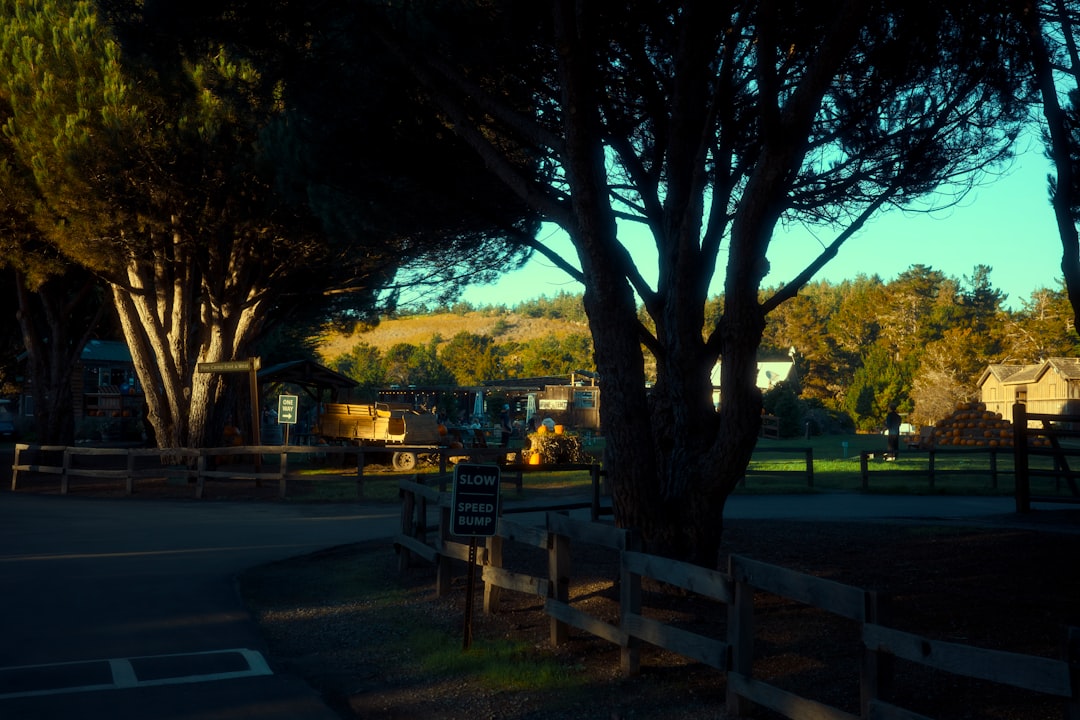


Setting up a farm stand on someone else's land is one of the fastest ways to get a selling location without buying property. A high-traffic corner lot, a friend's front yard on a busy road, or a vacant commercial lot can become a profitable farm stand location with the right agreement in place. The catch: most vendors skip the lease or permission step entirely and operate on a handshake, which works until it does not — the landowner changes their mind, liability questions come up, or a neighbor complains.
This guide covers how to find land, what kind of agreement you need, what to include in the lease, and how to protect yourself and the landowner.
The short version: You need written permission from the landowner — ideally a simple lease agreement — even if the landowner is a friend or family member. The agreement should cover the basics: duration, rent (even if it is $0), insurance requirements, who is responsible for what, and how either party can end the arrangement. Most farm stand land agreements are 1 to 2 pages and do not require a lawyer. The biggest mistake is operating without any written agreement at all, because when problems come up, a verbal understanding protects nobody.
The best farm stand locations have three things: visibility from the road, easy parking, and enough space for your display. Not every piece of available land meets all three criteria, but you can usually find something workable within a 15-minute drive.
Places to look:
When you find a promising location, drive by at different times of day to count traffic. A location that looks quiet at 10 AM might have heavy traffic at 4 PM (when you want to be selling). Check sight lines from the road — can drivers see a farm stand from 200 feet away at driving speed?
For the full checklist of what you need before opening any farm stand, see our farm stand startup checklist.
You need written permission from the landowner. Whether that is a formal lease or a simple written agreement depends on the complexity of the arrangement.
Three levels of formality:
A signed letter from the landowner stating that you have permission to operate a farm stand on their property. This works for:
The letter should include: your name, the landowner's name, the property address, the dates of permission, a description of what you will do, and both signatures.
A 1 to 2 page lease covering the essential terms. This is the right choice for most farm stand arrangements and covers:
A full commercial lease reviewed by a lawyer. Only necessary if:
Most farm stand vendors operate at Level 2 — a simple lease that protects both parties without lawyer fees.
Here are the essential terms for a farm stand land lease. You do not need legal language — plain English works fine.
Specify start and end dates. Most farm stand leases are seasonal (April through October) or annual with automatic renewal. Include a clause that allows either party to terminate with 30 days written notice.
Example: "This agreement begins April 1, 2026 and ends October 31, 2026. It will automatically renew for another season unless either party provides 30 days written notice of termination."
Specify the amount, due date, and payment method. Common farm stand rent structures:
Even if rent is $0, put the arrangement in writing. "No rent" is a term, and it belongs in the agreement.
Describe exactly what you will do on the property. This protects both parties from misunderstandings.
Example: "Tenant will operate a seasonal farm stand selling fresh produce, baked goods, and preserved foods. The stand will consist of [description — folding tables, a canopy tent, a portable display shelf, a cooler]. No permanent structures will be built. The stand will operate [days and hours]."
Most landowners should require you to carry general liability insurance ($1 million per occurrence) and list them as additional insured. This protects the landowner if someone gets hurt at your farm stand — your insurance covers the claim, not theirs.
If you already have farm stand insurance, this is straightforward — contact your provider and add the landowner as additional insured. If you do not have insurance yet, see our guide to farm stand insurance.
Specify who is responsible for:
The standard expectation: you leave the property in the same condition you found it. Many leases include a clause requiring the vendor to remove all equipment and materials at the end of the lease and restore the site.
Clarify what signage you can put up, where, and how large. Some landowners are fine with a large road sign; others want minimal visual impact. Check local sign ordinances before promising anything — some municipalities restrict signs on private property, especially near roads.
The lease should include a basic statement that you are responsible for your business activities and will not hold the landowner liable for injuries or losses related to your farm stand operation. In return, the landowner should not be liable for issues outside their control (weather, theft, etc.).
A simple version: "Tenant agrees to hold Landowner harmless from any claims, damages, or liabilities arising from Tenant's farm stand operation on the property."
Both parties should be able to end the agreement with reasonable notice. Standard: 30 days written notice for either party. Include what happens when the lease ends — you remove all equipment and materials within a specified time (usually 7 to 14 days).
Before signing any lease, check two things:
Not all land is zoned for commercial activity. A residential lot may not allow a commercial farm stand without a variance or special use permit. Contact your local zoning office and ask:
Agricultural land is usually the easiest — most agricultural zones allow direct farm sales. Residential zones are more restrictive. Commercial zones are usually fine but may require a business license. For the full breakdown of what permits you need, see our guide to farm stand business licenses.
If you sell food products (not just raw produce), your local health department may require a food vendor permit, food handler certification, or a temporary food establishment permit. Contact them and describe your planned operation — they will tell you what is required.
For the health department angle, see our guide to farm stand health department permits.
Farm stand rent is almost always negotiable because most landowners have no benchmark for what a farm stand lease should cost. You have more leverage than you think, especially if the land is currently unused.
Negotiation strategies:
The one thing you should not do: agree to a long-term lease before you know whether the location works. A 3-month trial is better than a 12-month commitment on an unproven location.
The written agreement is the primary protection, but there are a few additional steps that reduce risk for both parties.
Take photos of the property before you set up. Document the condition of the land, parking area, and any existing structures. If there is a dispute about property damage at the end of the lease, you have a baseline.
Get insurance before you start. General liability insurance protects you from injury claims and protects the landowner through the additional insured endorsement.
Keep a copy of all permits. If a code enforcement officer or neighbor questions your operation, you want permits, the lease, and your insurance COI available immediately.
Communicate proactively with the landowner. If plans change — different hours, additional products, a bigger display — tell the landowner before you make changes. Surprises damage the relationship.
Pay rent on time, every time. The fastest way to lose a good location is to be late on rent. Set up automatic payments or calendar reminders.
The vendors who keep farm stand land for years are the ones who treat the relationship as a partnership, not a transaction. The best locations often come from landowners recommending you to other property owners. One clean way to show a landowner that the stand is worth hosting: share your actual sales data so they can see the traffic and revenue the stand generates. An ordering platform that tracks every order makes it easy to show the landowner a monthly summary without revealing your full financials.
The selling side of your farm stand matters too. You have the location, the lease, the products — but if customers only buy when they happen to drive by, you are leaving money on the table. Instagram DMs work for a handful of regulars, but confirming products, quantities, and pickup times in 4 to 6 messages per order gets old fast. Etsy charges 6.5% plus listing fees and is designed for shipping, not a $25 produce box with farm stand pickup.
Homegrown costs $10/month with no percentage fees and lets you list your full product lineup on one ordering page with a cutoff time so you know what to stock before you set up. Customers pre-order and pay through your link — you arrive at the stand with confirmed orders ready for pickup. Homegrown does not help you find land, negotiate leases, or navigate zoning — this guide covers those. What it does is turn drive-by traffic into repeat pre-orders so your farm stand revenue is predictable, not weather-dependent.
Selling at markets or a farm stand? Let customers order ahead online. The easiest way to take local orders and get paid is an online storefront — see the best platform to sell food from home, or set up a Homegrown storefront in about 15 minutes ($10/mo, 0% commission).
For most farm stand arrangements, no. A simple 1 to 2 page agreement covering duration, rent, insurance, permitted use, and termination is sufficient. Free lease templates are available online and can be adapted. Only hire a lawyer if you are building permanent structures, the rent is substantial, or the arrangement involves complex terms.
Yes, if the homeowner gives permission and local zoning allows it. Some municipalities restrict commercial activity in residential zones, so check with your local zoning office first. The homeowner should also check with their HOA (if they have one) — many HOAs restrict commercial use of front yards.
If you have a written lease with a termination clause, both parties must follow the notice period (typically 30 days). If you only have a verbal agreement, you have no legal protection and may need to vacate immediately. This is the primary reason to always get a written agreement.
Typical farm stand rent ranges from $50 to $300 per month, depending on location, traffic, and the landowner's expectations. High-traffic commercial corners command more. Vacant residential lots in low-traffic areas may be free or nearly free. A revenue share of 5 to 15 percent of gross sales is an alternative to fixed rent.
Only with the landowner's written permission and any required building permits from your municipality. Most farm stand leases on rented land use temporary structures (tents, tables, portable displays) that can be removed easily. Permanent structures complicate the lease and may require additional insurance and permits.
Your general liability insurance covers injury claims. If the landowner is listed as additional insured on your policy, they are also protected. Without insurance, both you and the landowner could be personally liable — which is why most landowners should require proof of insurance before allowing a farm stand on their property.
The lease is not the exciting part of opening a farm stand, but it is the part that prevents the exciting part from falling apart. A 30-minute conversation and a 1-page agreement protect a relationship that could last years. Every farm stand vendor who has lost a good location over a misunderstanding will tell you the same thing: put it in writing first. An ordering page handles the selling side — pre-orders, payments, customer communication — so you can focus on finding and securing the right location. The SBA's guide to choosing a business location covers the broader considerations for any small business location decision, and your USDA local food directory can help you research what other direct-to-consumer operations exist near potential locations.



