
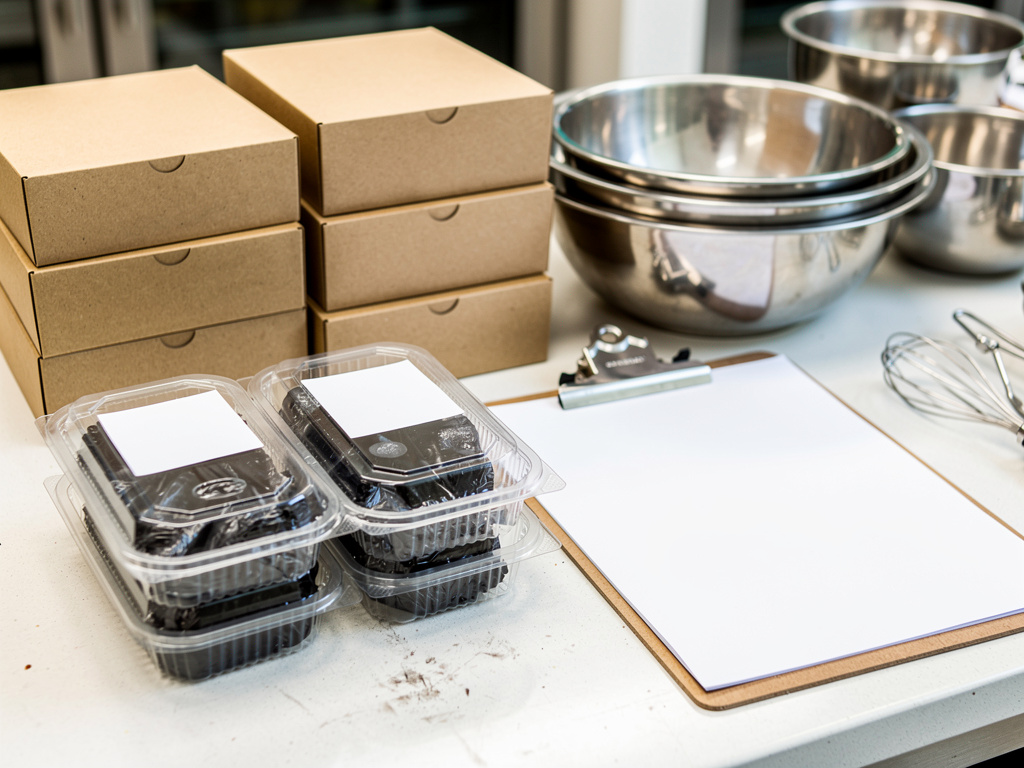


You spent hours making a large order, a big cake, a catering box, a bulk batch, and the customer who prepaid it simply didn't show up for pickup. Now you're left with a pile of perishable product, a customer who's gone quiet, and a decision about what to do. It's frustrating and a little stressful, but it's a manageable situation, and how you handle it protects both your business and your reputation. This guide walks through exactly what to do when a customer no-shows for a large prepaid pickup order: the immediate steps, how to handle the product and the money, how to communicate, and how to prevent it from happening again.
The short version: When a customer no-shows for a large prepaid pickup, first reach out promptly to find out what happened, since it's often a simple mix-up, and try to reschedule the pickup. Because it was prepaid, you're generally not out the money, which removes much of the pressure and gives you room to be reasonable. Handle the perishable product sensibly (hold it briefly if you can safely, and if they don't come, decide whether to donate, use, or discard it). Communicate professionally and give the customer a fair chance to collect what they paid for. Then prevent future no-shows with reminders, clear pickup windows, and good communication. Handle it calmly and professionally, prepaid means you're protected, so focus on resolving it well.
This guide covers the immediate steps, handling the product and money, communicating professionally, and preventing repeat no-shows.
Immediately, reach out to the customer promptly to find out what happened and try to arrange pickup, because a no-show is often a simple mistake (a forgotten time, an emergency) that a quick, friendly message resolves. Contact first, assume the best.
Immediate steps to take:
Why prompt, friendly contact works:
The right immediate move is to reach out promptly and warmly, because a no-show is usually an innocent mistake, a forgotten time, a mix-up, a genuine emergency, that a quick, friendly message resolves. Contact the customer right away with an understanding tone ("Hi, we had your order ready for pickup today, wanted to check in and see if we can arrange another time!"), since the sooner you connect, the more options you have, especially with perishable product on a clock. Assume the best rather than jumping to frustration or accusation, both because it's usually warranted and because it preserves a good customer and your reputation. Try to reschedule the pickup so they can still collect what they paid for. Handling this calmly and professionally is part of good customer management, which the U.S. Small Business Administration's guidance on managing your business supports.
You handle the product by holding it briefly if you safely can and deciding what to do if it's not collected, and the money is largely settled because it was prepaid, which protects you and removes much of the pressure. Prepaid changes everything.
Handling the money (the good news):
Handling the perishable product:
The prepaid nature of the order is the key fact that makes this situation manageable: you've already been paid for your work and ingredients, so you're not out the money, which removes the biggest sting and lets you handle everything else calmly and reasonably. Since they paid for the product, give them a fair chance to collect it by rescheduling, rather than treating the prepayment as a windfall. For the perishable product itself, hold it safely if you can while you try to reach them, be realistic about its shelf life, and if they don't collect it in time, decide sensibly whether to donate (where safe and appropriate), use, or discard it, never compromising food safety. Whether any refund applies if they never collect is a matter of your policy; for made-to-order perishables, a fair no-refund-for-no-show policy is common and reasonable.
You communicate professionally by being warm, understanding, and fair throughout, giving the customer a reasonable chance to resolve it while protecting your business and reputation. Professionalism turns a frustrating situation into a relationship-preserving one.
How to communicate well:
Why professional communication matters:
Throughout the situation, communicate with warmth, fairness, and professionalism, because how you handle a problem shapes your reputation as much as how you handle a success, and word spreads in a local community. Lead with understanding (it's usually an innocent mistake), clearly explain the situation and offer the solution of rescheduling, and give the customer a fair, reasonable chance to collect what they paid for. Stay professional even though it's frustrating, since a kind, composed response protects your reputation and often preserves a good customer who becomes loyal precisely because you handled a hiccup gracefully. If it comes to explaining your policy (say, no refund for a no-show on a made-to-order perishable), do so calmly and clearly, without hostility. And keep a record of your communication and resolution, which is useful if any dispute arises. Good communication turns a frustrating no-show into a reputation-preserving, often relationship-strengthening, interaction.
You prevent future no-shows with clear pickup arrangements, reminders, good communication, and sensible policies, reducing the mix-ups and forgetfulness that cause most no-shows. Prevention beats cleanup.
Ways to prevent no-shows:
Why prevention works:
The best way to handle no-shows is to prevent most of them, and since the leading causes are forgetfulness and mix-ups about the pickup details, the fixes are straightforward. Send a clear reminder before the pickup time (with date, time, and location), which dramatically reduces forgotten pickups, and confirm the pickup details clearly at ordering and again in the reminder so there's no confusion. Set and communicate clear pickup windows, keep requiring prepayment for large orders (which protects you financially, as it did here), and have a clear, upfront no-show and pickup policy so expectations and consequences are known. Confirming large or custom orders a day or two ahead serves as both a reminder and a chance to catch any issue early. These simple prevention steps, especially reminders and prepayment, eliminate most no-shows and cushion you against the rest. Building reliable systems like these is part of running your business well, which the U.S. Small Business Administration's guidance on managing your business supports.
A storefront that handles prepayment, order details, and pickup coordination makes both preventing and handling no-shows easier. Homegrown is $10 a month with no percentage fees beyond standard payment processing, giving you a storefront, built for local food vendors, to manage prepaid orders and pickups cleanly.
How it compares to the alternatives:
What Homegrown does well: a storefront that takes prepayment (protecting you financially, as in this scenario), keeps clear order and pickup details, and supports local pickup and delivery, clean payment handling, and a fifteen-minute setup. Prepayment through a real storefront is exactly what removes the financial sting of a no-show, and clear order records make communication and resolution easier. When you're ready to manage prepaid orders and pickups cleanly, you can set up your storefront today.
The biggest mistakes are reacting with hostility instead of understanding, and compromising food safety with the leftover product. Because reputation and safety are at stake, the errors that matter most involve tone and food handling.
Mistakes to avoid:
Getting these right means responding with warmth and promptness, handling the product safely, honoring the prepayment fairly, and preventing future no-shows with reminders and clear policies.
Reach out to the customer promptly and warmly to find out what happened and try to arrange another pickup time. No-shows are usually innocent mistakes, a forgotten time, a mix-up, a genuine emergency, so lead with an understanding tone rather than frustration or accusation. The sooner you connect, the more options you have, especially with perishable product on a limited timeline. A friendly message like "Hi, we had your order ready today, want to check in and arrange another pickup time!" often resolves it quickly. Contacting promptly and assuming the best both increases your chances of a good resolution and preserves the customer relationship and your reputation.
Generally no, and that's the key fact that makes this situation manageable. Because the order was prepaid, you've already been paid for your work and ingredients, so you're not out the money, which removes the biggest financial sting and lets you handle everything else calmly. Since the customer paid for the product, give them a fair chance to collect it by rescheduling, rather than treating the prepayment as a windfall. Whether any refund applies if they never collect depends on your policy, for a made-to-order perishable product, a fair no-refund-for-no-show policy is common and reasonable, but decide and communicate your policy clearly and fairly.
Hold it safely if you can while you try to reach the customer and reschedule, but be realistic about its shelf life, perishable products have limited time. If the customer doesn't collect it before it's no longer good, decide sensibly what to do: options include donating it (where safe and appropriate), using it yourself, or discarding it if it's no longer safe or good. The critical rule is to never compromise food safety, don't hold or repurpose product beyond what's safe just to salvage it. Since you were prepaid, you're not losing money on the ingredients and work, which makes it easier to handle the product decision calmly and safely.
That depends on your policy, which you should decide and communicate clearly in advance. For a made-to-order perishable product, a no-refund-for-a-no-show policy is common and reasonable, since you made the product, incurred the costs, and held it for pickup, so there's a fair basis for not refunding a customer who simply didn't collect it. That said, give them a fair chance to collect what they paid for by rescheduling before treating it as forfeited, and use judgment for genuine emergencies. Whatever your policy, communicate it calmly and clearly, and having it stated upfront (at ordering) prevents disputes and sets clear expectations for both sides.
The leading causes are forgetfulness and mix-ups, so the fixes are straightforward: send a clear reminder before the pickup time (with date, time, and location), which dramatically reduces forgotten pickups; confirm the pickup details clearly at ordering and in the reminder; set and communicate clear pickup windows; keep requiring prepayment for large orders (your financial protection); and have a clear, upfront no-show and pickup policy so expectations and consequences are known. Confirming large or custom orders a day or two ahead is also a great reminder and a chance to catch issues early. These simple steps, especially reminders and prepayment, eliminate most no-shows and cushion you against the rest.
Remember that how you handle problems shapes your reputation as much as your successes, and in a local community, word spreads, so a gracious response protects your business. Lead with the assumption that it's an innocent mistake (it usually is), which naturally keeps your tone warm. Focus on the solution (rescheduling) rather than the frustration, and remember that because you were prepaid, you're not actually out money, which removes much of the sting and makes it easier to stay calm. Take a moment before responding if you need to. A composed, kind, fair response often turns a frustrating no-show into a loyal customer who appreciated how gracefully you handled the hiccup.
A customer no-show on a large prepaid pickup is frustrating but manageable: reach out promptly and warmly to reschedule, handle the perishable product safely, and remember that prepaid means you're financially protected, which lets you resolve it calmly and fairly. Then prevent future no-shows with reminders, clear pickup windows, and prepayment. And to manage prepaid orders and pickups cleanly, so no-shows don't cost you, set up a Homegrown storefront built for local food vendors.



