
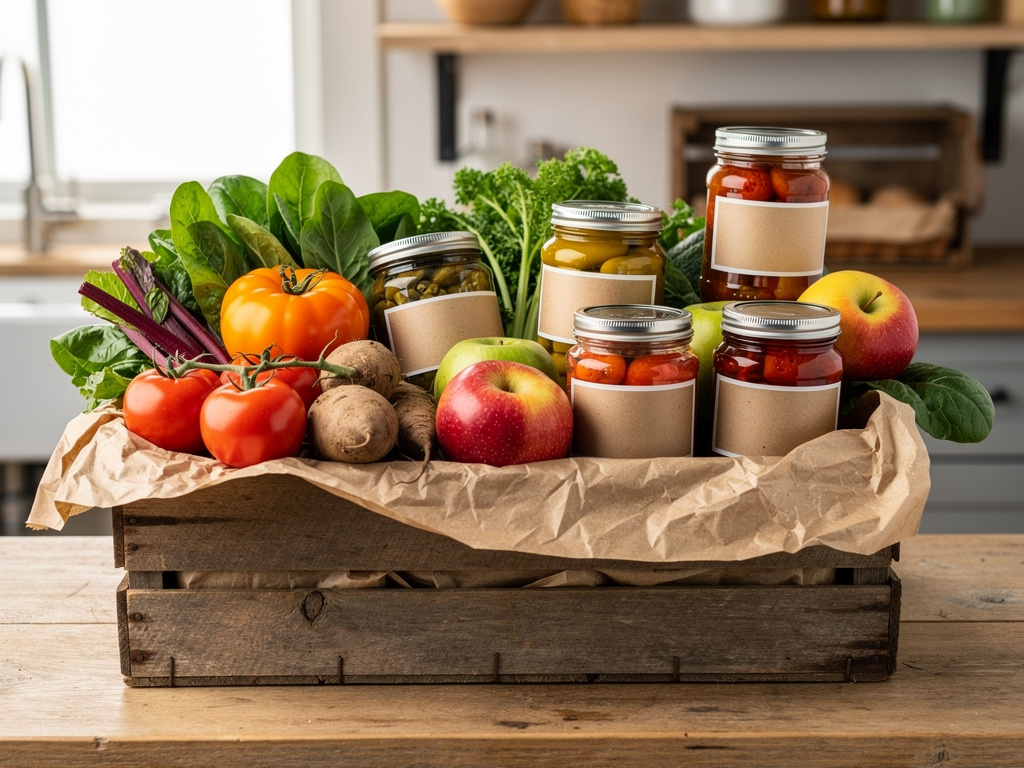


Getting your product in front of a chef's palate is the fastest way to win a wholesale account, because once they taste something great, the sale often makes itself. But chefs are busy, guarded with their time, and pitched constantly, so getting one to actually accept a tasting sample takes more than showing up with a box. You need to approach the right way, respect their time, and make saying yes easy and low-risk. This guide explains how to get a chef to agree to a tasting, how to approach them professionally, what to bring, and how to turn that tasting into an ongoing account, so your food gets the chance to sell itself.
The short version: To get a chef to say yes to a tasting, approach them professionally and respectfully, at the right time (not during a rush), with a clear, brief pitch about why your product fits their menu. Make it easy and low-risk: offer a no-obligation tasting, bring your product at its best, come prepared with your wholesale info, and respect their time. Do your homework so your pitch is relevant to their specific restaurant. Then let your product make its case, and follow up professionally to convert the tasting into an account. The goal is to get past the busy-chef barrier and let your food do the selling.
This guide covers how to approach chefs, how to pitch a tasting, what to bring, and how to convert it.
A tasting is powerful because it lets your product make its own case directly, once a chef tastes something excellent that fits their menu, the quality speaks louder than any pitch. Taste closes deals that words can't.
Why tastings work:
What a tasting overcomes:
A tasting is the single most powerful tool for winning a restaurant account because it lets your product do the selling. Chefs are experts in taste and quality, and pitched constantly with words, so a great-tasting product that fits their menu cuts through all of that and makes the case directly. A tasting removes the skepticism about an unknown supplier and the imagination gap, the chef doesn't have to trust your description or picture your product; they experience its quality firsthand. That's why getting the tasting is often the whole game: if your food is genuinely excellent and fits their needs, the tasting does most of the persuading. Building these supplier relationships is part of growing, which the U.S. Small Business Administration's guidance on growing your business supports.
You approach a chef professionally and respectfully, at an appropriate time (not during a busy service), with a brief, relevant pitch, showing you respect their time and understand their restaurant. Respect and timing open the door.
How to approach a chef:
Ways to make contact:
The right approach to a chef combines respect for their time, professionalism, and relevance. Timing is crucial, approaching during a busy service is a fast no, while catching them at a slower moment (or asking when's good) shows you understand their world. Do your homework so your pitch speaks to their specific restaurant and menu, not a generic spiel, which signals you're serious and thoughtful. Keep it brief and lead with why your product fits their needs, then make saying yes easy by offering a no-obligation tasting on their terms. Chefs deal with countless suppliers; the one who approaches respectfully, relevantly, and low-pressure stands out.
You pitch the tasting by keeping it brief and low-pressure, explaining why your product fits their restaurant, and offering a no-obligation taste at their convenience. Make it easy, relevant, and risk-free.
How to pitch the tasting:
What makes a tasting pitch land:
The tasting pitch should be short, relevant, and low-risk. Rather than a long sell, briefly explain who you are, what you make, and specifically why it fits their restaurant, then offer a no-obligation tasting at their convenience. Framing it around their menu and needs (not just your enthusiasm) shows you've thought about them, and emphasizing no obligation removes the pressure that makes busy people say no. Let them choose a convenient time and easy way to taste. Throughout, be genuinely confident in your product's quality without being pushy, chefs can tell the difference, and quiet confidence in something excellent is far more persuasive than a hard sell. The whole pitch is really just: "here's why this fits you, would you like to taste it, no pressure?"
You should bring your product at its absolute best, presented well, along with your wholesale price sheet and info, and you convert the tasting by letting the product impress, being professional, and following up. Preparation plus follow-through wins the account.
What to bring to a tasting:
How to convert the tasting into an account:
Bringing your product at its absolute best is non-negotiable, this taste shapes the chef's entire impression, so it must be fresh, peak-quality, and well-presented. Come prepared with your wholesale price sheet and info so an interested chef can act immediately, and show up professional and punctual, since you're auditioning as a reliable supplier. When they taste, let the quality do its work rather than overselling. Then convert with clear next steps and a prompt, courteous follow-up (professional, not pestering), which keeps momentum and signals reliability. Finally, if they order, deliver flawlessly on that first order, because dependability is what turns a single tasting into an ongoing account. Managing these steps well is part of running your business, which the U.S. Small Business Administration's guidance on managing your business addresses.
While you pursue chef accounts, a direct storefront keeps your retail sales flowing at full margin alongside your wholesale efforts. Homegrown is $10 a month with no percentage fees beyond standard payment processing, giving you a full-margin direct channel to complement the wholesale accounts you win.
How it compares to the alternatives:
What Homegrown does well: a direct-to-customer storefront where you keep the full retail margin (beyond standard processing), clean payment handling, and a fifteen-minute setup, a strong retail channel to run alongside your restaurant accounts. Many food businesses combine both: full-margin retail plus wholesale volume. When you're ready to keep your direct sales flowing, you can set up your storefront today.
The biggest mistakes are approaching at the wrong time and bringing a product that isn't at its best. Because timing and the tasting itself are everything, the errors that matter most involve respect for the chef's time and product quality.
Mistakes to avoid:
Getting these right means approaching respectfully at the right time, bringing your best product, pitching relevantly, and following through professionally to convert the tasting.
Approach them professionally and respectfully at an appropriate time (never during a busy service, aim for slower moments or ask when's good), with a brief, relevant pitch about why your product fits their specific restaurant and menu. Make it easy and low-risk by offering a no-obligation tasting at their convenience. Do your homework first so your approach is relevant, not generic, which signals you're serious and thoughtful. Chefs are pitched constantly, so the one who approaches respectfully, relevantly, and low-pressure, making saying yes easy, stands out and gets the tasting.
Approach a chef during slower periods, not during a rush or busy service, when they're slammed and any pitch is a fast no. Mid-afternoon, between lunch and dinner service, is often a good window, or simply ask when a convenient time would be, which itself signals respect for their schedule. Timing is one of the most important factors: catching a chef at a calm moment gives your pitch a real chance, while interrupting during service almost guarantees a no. Respecting their time this way is also part of demonstrating you'd be a considerate, professional supplier.
Bring your product at its absolute best, fresh, at peak quality, and attractively presented, since this taste shapes the chef's entire impression of your food and reliability. Bring enough to taste properly but not to feed the whole kitchen. Also bring your wholesale price sheet and business information so an interested chef can see your pricing and terms and follow up immediately. And bring professionalism: show up on time, prepared, and courteous, because you're demonstrating the dependability they need in a supplier. Everything you bring, and how you present it, is part of the audition.
Keep the pitch brief, relevant, and low-pressure: explain concisely who you are, what you make, and specifically why it fits their restaurant, then offer a no-obligation tasting at their convenience. Frame it around their menu and needs, emphasize there's no commitment, and let them choose a convenient time. Be genuinely confident in your product's quality without pressuring, chefs can tell the difference, and quiet confidence in excellent food is far more persuasive than a hard sell. The pitch is essentially: "here's why this fits you, would you like to taste it, no pressure?" That's it.
Once they taste your quality, let the product make its case rather than overselling, and be ready to answer questions about your capacity, pricing, lead times, and reliability. Provide clear next steps with your price sheet and a simple ordering process, then follow up promptly and professionally (once, without pestering) to keep momentum. Most importantly, if they place a first order, deliver it flawlessly and exactly as promised, because dependability on that first order is what converts a single tasting into an ongoing account. Great food gets you in; reliable delivery keeps you there.
A no isn't necessarily permanent, it may be about timing, current suppliers, or menu fit rather than your product. Accept it graciously and professionally, thank them for their time, and, if appropriate, ask whether you might check back later or if there's anything that would make your product a better fit. Staying professional and pleasant leaves the door open for the future, since restaurant needs and suppliers change. Meanwhile, focus your energy on chefs and restaurants where your product is a strong fit, and keep your other sales channels (like direct retail) growing so you're never dependent on any single account.
A tasting lets your food sell itself, which is why getting a chef to say yes is often the whole game, approach respectfully at the right time, pitch briefly and relevantly, offer a no-obligation taste, bring your product at its best, and follow through professionally to convert. Great food plus reliable delivery wins ongoing accounts. And to keep your full-margin retail sales flowing alongside your restaurant accounts, set up a Homegrown storefront today.



