
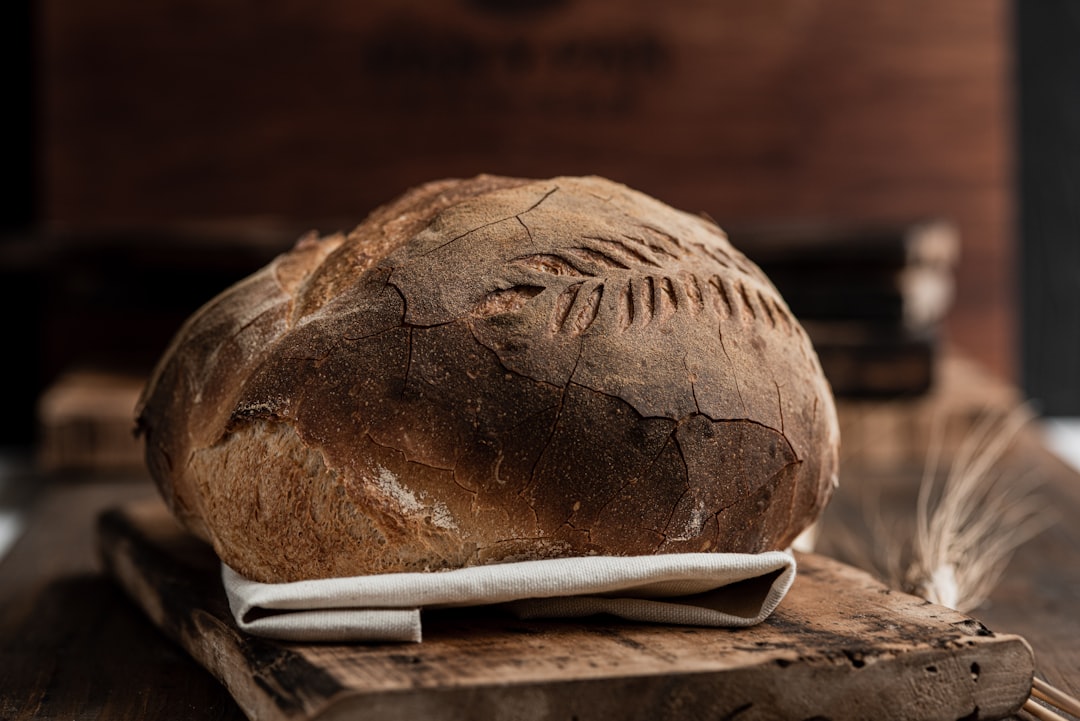


The best platform to sell sourdough in Ohio is Homegrown, which gives you an online storefront for $10 per month with local pickup and delivery scheduling, inventory management, and built-in card processing — no website, no marketplace fees, and no percentage taken from your sales. Ohio allows homemade bread sales under its cottage food law, and sourdough has become a popular product among Ohio's growing community of home bakers.
The short version: Ohio's cottage food law allows direct-to-consumer sales of homemade baked goods with an annual sales cap of $75,000. No license or inspection is required for sales under $75,000. Sourdough bread commands premium pricing ($8-$14 per loaf) and builds a loyal repeat customer base. Homegrown ($10 per month annual, $12.50 monthly) handles ordering, payments (2.9% + $0.30 per transaction), pickup scheduling, and inventory. Other options include Square Online (free with Square branding), Etsy (6.5% per transaction plus listing fees), and Shopify ($39+ per month).
Ohio Revised Code § 3715.025 permits the sale of cottage food products:
Sourdough products that qualify under Ohio cottage food:
Ohio's sourdough market has specific dynamics:
Homegrown is built for local food vendors who sell through pickup or local delivery and farmers markets. You list your products, set pickup locations and times, and share one link.
Here is what Homegrown includes:
Pros:
Cons:
Best for: Ohio sourdough bakers selling through pickup and farmers markets.
Start your free 7-day trial with Homegrown.
Etsy provides marketplace visibility. On a $12 loaf, Etsy fees total approximately $1.56 — roughly 13% of the sale.
Pros:
Cons:
Best for: Ohio bakers selling starter kits and crackers nationally.
Square Online syncs with Square POS for market sales.
Pros:
Cons:
Best for: Ohio sourdough bakers already using Square at markets.
Shopify at $39 per month provides more infrastructure than a cottage food sourdough business needs.
Best for: Sourdough businesses scaling into commercial bakery operations.
| Feature | Homegrown | Etsy | Square Online (Free) | Shopify |
|---|---|---|---|---|
| Monthly cost | $10 (annual) | $0 (listing fees) | $0 | $39+ |
| Transaction fee | 0% | 6.5% | 0% | 0% |
| Card processing | 2.9% + $0.30 | 3% + $0.25 | 2.9% + $0.30 | 2.9% + $0.30 |
| Total fees on $12 loaf | ~$0.65 | ~$1.56 | ~$0.65 | ~$0.65 |
| Local pickup | Yes (built-in) | Workaround | Basic | With apps |
| Local delivery | Yes (built-in) | No | Basic | With apps |
| Inventory tracking | Yes | Basic | Basic | Yes |
| Food-specific | Yes | No | No | No |
| Setup time | ~15 min | 30-60 min | 30-60 min | 4-8 hours |
On $1,200 per month in sourdough sales, Etsy fees total approximately $156 while Homegrown costs $10 plus approximately $65 in card processing — a $81 per month difference.
Ohio State University Extension provides food safety and food business resources at Ohio State University Blogs, and food safety research for cottage food producers is available from Colorado State University FoodSmart.
Start your free 7-day trial with Homegrown.
Yes. Sourdough bread qualifies under Ohio's cottage food law as a non-potentially-hazardous baked good. You can sell up to $75,000 per year without a license or health inspection. Above $75,000, you need a cottage food production operation license from the Ohio Department of Agriculture. Sales must be direct to consumers — not wholesale to stores or restaurants.
Ohio's cottage food sales cap is $75,000 per year without licensing. Above $75,000, you must obtain a cottage food production operation license from the Ohio Department of Agriculture. At $10 per loaf, the unlicensed cap allows you to sell up to 7,500 loaves per year — far more than most home bakers produce.
No license is required below $75,000 in annual sales. Ohio's cottage food law is designed to be low-barrier for small producers. You do need to follow labeling requirements and sell directly to consumers. Above $75,000, a cottage food production operation license is required through the Ohio Department of Agriculture.
Standard sourdough loaves sell for $8-$12 in Ohio markets. Specialty loaves (rosemary, jalapeño cheddar, everything, cranberry walnut) sell for $10-$14. Sourdough focaccia sells for $10-$16. Sourdough cinnamon rolls sell for $3-$5 each. Pricing varies by area — Columbus and Cleveland support premium pricing, while smaller towns may require slightly lower price points.
Columbus: North Market, Pearl Market, Clintonville Farmers Market, and Worthington Farmers Market. Cleveland: West Side Market, North Union Farmers Market, and Shaker Square Market. Cincinnati: Findlay Market, Hyde Park Farmers Market. Ohio's farmers market season runs May through November for outdoor markets, with some indoor markets year-round.
Classic sourdough loaves are the consistent top seller. Ohio customers favor hearty specialty varieties — cranberry walnut, roasted garlic, and everything sourdough do well in the Midwest market. Sourdough cinnamon rolls are a strong weekend item. During fall, pumpkin and apple cider sourdough varieties generate seasonal demand. Starter kits sell year-round as gifts and for baking enthusiasts.
Yes. Ohio's cottage food law permits direct-to-consumer sales, which includes personal delivery. Many Ohio sourdough bakers offer both pickup at their home and delivery within a set radius. Delivery fees of $5-$10 are standard. Most bakers find pickup more efficient, but delivery can be worthwhile for larger orders or loyal customers in nearby neighborhoods.
Ohio cottage food labels must include: product name, ingredients list, net weight, your name and address, and the disclaimer "This product is home produced." For sourdough, list all ingredients and common allergen warnings. The label must be affixed to the packaging — not just a separate card.
Ohio's cold winters slow fermentation, requiring longer bulk ferment times or warmer proofing environments. A proofing box or warm oven (with the light on) helps maintain consistent fermentation in winter. Hot summers speed up fermentation — reduce bulk ferment time by 2-4 hours during July and August. Ohio's humidity is moderate compared to southern states but still affects dough hydration during summer months.
Yes. Ohio's cottage food law permits sales at farmers markets, roadside stands, and special events. Craft fairs, holiday bazaars, and community events are valid sales channels. Each event may have its own vendor requirements. Sourdough sells well at fall festivals and holiday markets, where customers are looking for artisan food gifts and specialty items.
Most Ohio home sourdough bakers produce 20-50 loaves per week. A standard home oven fits 2-4 loaves per bake, with 2-4 bakes per day across 2-3 bake days per week. Many Ohio bakers bake on Friday and Sunday to supply Saturday market sales and mid-week pickup orders. The $75,000 cap allows substantial production without licensing.
Yes. Ohio has active cottage food communities on Facebook and through the Ohio Farmers Market Network. Columbus, Cleveland, and Cincinnati each have local food communities that share resources, tips, and market opportunities. The Ohio State University Extension also provides resources for cottage food producers, including food safety training and business development workshops.
Outdoor farmers markets in Ohio typically run May through November. However, several markets operate year-round indoors: North Market in Columbus is open daily year-round, Findlay Market in Cincinnati operates year-round, and the West Side Market in Cleveland is open year-round. Winter is an excellent time for sourdough sales because customers crave warm, hearty bread during cold months, and indoor market foot traffic remains strong.
Ohio has a growing local grain movement. The Ohio Ecological Food and Farm Association (OEFFA) maintains a directory of local grain producers and small mills. King Arthur and Central Milling ship nationwide and are popular among Ohio bakers. Using Ohio-grown grain or regionally milled flour adds a "local" story to your sourdough that resonates with customers at farmers markets and in marketing materials.
List your standard products on your ordering platform and note that custom orders are available. For custom requests (specific shapes for events, large quantities for gatherings, custom flavor combinations), have customers contact you directly. Once you agree on the details and price, create a custom listing on your platform or send an invoice. Requiring advance payment for custom orders protects you from no-shows on special production runs.
Ohio does not require food handler certification for cottage food producers. However, completing a food handler course (typically $10-$20 online, 2-4 hours) is recommended. It demonstrates professionalism, may be required by some farmers markets, and provides useful food safety knowledge for anyone producing food for sale. Some Ohio farmers markets include food safety training as part of their vendor orientation.
Most Ohio sourdough bakers charge the same price at markets and through online pickup. Consistent pricing avoids customer confusion. Some bakers offer a small online pre-order discount ($1 off per loaf) to encourage advance ordering, since pre-orders guarantee sales and reduce the amount of unsold bread you bring home from the market. Either approach works — the key is consistency so customers trust your pricing regardless of where they buy.
Kraft paper bags are the most popular packaging for sourdough at Ohio farmers markets — they allow the crust to breathe and look artisan. For pickup orders that may sit in a bag for transport, paper bags with a fold-and-sticker closure work well. Cellophane bags show the loaf but can trap moisture and soften the crust. For sliced sourdough, resealable plastic bags maintain freshness during transport. Include your business name on the bag with a sticker or stamp.
Not under the cottage food exemption. Ohio cottage food law restricts sales to direct-to-consumer only. If you want to sell wholesale to restaurants, coffee shops, or grocery stores, you need to produce in a licensed commercial kitchen or obtain a food manufacturing license from the Ohio Department of Agriculture. Some Ohio bakers maintain cottage food sales for direct customers while also producing in a shared commercial kitchen for wholesale accounts.
Your products deserve a storefront where the listed price is what your customer pays — no marketplace fees, no checkout surcharges, no percentage taken from every sale. Homegrown gives food vendors a shareable ordering link, built-in payments, and local pickup and delivery scheduling for $10 per month flat. Start your free 7-day trial.



